

The decision over what will unfold in the Middle East in the coming period still rests, as of Thursday, with one man: US President Donald Trump. Amid renewed negotiations with Iran, Trump has moved what he called a “beautiful armada” to the region, later adding another aircraft carrier and dozens, if not hundreds, of aircraft.
Poland on Thursday urged its citizens to leave Iran immediately. Prime Minister Donald Tusk warned that those who fail to do so could find themselves unable to depart within hours. Trump, however, has yet to decide.
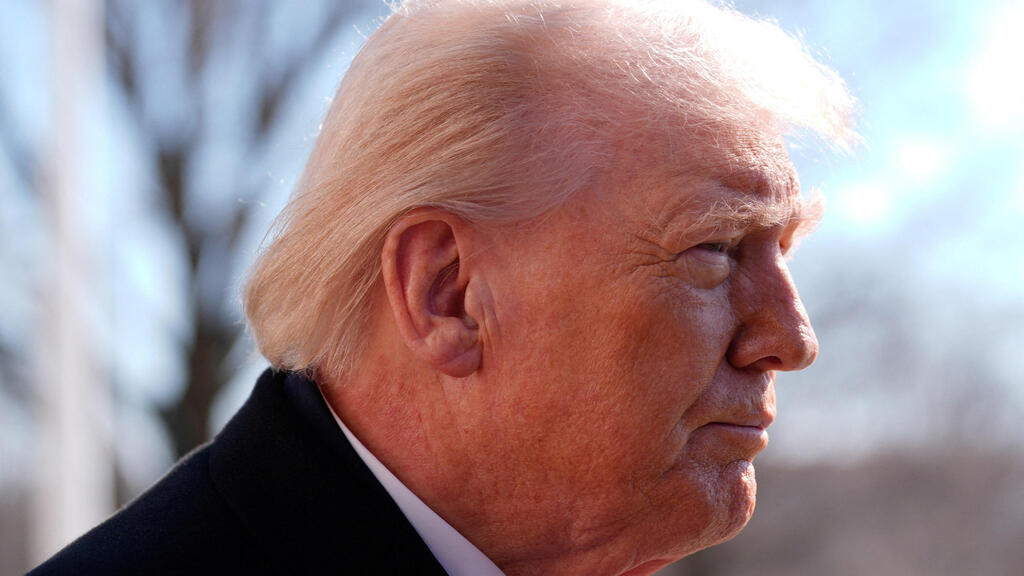
US President Donald Trump
(Photo: REUTERS/Kent Nishimura)
Senior administration officials spent the previous night in the White House Situation Room discussing developments in Iran and the possibility of a strike. Trump himself was not present, but was briefed on the talks with Iran by his advisers and envoys to the negotiations, Steve Witkoff and Jared Kushner. U.S. media reported overnight that the American military could complete preparations for a potential strike as early as this weekend, though it remains unclear whether Trump will make a decision by then.
“He’s spending a lot of time thinking about this,” one source told CNN. Talks held in Geneva appear to have brought Trump closer to a point of decision — and potentially toward military action. According to the CNN source, the president has been consulting privately with advisers and allies, asking for arguments both for and against a strike on Iran.
CNN also outlined factors that could influence Trump’s decision.
Arguments for action
At the top of the list, according to CNN, is legacy. Trump may see an opportunity to secure his place in history as the president who ended the confrontation with Iran, or at least forced Tehran to accept American terms if a military move succeeds.
Another consideration is what some view as Iran’s current weakness. Its regional proxies, led by Hezbollah, are seen as significantly diminished, Iran’s economy is under strain and segments of the population have taken to the streets in protest against the regime.
A third factor cited is Trump’s confidence in military action following what supporters describe as successes elsewhere. The transfer of Venezuelan President Nicolás Maduro to New York in handcuffs was seen by Trump allies as a victory. In addition, the 2020 U.S. strike that killed Iranian Gen. Qasem Soleimani did not trigger the broader regional war some had predicted.
Arguments against
Despite not facing another presidential campaign, Trump faces domestic political risks. CNN noted that most polls show a majority of Americans oppose a new war. Trump’s approval rating stands at 39%, and within his own Republican Party, there is a strong isolationist wing opposed to deploying American troops in foreign conflicts. Midterm elections are scheduled in about eight and a half months.
Another key concern is the “day after” scenario if the Iranian regime were to fall — a goal widely viewed as unrealistic if the United States relies primarily on air power. U.S. efforts in Iraq, Afghanistan and Libya failed to produce stable outcomes, though supporters argue Venezuela was different.
If the regime is not toppled, there is no guarantee it would accept U.S. demands, which reportedly include zero uranium enrichment, limits on ballistic missiles and an end to support for regional proxies. Should Iran’s leadership remain in power after an American or joint strike, it could portray survival as a victory and evidence of U.S. weakness.