


The Justice Ministry on Tuesday issued a public warning urging Israelis to refrain from pursuing surrogacy in Ukraine, citing concerns over the exploitation of women, reports of violence and even potential human trafficking. Ukraine is now the third country flagged in recent years—after northern Cyprus, Albania and Kenya—for similar concerns.
In Ukraine’s case, information gathered over the past several years paints a particularly troubling picture. Reports have emerged of severe violence against surrogate mothers and exploitation of especially vulnerable women—such as those well above the medically recommended age for surrogacy, those in extreme financial distress and others. There have also been documented cases of foreign women being brought to Ukraine solely to undergo surrogacy procedures.
“These women do not speak the language, have no legal status in the country, come from different cultural backgrounds, and often have no familial or social support,” the ministry noted. “They leave behind partners and young children for long periods and endure significant physical and emotional stress during pregnancy. This severely increases their vulnerability to exploitation and coercion.”
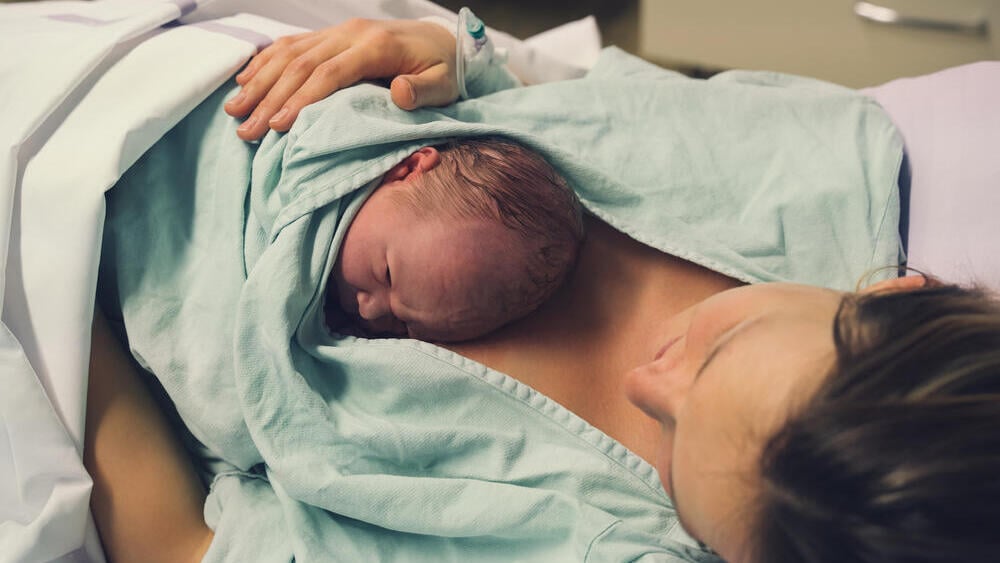
According to the ministry’s Anti-Trafficking Coordinating Unit, some surrogacy contracts include draconian terms that infringe on the basic rights of the women involved. These include gaps in legal protections, forced medical procedures without consent, emotional pressure, isolation and constant monitoring. In some cases, contracts were signed only after the surrogate had begun medical treatments or even after embryo transfer—raising concerns that consent may not have been given freely or that the women lacked a real opportunity to negotiate the terms while already pregnant.
Israeli authorities have also found indications of non-payment for services rendered and, in severe cases, suspected criminal offenses—including human trafficking. Amid wartime conditions, some surrogates were reportedly forced to live in overcrowded apartments without access to hot water or basic necessities.
The ongoing war in Ukraine has further complicated matters. Some contracts reportedly include restrictions on the surrogate’s ability to leave the country or even move within it, making it impossible for them to seek safety elsewhere. These restrictions pose serious risks to both the mother and child. In some cases, Israeli adoptive parents were unable to travel to Ukraine to retrieve their newborns after birth.
Israeli officials closely monitor surrogacy arrangements abroad and, when evidence arises suggesting coercion, lack of informed consent or potential exploitation, warnings are issued. In extreme cases—where significant and consistent red flags are identified—there may be grounds to suspect criminal activity, including human trafficking.
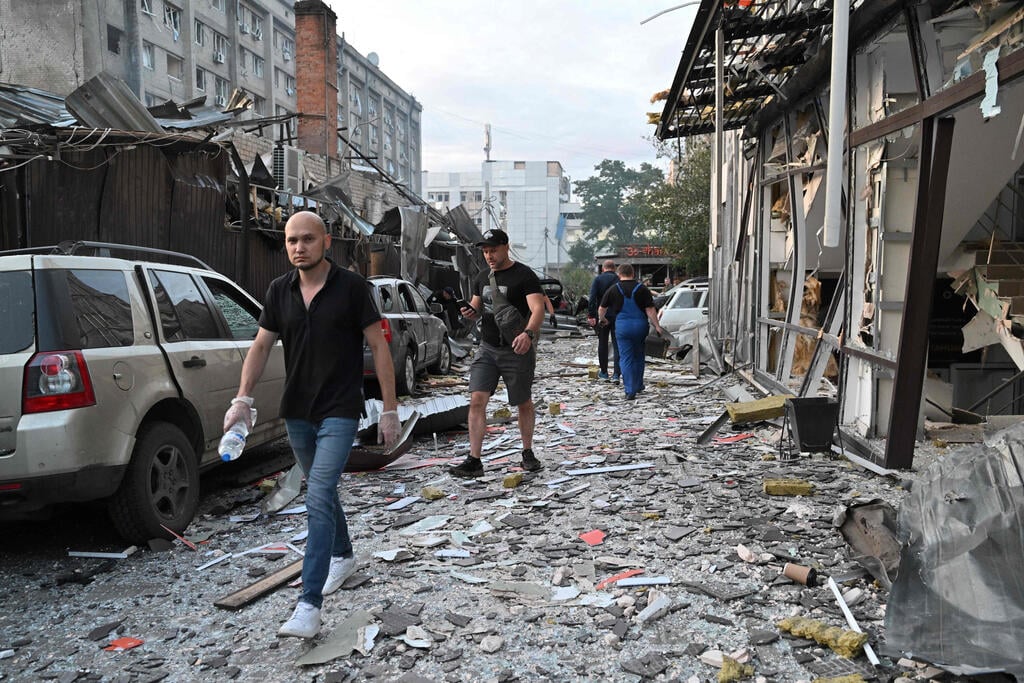
Destruction and rescue operations after missile attack Russia's bombing of a restaurant in the Ukrainian city of Kramatorsk
(Photo: AFP)
The findings cited by the ministry are based on a range of sources, including a 2023 report by the UN Special Rapporteur on Violence Against Women, Ukrainian government officials, and legal professionals in Israel. As a signatory to various international conventions, Israel is obligated to prevent human trafficking and exploitation, especially of women and minors, and to provide transparent and relevant information to the public.
The ministry said the purpose of this announcement is to protect all parties involved in international surrogacy—agencies, surrogates, intended parents and newborns—and to help avoid legal and logistical complications.
“In light of the above, the recommendation of the government’s Anti-Trafficking Coordinating Unit is to refrain from pursuing surrogacy procedures in Ukraine at this time,” the Justice Ministry stated. “We urge anyone considering international surrogacy to take this information into account, especially regarding the expected legal challenges ahead.”