


Israel’s Central Elections Committee begins two days of hearings Wednesday on a series of requests to bar parties and individual candidates from competing in the October 27 Knesset election, with a closely watched case against Balad chairman Sami Abu Shehadeh at the center of the proceedings.
Ten disqualification requests have been filed against parties and candidates across the political spectrum, including Ra’am, the Joint List, Otzma Yehudit, the Democrats and the Religious Zionist Party-Zehut slate, as well as individual candidates including Abu Shehadeh and Joint List lawmaker Ofer Cassif.
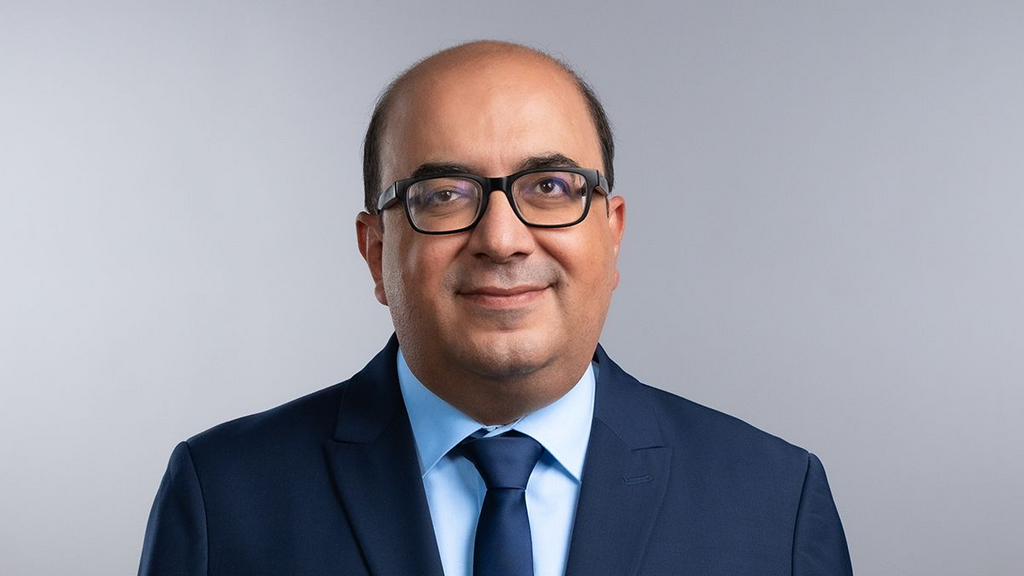
Wednesday’s hearings are due to include the petition against Cassif, followed by the request to disqualify Abu Shehadeh and challenges involving Ra’am, the Joint List and Balad. Petitions targeting Otzma Yehudit, the Democrats and the Religious Zionist Party-Zehut slate are scheduled to be heard Thursday.
The most prominent case is Otzma Yehudit’s request to disqualify Abu Shehadeh personally from running for the 26th Knesset.
The petition focuses in part on an article Abu Shehadeh published on October 8, 2023, one day after the Hamas-led attack on southern Israel. In the article, he described the events as an “important historical event from a military, political and strategic perspective” and referred to what he called the attack’s political consequences.
Otzma Yehudit argues that the statements constitute support for an armed struggle against Israel by a terrorist organization, one of the grounds for disqualification under Israeli law. Abu Shehadeh has rejected that interpretation, arguing in his response that he has consistently opposed harming civilians and that he did not yet know the full scale of what had happened when the article was published.
Attorney General Gali Baharav-Miara and State Attorney Amit Eisman told the Elections Committee that the evidence, particularly the October 8 article, could indicate support for an armed struggle by a terrorist organization against Israel and that Abu Shehadeh’s explanation did not eliminate those concerns.
They nevertheless stopped short of formally recommending his disqualification, noting the stringent legal standard established in previous cases and saying the committee should give the petition serious consideration.
Yashar!, the party led by former IDF chief Gadi Eisenkot, has announced that it supports the petition against Abu Shehadeh.
What the law requires
Section 7A of Basic Law: The Knesset allows a party list or candidate to be barred from an election on three grounds: negating Israel’s existence as a Jewish and democratic state, inciting racism, or supporting an armed struggle by an enemy state or terrorist organization against Israel.
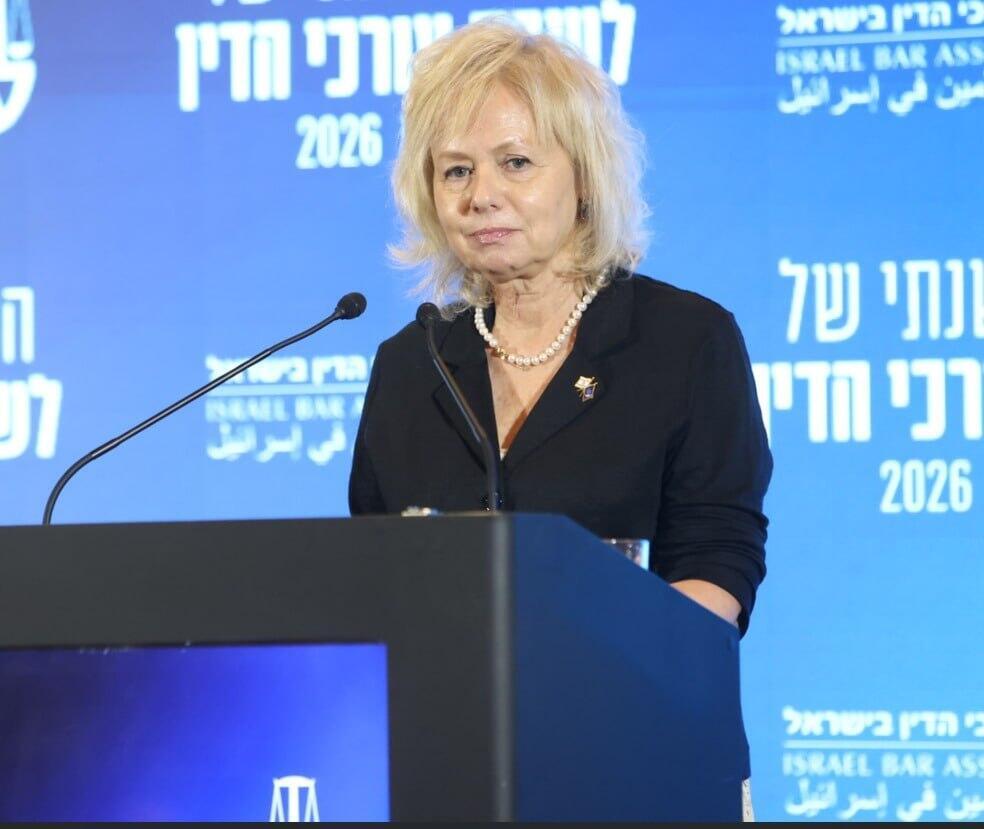
Attorney General Gali Baharav-Miara
(Photo: Israel Bar Association)
The Supreme Court has historically interpreted those grounds narrowly, requiring clear and persuasive evidence before denying a party or candidate the right to contest an election. A Central Elections Committee decision to disqualify an individual candidate must also be approved by the Supreme Court.
Baharav-Miara and Eisman found no sufficient legal basis to disqualify the other parties and candidates covered by the petitions before the committee, including Ra’am, the Joint List, Otzma Yehudit, the Democrats, the Religious Zionist Party-Zehut list and Cassif.
Ra’am faces three challenges
Three separate petitions seek to bar Ra’am, the Islamist party led by Mansour Abbas.
The requests were filed by Otzma Yehudit, Likud and the Choosing Life Forum, which represents families affected by terrorism. The petitions allege, among other claims, that Ra’am fails to accept Israel as a Jewish and democratic state or has links amounting to support for armed struggle. Ra’am rejects those allegations.
Likud has also sought to disqualify the Joint List, while other petitions seek to bar Otzma Yehudit and the Democrats.
The Democrats argue that Otzma Yehudit should be excluded on grounds including incitement to racism and undermining Israel’s democratic character. Otzma Yehudit has filed its own petition against the Democrats, accusing the party of conduct that it argues falls under the same section of the Basic Law. Both parties reject the allegations against them.
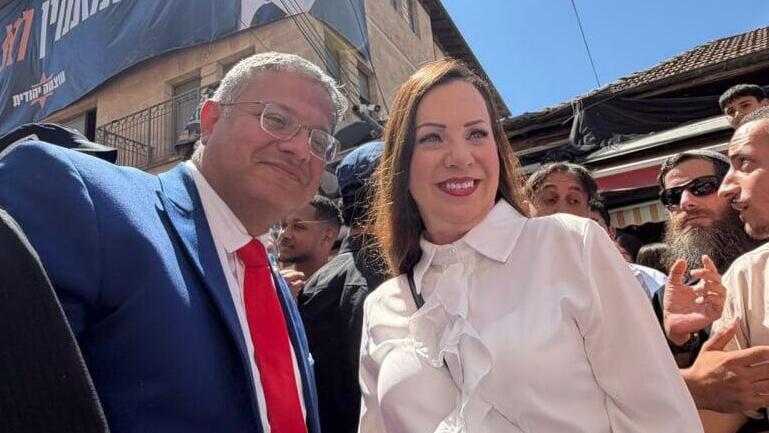
Otzma Yehudit chairman Itamar Ben-Gvir and MK Tally Gotliv
The hearings are also likely to become part of the broader political battle surrounding the election.
Coalition parties backing Ra’am’s disqualification could use opposition votes against the petition to argue that their rivals are preserving Abbas as a potential future political partner. Opposition parties supporting a ban, meanwhile, could face criticism from Ra’am and its voters.
Yisrael Beiteinu has said it intends to support disqualifying the Joint List, Ra’am, Cassif and Abu Shehadeh.
Abu Shehadeh to appear remotely
Abu Shehadeh had sought to postpone Wednesday’s hearing after being injured and hospitalized at Rambam Medical Center in Haifa.
Central Elections Committee chairman Supreme Court Justice Noam Sohlberg rejected the request to delay the proceeding but ruled that Abu Shehadeh could participate by video link.
Otzma Yehudit leader and National Security Minister Itamar Ben-Gvir and fellow party lawmaker Tally Gotliv, both lawyers, are expected to appear before the committee in connection with the petition.
The committee has repeatedly been the first arena for battles over candidate and party disqualification in previous Israeli elections, but its decisions have frequently reached the Supreme Court, which has applied a demanding evidentiary standard in deciding whether a party or individual can be excluded from the race.
That legal threshold will be particularly important in Abu Shehadeh’s case: whether his October 8 article and the broader evidence submitted against him are sufficient to establish the sustained support for armed struggle required to prevent a candidate from standing for election.