

Searches continued in Venezuela on Thursday evening for thousands of people missing after two powerful earthquakes struck the country before dawn, leaving residents pleading for help as survivors remained trapped under collapsed buildings.
The official death toll stood at 164, with 971 people injured, but officials and rescue groups expect the numbers to rise sharply. According to an initial model by the U.S. Geological Survey, there is a significant possibility that the death toll could exceed 10,000.
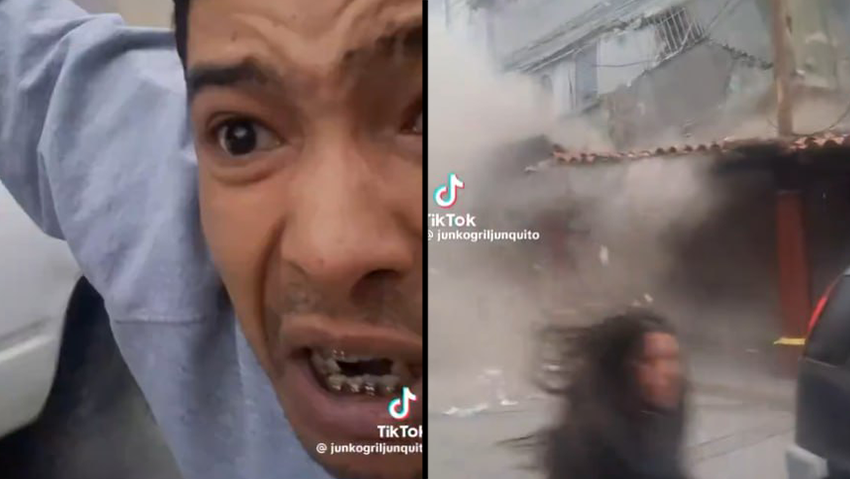
Moments of terror in Venezuela: Building collapses as residents flee


The worst-hit area appeared to be La Guaira state, north of Caracas. Dozens of buildings were reported to have collapsed there earlier in the day, and acting President Delcy Rodríguez described the area as a “disaster zone.” By evening, a UN body said more than 100 structures had collapsed, including a 10-story hotel that was reduced to rubble.
Residents in La Guaira appealed to authorities and aid groups to move faster to reach people trapped beneath the ruins.
“There are people alive there and no one is coming to help them,” a woman waiting for news about her daughter, who was buried under the rubble of a 12-story building, told the BBC.
Buildings collapse near the coast: Scenes of destruction in La Guaira, Venezuela
The disaster struck at 6:04 p.m. local time, 1:04 a.m. Israel time, when two destructive earthquakes hit the Morón area on Venezuela’s Caribbean coast, about 170 kilometers west of Caracas, only 40 seconds apart.
According to the USGS, the first quake had a magnitude of 7.2 and was followed by an even stronger 7.5-magnitude quake. The second was the strongest earthquake to hit Venezuela in more than 100 years, and twice as powerful as the first.
More than 30 aftershocks were recorded after the two major tremors. The second quake was felt as far away as Brazil’s Amazon region, about 1,700 kilometers from Caracas.
The damage was worsened by the relatively shallow depth of the quakes. The first struck at a depth of 22 kilometers, and the second at just 10 kilometers. Many residents were also at home because the disaster occurred during a national holiday marking an 1821 military victory that led to Venezuela’s independence from Spain. Schools were closed and many people were not at work.
Venezuela also has many buildings constructed before the early 1970s, before stricter building codes were adopted, leaving them more vulnerable to earthquake damage.
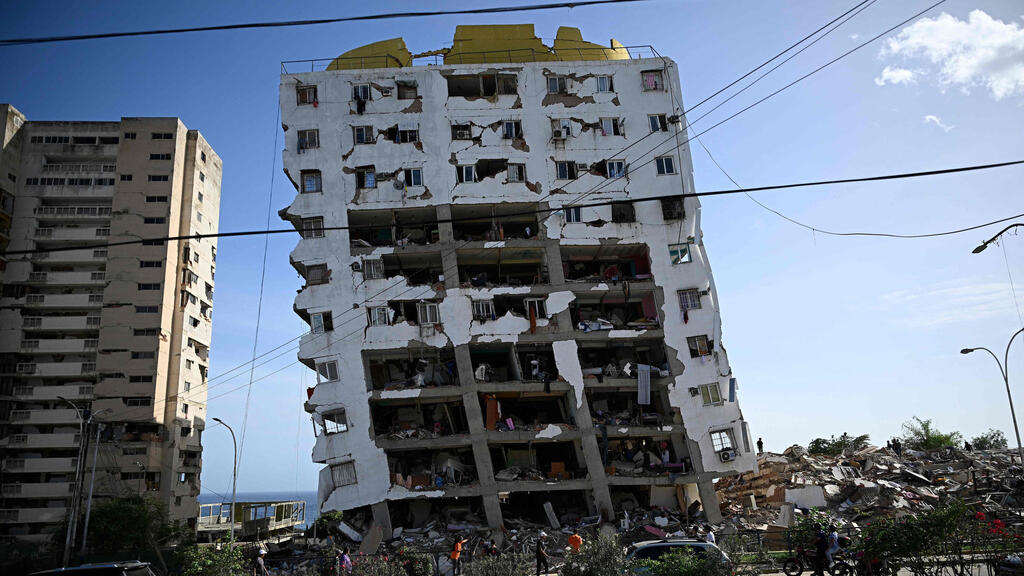
A building in Venezuela after the quake
(Photo: Federico PARRA / AFP)
Videos and images from Caracas and other damaged areas showed apocalyptic scenes of buildings collapsing, residents fleeing through dust clouds and rescue crews digging through piles of debris. Witnesses said some people trapped under the rubble could be heard shouting for help.
One video, filmed in the small town of El Junquito on the outskirts of Caracas, showed a three-story building collapsing as bystanders ran for cover. Four people were seen staying behind, trying to support one another as a massive cloud of dust spread from the falling structure.
An online site set up to help locate missing people listed more than 24,000 people as unreachable by Thursday afternoon Israel time. The site is run by Venezuelan opposition activists, many of them living abroad, and some of the reported cases may also reflect severe internet disruptions following the quake.
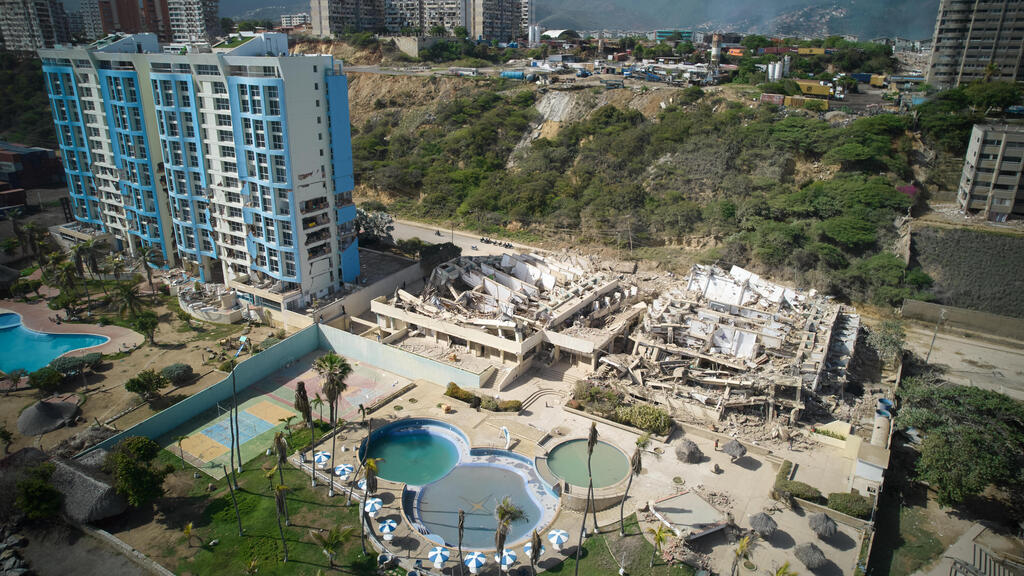
(Photo: AP Photo/Juan Pablo Arraez)
Still, the scale of the disaster appeared severe. The USGS estimated a 44% chance that the death toll would exceed 10,000 and a 30% chance that it could exceed 100,000.
Many Venezuelans turned to social media to ask for help finding missing relatives, posting names, photos and addresses. The Central University of Venezuela published a list of dozens of missing students, many of them from La Guaira. Venezuelan beauty queen Mística Núñez also shared multiple posts about people reported trapped or missing.
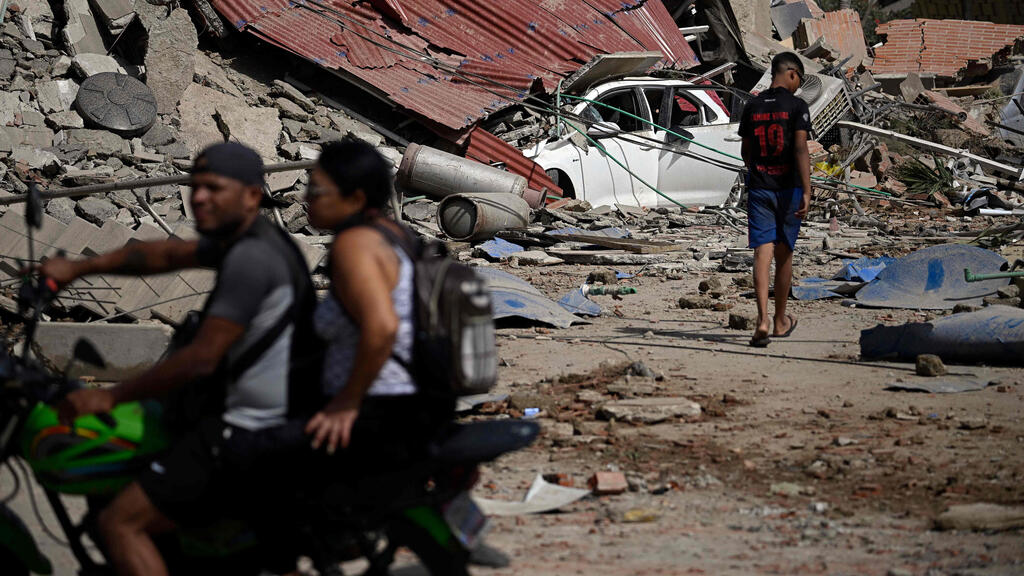
(Photo: Federico PARRA / AFP)
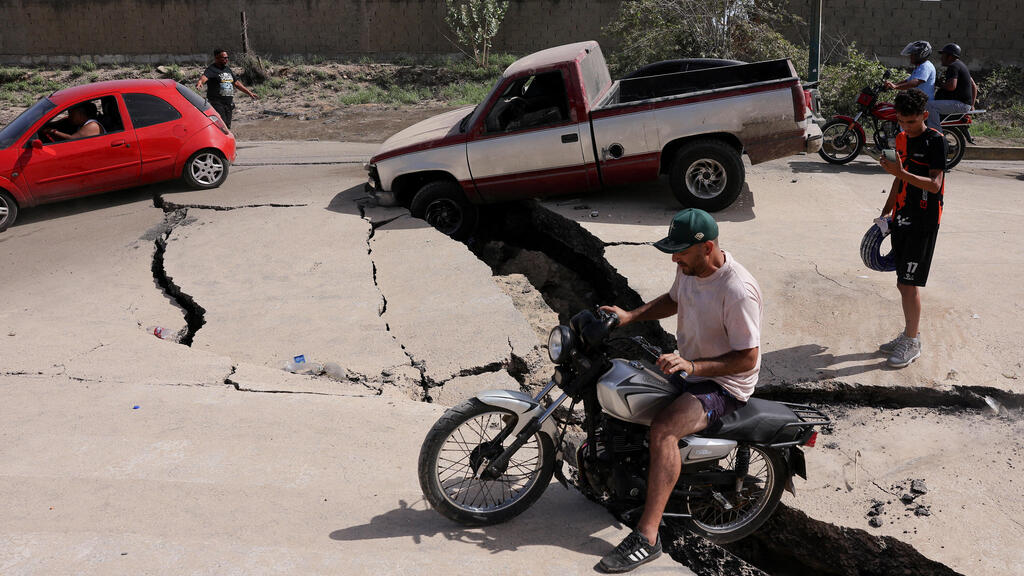
(Photo: REUTERS/Gaby Oraa)
In recent hours, access to X, formerly Twitter, appeared to have been restored in Venezuela after being blocked since August 2024. The ban had been imposed under Nicolás Maduro, who has since been arrested by the United States and removed from power. The current government did not formally comment on the apparent lifting of the block, which came after a UN body called on authorities to allow full access to social media so residents could share and receive information about the disaster.
In the disaster zone, residents continued trying to reach damaged homes to rescue relatives or recover belongings. Larry Rojas, 49, from La Guaira, stood outside his destroyed home and said his family was still trapped inside.
“Right now we have nothing. We don’t even have the strength or courage to go in,” he said.
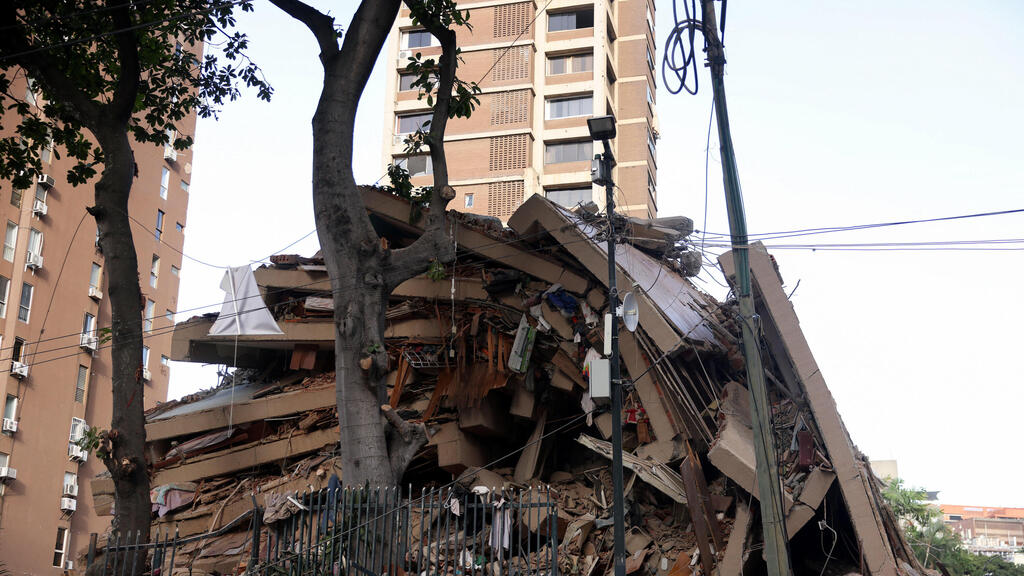
(Photo: REUTERS/Leonardo Fernandez Viloria)
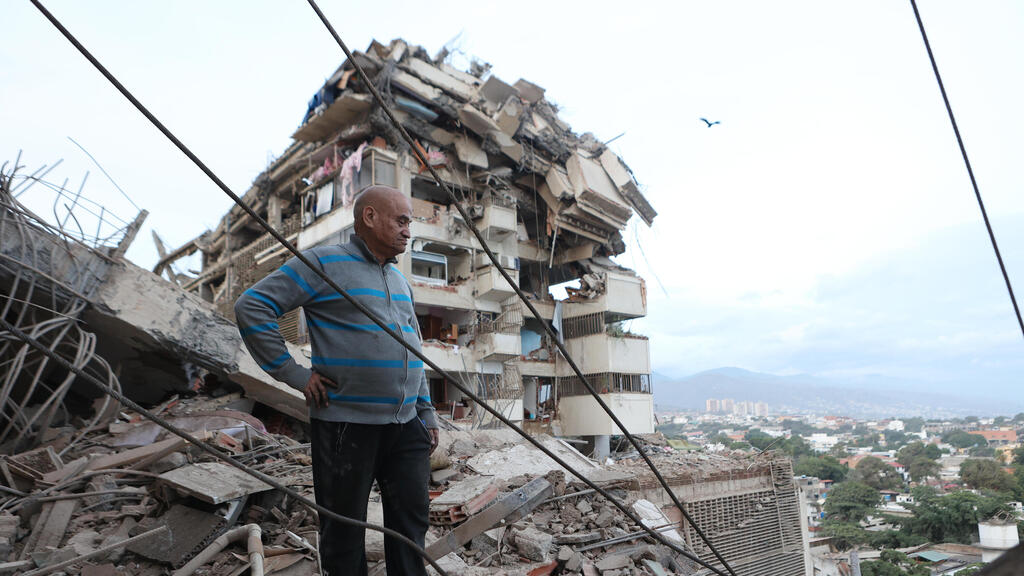
(Photo: AP Photo/Pedro Mattey)
Leander Pérez, a Caracas resident, told the BBC that his home had been badly damaged and that he spent the night sleeping in the street. His mother and neighbors were trapped for a time inside an apartment during the earthquake.
“We spent the night in a public square, on the sidewalk. Most of the neighbors slept in the streets,” he said. “We are in total shock. I have friends whose relatives are missing. Our building is uninhabitable now. All the walls cracked during the quake and we had to evacuate. You can’t live there. It isn’t safe.”
First reports of looting also emerged Thursday evening. AFP reported looting in Catia La Mar, in the disaster-hit La Guaira area, where men and women were seen leaving a partly burned grocery store carrying bags of food.
Venezuela earthquake
(Video: Social media)
Massive destruction at Simón Bolívar airport in Maiquetía
(Video: Social media)
International aid pledges began arriving throughout the day. The United States, which has been rebuilding ties with Caracas since Maduro’s ouster, said it had already sent aid teams and would send more assistance in the coming days. Russia, a longtime ally of Venezuela, also sent a search-and-rescue delegation.
Britain, Brazil, the Netherlands and Iran also announced plans to assist. The Vatican said Pope Leo XIV would send 100,000 euros in emergency aid.
Israel, which does not have diplomatic relations with Venezuela, said it was preparing for the possibility of sending an aid delegation. The Foreign Ministry in Jerusalem said it was holding an assessment with relevant Israeli officials and examining possible forms of assistance.
It was not immediately clear how feasible such a mission would be. Any direct Israeli aid would likely require coordination with the United States and approval from the Venezuelan government, and could potentially open a new chapter in relations between the two countries.
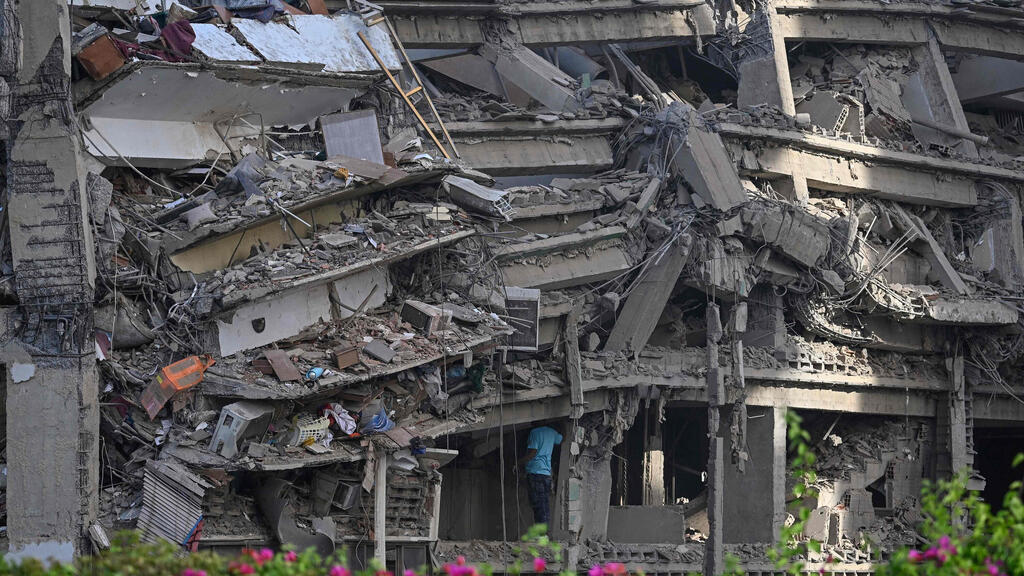
Destruction in Catia La Mar, La Guaira state, after the Venezuela earthquake
(Photo: Federico PARRA / AFP)
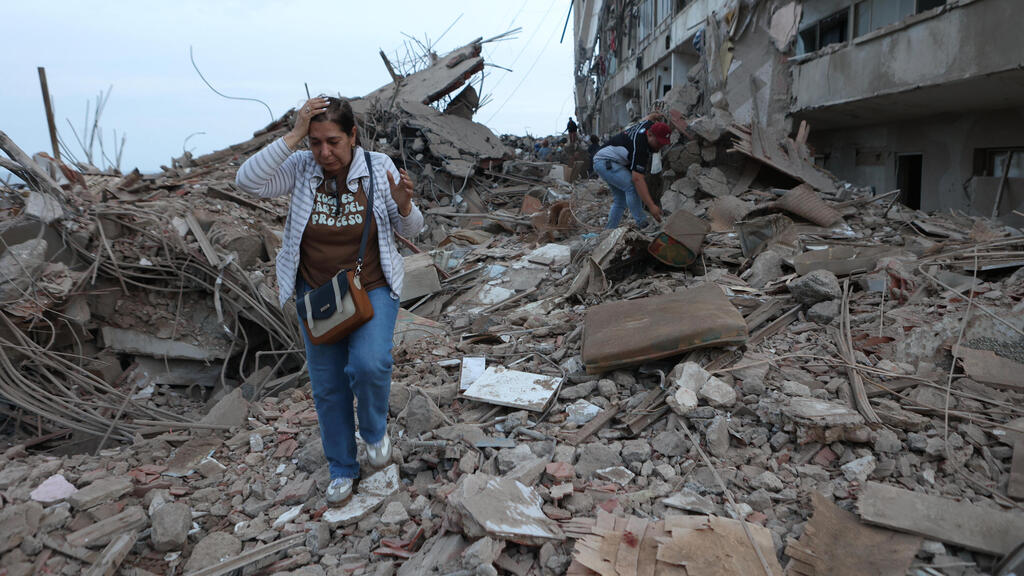
(Photo: AP Photo/Pedro Mattey)
Germany said it was ready to send six military transport aircraft with aid and rescue teams “quickly.”
Venezuela lies in a seismically active area along the boundary between the Caribbean and South American tectonic plates, but strong earthquakes do not strike the country as often as in other parts of Latin America.
Thursday’s quake was the country’s strongest in more than a century, since a 7.7-magnitude quake in 1900 killed 21 people. Another destructive quake in 1967, with a magnitude of 6.3, killed about 200. The deadliest earthquake in Venezuela’s modern history struck in 1812, killing about 30,000 people in Mérida and Caracas.
The disaster comes at a sensitive political moment, six months after the U.S. operation that captured Maduro. His successor, Rodríguez, has since cooperated with Washington, while President Donald Trump has repeatedly touted a dramatic shift in relations with Venezuela, once a bitter U.S. rival in Latin America and a strategic partner of Russia and China.
The United States has also regained access to Venezuela’s oil sector and revenues. Although Trump and his administration previously called for new elections to restore democracy in Venezuela, reports suggest Washington has so far preferred to work with Rodríguez, Maduro’s former deputy, rather than with exiled opposition leader and Nobel Peace Prize laureate María Corina Machado.
Machado called for unity on Thursday in a post on X.
“We share the pain of those whose loved ones have disappeared and are suffering terrible anguish,” she wrote. “We make an urgent call for solidarity and mobilization from all Venezuelans, inside and outside the country, and from the entire international community.”
She added: “The emergency is critical, the pain is endless. Every hour matters.”
The disaster has also raised concern over possible economic fallout because Venezuela is a major oil exporter at a time of global shortages following the war with Iran. So far, oil production centers such as Maracaibo in northwestern Venezuela do not appear to have been directly hit, and no casualties have been reported there. However, prolonged power outages could significantly affect local output.