

A new poll in Australia points to the continued rise of Pauline Hanson’s One Nation, the hard-right party widely viewed as far-right. According to the survey, if elections were held today, Hanson’s party, a fierce opponent of Muslim immigration to Australia, would increase its strength to 53 seats in the House of Representatives and formally become the largest opposition party.
The results of the RedBridge Group and Accent Research poll mean the center-left Labor Party, now in government, would shrink to 76 seats, leaving it on the edge of losing its outright majority in the 151-seat House of Representatives. In a more extreme scenario, Labor would fall below that threshold and be left at most with the possibility of forming a minority government.
Australian opposition lawmaker Pauline Hanson wears a burqa in parliament


Gallery
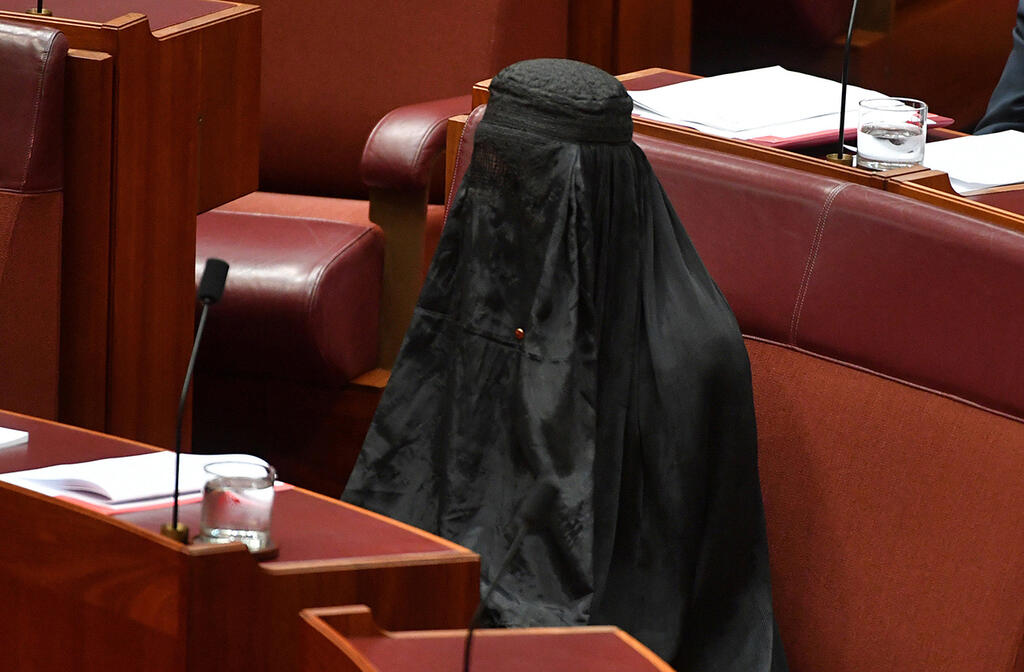
Hanson arrives in parliament wearing a burqa in protest after her bid to ban the Islamic garment was blocked
(Photo: Reuters)
Australia’s last federal election was held in 2025. Labor, which currently governs, won 34.6% of first-preference votes. The traditional center-right bloc, known as the Coalition, won 31.8% and found itself in opposition, while Hanson’s One Nation received only 6.4% and did not win a single seat. The next federal election is expected no earlier than May 2028.
Under Australia’s electoral system, voters do not choose only one party. They rank candidates on the ballot in order of preference. In the first stage of counting, officials examine how many voters marked a particular candidate or party as their first choice. If no candidate wins an outright majority at that stage, the lowest-ranked candidates are gradually eliminated and their votes are transferred to the remaining candidates according to voters’ later preferences.
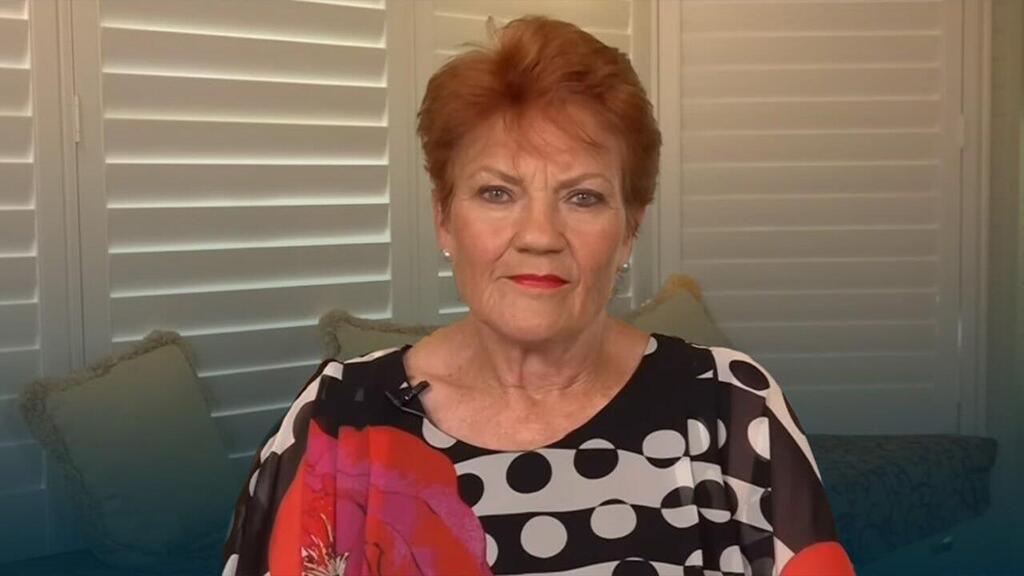
Pauline Hanson: “It’s encouraging, but it’s only a poll”
According to the RedBridge poll, if elections were held today, One Nation would grow from one seat to 53 and, in its most optimistic scenario, reach 59. The traditional center-right opposition bloc would fall to just 12 seats, all of them held by the Liberal Party, while the National Party would be wiped out entirely. Labor would drop from 94 seats to 76, exactly the number needed for a majority, but a dangerously narrow figure that would make governing difficult. In the most pessimistic scenario, Labor would fall to 70 seats.
Some in Australia have played down the poll’s significance and criticized its methodology, but it follows other surveys pointing to a dramatic rise in One Nation’s support. A DemosAU poll for Capital Brief found that 28% of voters would now mark One Nation as their first preference, putting it ahead of Labor for the first time. Labor would receive 26%, while the traditional center-right bloc would receive 23%. The poll also claimed that 17% of those who voted for Labor in 2025 said they would now vote for Hanson’s party.
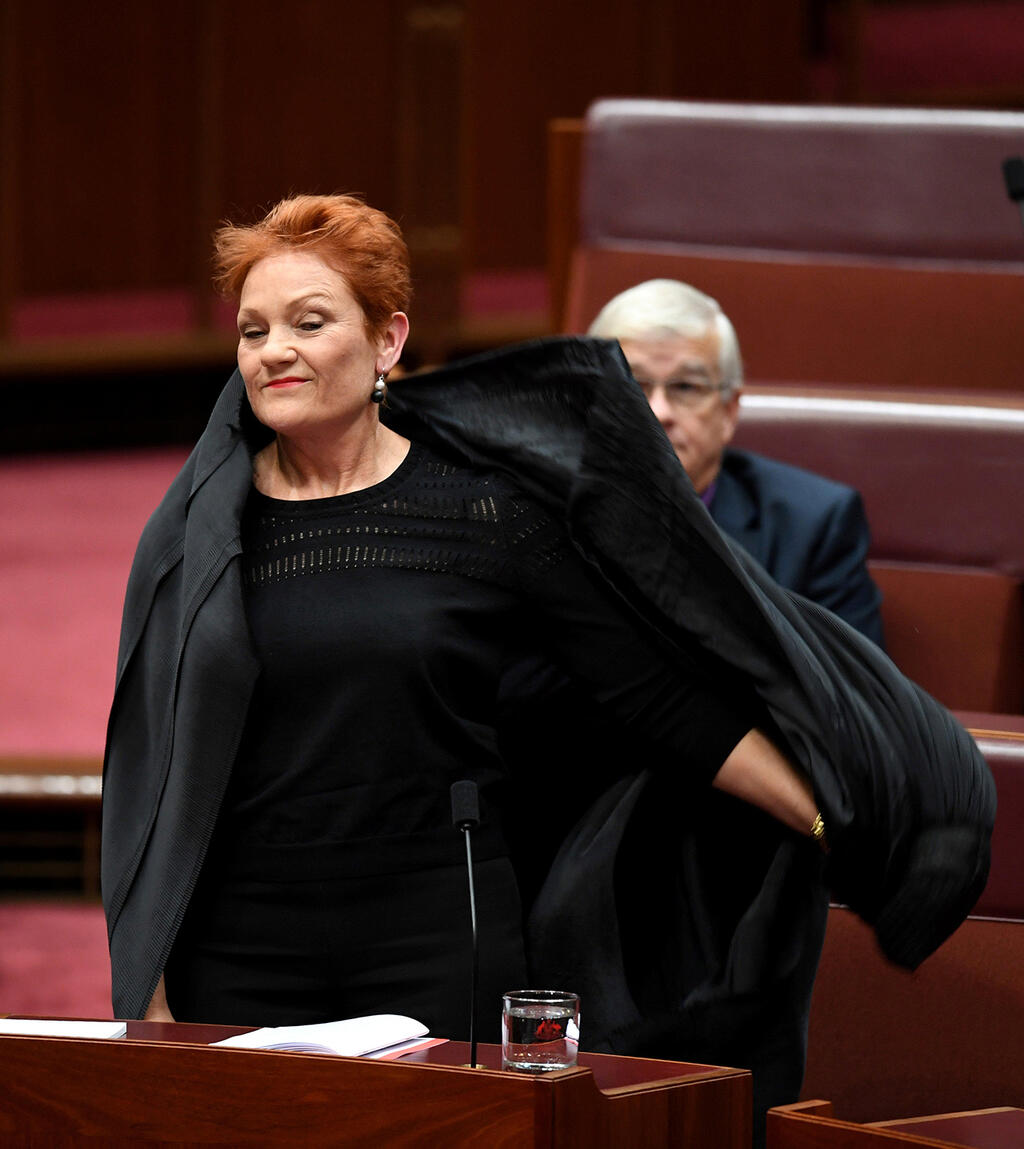
Hanson removes the Islamic body covering: “If parliament won’t ban this oppressive garment, I’ll display it here”
(Photo: Reuters)
A national Newspoll survey this month gave One Nation 25% support, up three points from its April poll, though Labor still led with 31%. Another survey, by Resolve, gave Labor 29% of first-preference votes and One Nation 24%.
The polls follow a special election this month for a vacant House of Representatives seat, in which One Nation won its first seat in the lower house. The party also has four senators in Australia’s Senate, the upper house of parliament.
If the more extreme polls are borne out, it would mark a collapse of the two-party system that has defined Australia for many years.
Hanson: ‘The real poll will be on election day’
Analysts tend to attribute One Nation’s growing support to frustration with Labor’s economic management. Alex Fein, an analyst at RedBridge, cautioned against rushing to the conclusion that Australia is veering sharply toward the far right. He said the results reflect Australians’ dissatisfaction with declining living standards and public services, as well as their eroding trust in institutions such as government and the media.
According to Fein, expressing support for Hanson and her colleagues is a way for voters to give the major parties “a kick in the backside,” and does not necessarily mean they intend to vote for One Nation.
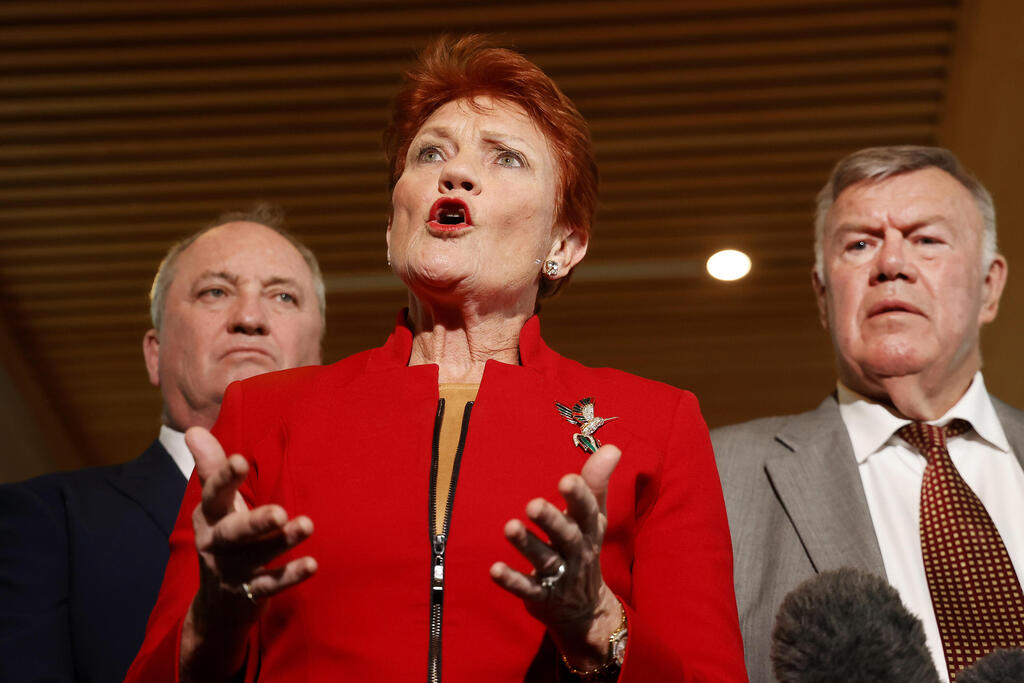
Some analysts see it as “a kick in the backside” for the major parties: Pauline Hanson
(Photo: Hilary Wardhaugh/Getty Images)
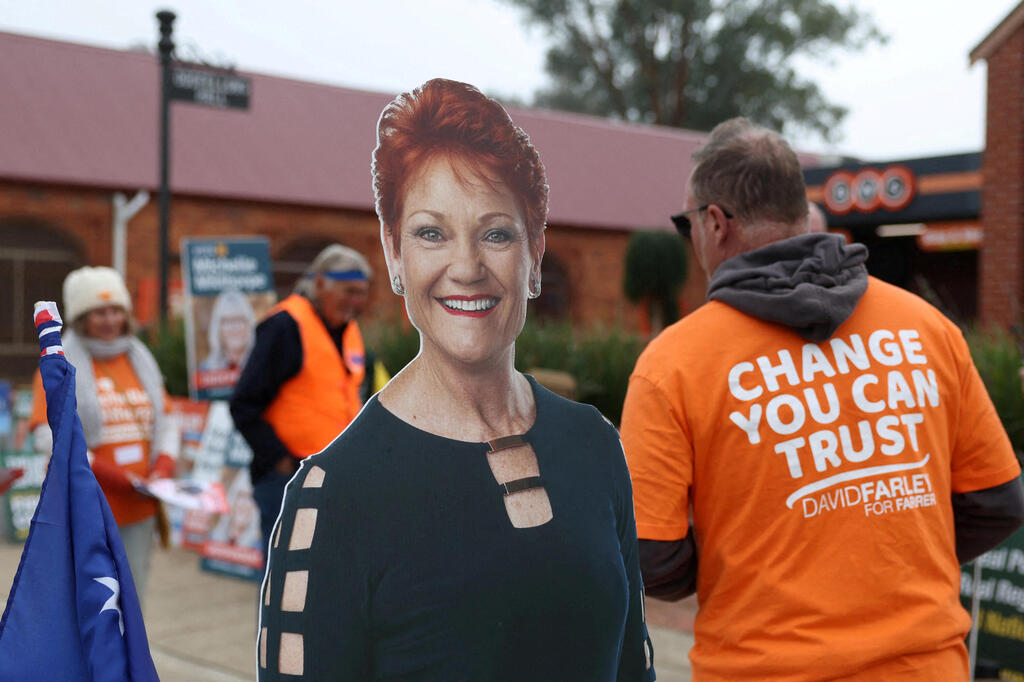
Four senators and a first seat in the House of Representatives: Hanson begins to reap the rewards
(Photo: Reuters/Hollie Adams/File Photo)
Both Labor and the traditional right-wing opposition acknowledge One Nation’s rise and admit mistakes were made, but believe the mood is reversible.
Labor Cabinet Secretary Andrew Charlton said the government must focus on offering solutions to voters’ concerns and prove it is addressing them. "One Nation is expressing the grievances that people have, but they're not providing the solutions that those people need to those grievances," he said according to The Courier. "Every opportunity they get they vote against things that will benefit Australian families and workers."
Hanson herself responded by saying that while the poll was “very encouraging,” it should be treated with caution because it is only a poll. “There is still work to do. The real poll will be on election day,” she said.
In a ‘dangerous’ burqa, with bare legs
One Nation was founded in 1997 by Hanson, who served in Australia’s House of Representatives from 1996 to 1998 and has been a senator since 2016. She became known in the 1990s for her fierce opposition to Asian immigration and the acceptance of asylum seekers in Australia, and later sharpened her rhetoric against Muslim immigration.
Hanson has repeatedly called for Muslims to be barred from immigrating to Australia and demanded a ban on the construction of mosques in the country. She is also a staunch supporter of banning the burqa, the Islamic garment that covers a woman’s face and body. Over the past decade, she has arrived in parliament at least twice wearing a burqa herself in protest, sparking outrage.
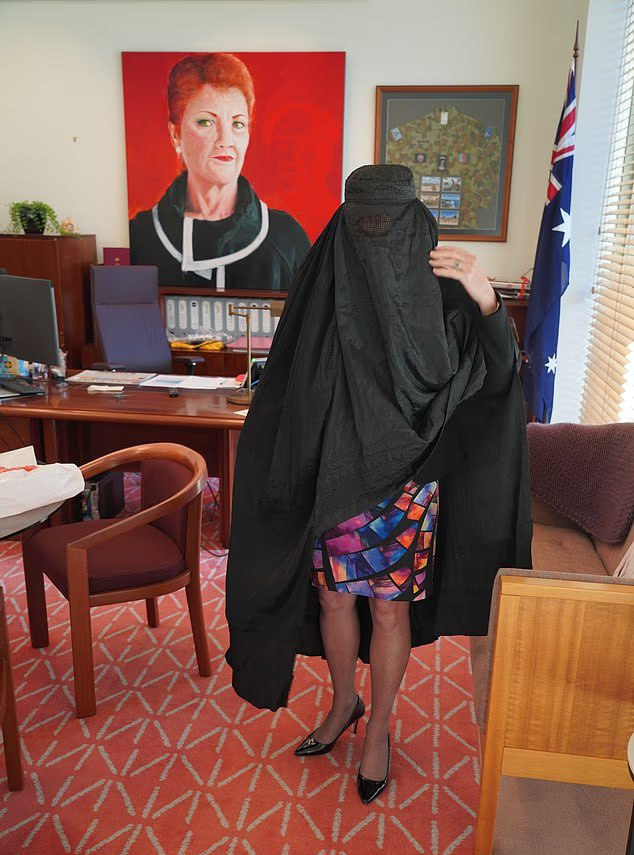
Hanson wearing a “half burqa” in parliament last year: “So every Australian knows what is at stake”
The most recent time Hanson provoked anger by mockingly wearing the burqa was in November 2025, when she entered the Senate chamber wrapped in a black covering. She did so shortly after she was blocked from bringing forward a bill that would ban burqas and other face coverings in public places in Australia.
As Hanson walked in wearing the burqa, but with her legs exposed, anger erupted in the chamber and proceedings were suspended after she refused to leave.
Mehreen Faruqi, a Muslim senator from the Greens who represents New South Wales, accused her at the time of being “a racist senator displaying blatant racism.” Another Muslim lawmaker, Fatima Payman, an independent senator from Western Australia who wears a hijab, called the act “disgraceful.”
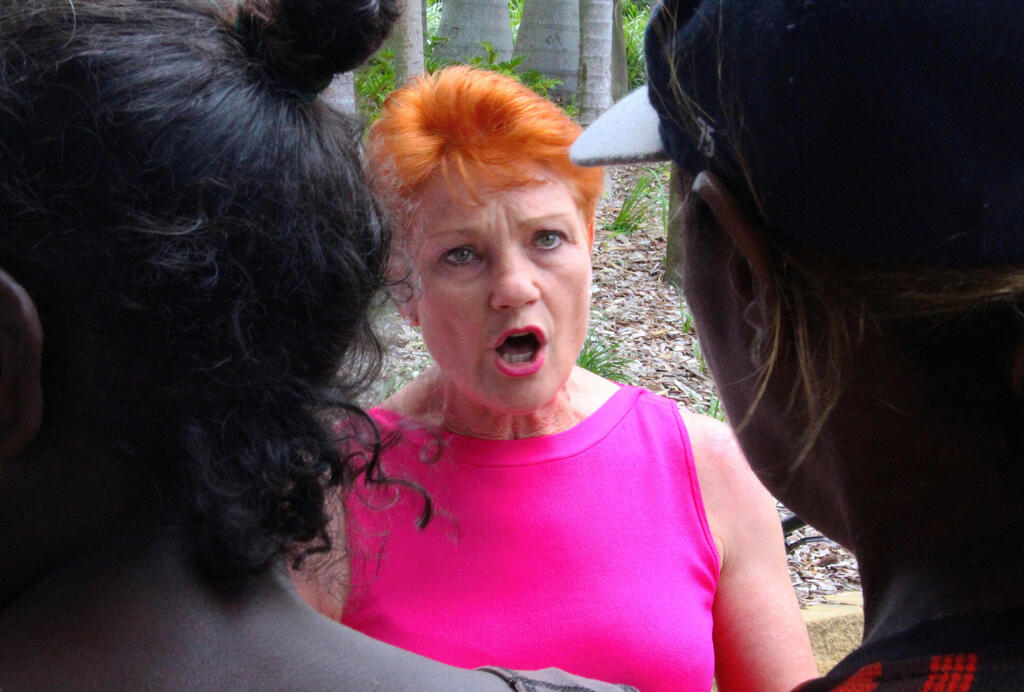
Pauline Hanson, accused by critics of populism
(Photo: Reuters/Jonathan Barrett/File Photo)
In a statement posted to her Facebook page after the parliamentary uproar, Hanson wrote that her actions were meant to protest the Senate’s refusal to debate her bill.
"So if the Parliament won't ban it, I will display this oppressive, radical, non-religious head garb that risk our national security and the ill-treatment of women on the floor of our parliament so that every Australian knows what's at stake," she wrote. "If they don't want me wearing it, ban the burqa."