

German customs officers were stunned to discover 92 reptiles, including 37 venomous snakes and 55 lizards, crammed into a passenger's suitcase at Cologne Bonn Airport, authorities announced Thursday. The animals had been concealed inside shampoo bottles, cream containers and socks, and about 30 died during or after the journey from Mexico.
The unusual discovery occurred approximately three weeks ago, when a 45-year-old Mexican man, whose identity has not been released, arrived at the airport on a connecting flight from Istanbul. The passenger, a firefighter by profession, had originally departed from Mexico City and attempted to pass through the green customs channel, reserved for travelers with nothing to declare.
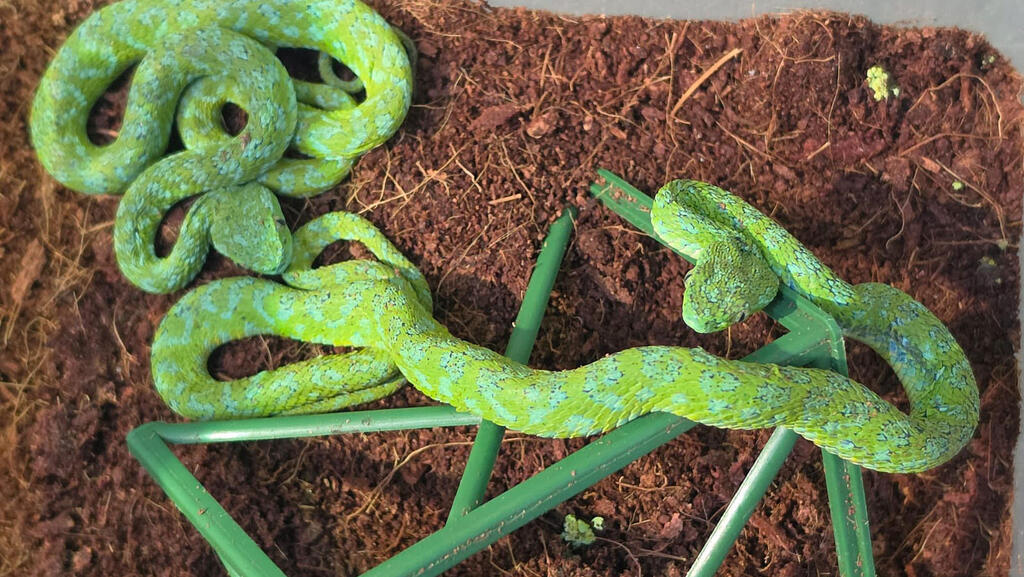
One of the venomous snakes discovered in a suitcase carried by a passenger from Mexico
(Photo: AFP PHOTO / CUSTOMS COLOGNE AIRPORT)
According to customs officials, the man attracted suspicion because of his nervous behavior. Officers initially suspected he might be carrying drugs and subjected him to a drug test, which returned a positive result for cocaine.
But when customs officers searched his suitcase, they found no narcotics. Instead, they uncovered dozens of snakes and lizards packed into plastic containers, shampoo and cream bottles, and rolled-up socks.
"My colleagues at the airport are used to all sorts of travel souvenirs in suitcases, but we've never had 37 venomous snakes and 55 lizards from Mexico before," said Jens Ahland, a spokesperson for the Cologne customs office.
The reptiles included vipers, rattlesnakes and several species of lizards, including iguanas. Authorities said the animals had been transported in conditions that violated animal welfare regulations, with no access to food or water during the long journey.
About 30 of the reptiles died during or after the trip, according to customs officials. The surviving animals were given veterinary care in Cologne before being transferred to a specialized reptile facility near Braunschweig in central Germany.
The passenger told authorities he had traveled to Germany on vacation and was bringing the reptiles as a favor for a Brazilian acquaintance.
German authorities classified him as a public safety risk and denied him entry to the country. He was sent back to Istanbul, the city through which he had transited on his way from Mexico.
Ahland condemned the treatment of the animals, describing the ordeal as a disturbing example of the cruelty associated with wildlife trafficking.
"It's distressing to see what some people do to animals out of sheer greed for profit," he said.