

An internal government assessment shows that U.S. aid officials raised “critical concerns” last month about a key humanitarian organization’s ability to protect civilians and distribute food—just days before the State Department approved a $30 million grant for the group.
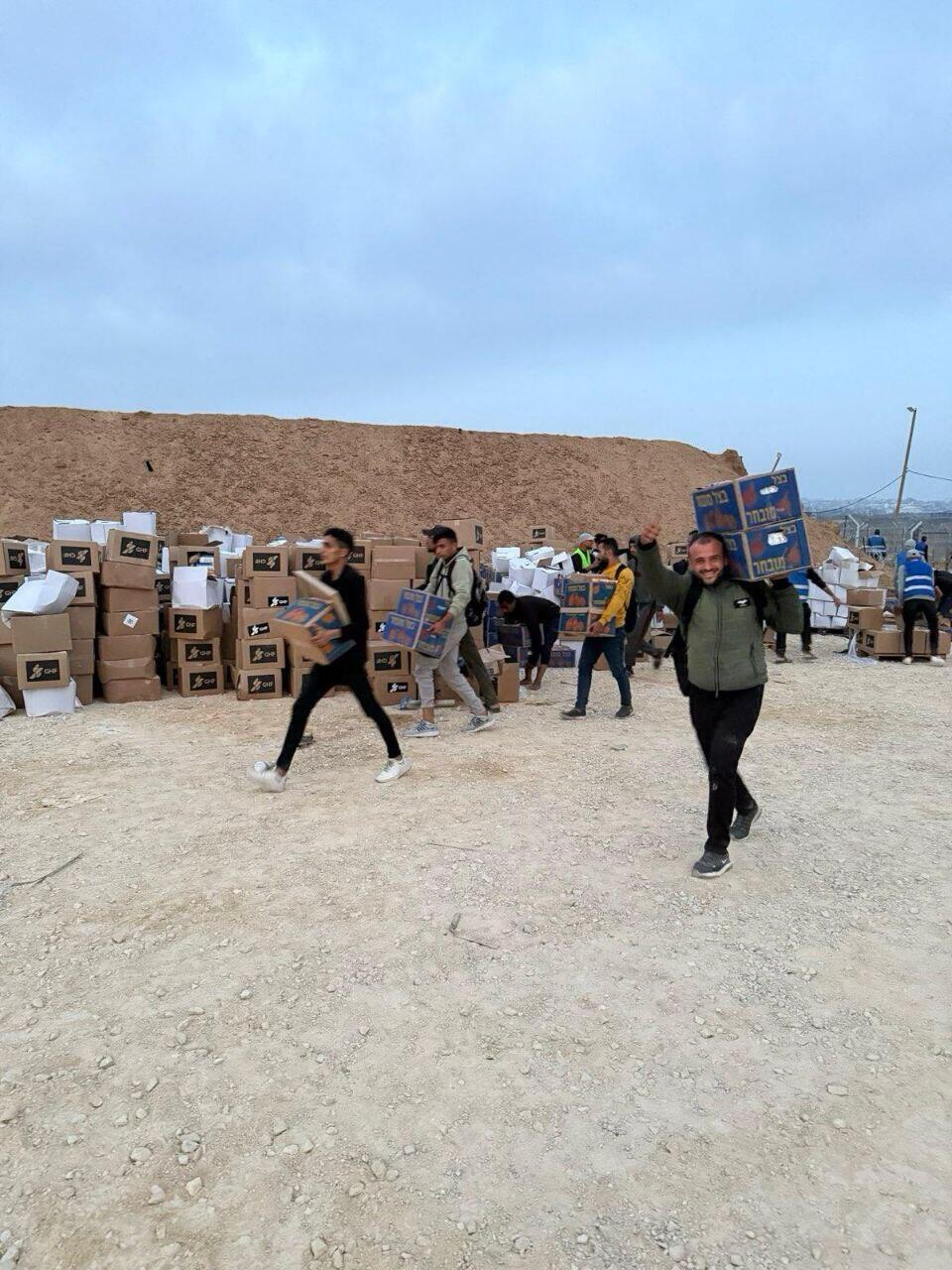
The Gaza Humanitarian Foundation (GHF), a U.S.-backed nonprofit created to provide emergency relief in Gaza, has faced intense scrutiny since launching its operations following Israel’s 11-week blockade of the enclave. The United Nations says hundreds of Palestinians have died near private aid zones, including GHF-run sites.
The internal review flagged major gaps in GHF’s application—from basic logistical details to a plan to distribute powdered infant formula in areas lacking clean water. “I do not concur with moving forward with GHF given operational and reputational risks and lack of oversight,” one U.S. aid official wrote. Another source familiar with the process called the application “abysmal” and said it lacked real substance.
Despite the red flags, political appointees in the Trump administration pushed to fast-track funding. Secretary of State Marco Rubio and foreign aid deputy administrator Jeremy Lewin moved to approve the grant without waiting for further documentation. A follow-up memo from another senior official said the criteria should be waived “given the humanitarian and political urgency.” Both officials were installed under the Elon Musk–backed Department of Government Efficiency.
Two days later, the $30 million was greenlit. The funds were conditioned on GHF completing several tasks typically required before approval, such as financial audits and organizational registration. As of last week, the money had not yet been transferred.
GHF distribution


The previously unreported concerns highlight mounting criticism over GHF’s role as Gaza’s primary aid distributor. More than 240 humanitarian organizations have called for GHF’s operation to be shut down, citing the use of armed American contractors and close coordination with the Israeli military.
“Today, Palestinians in Gaza face an impossible choice: starve or risk being shot while trying desperately to reach food to feed their families,” a coalition of aid groups said in a joint statement.
Gaps in oversight, unclear planning
Documents show that GHF initially submitted a brief emergency request for funding in early June, which was later expanded. However, the revised application still lacked critical elements. A risk plan failed to explain how aid would reach its intended recipients. Budget figures were inconsistent. Expansion plans lacked maps, staffing breakdowns, and clarity on where new aid centers would be placed.
Officials also warned that distributing infant formula without access to sterilized water could endanger infants. “Powder milk formula must be prepared with sterilized/boiled water, which is difficult in the current context,” the review said.
Get the Ynetnews app on your smartphone: Google Play: https://bit.ly/4eJ37pE | Apple App Store: https://bit.ly/3ZL7iNv
GHF also failed to provide details on how it would ensure fuel or facilities were available for families to safely prepare meals. Despite these shortcomings, the grant was announced publicly on June 26, alongside calls for other countries to support GHF’s efforts.
A memo from U.S. Ambassador to Israel Mike Huckabee praised GHF’s success, claiming it had disrupted Hamas’s control of humanitarian aid. The document focused exclusively on the organization’s accomplishments, omitting previous internal concerns.
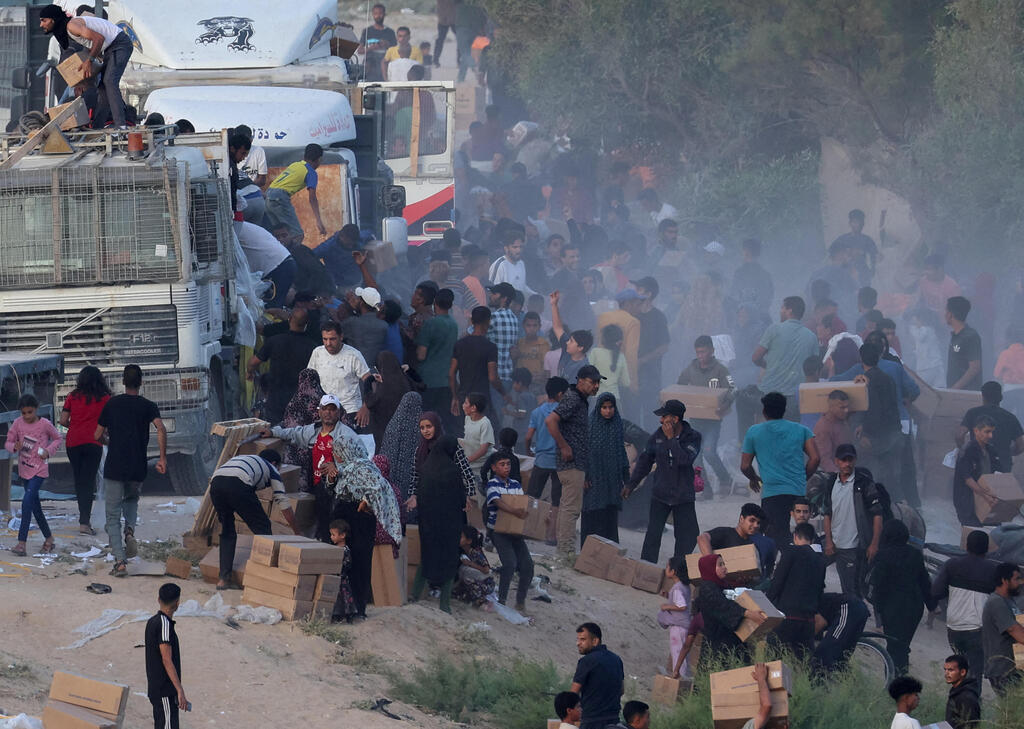
Palestinians climb onto trucks
(Photo: Ramadan Abed / Reuters)
Last week, it was reported that American security contractors guarding GHF sites used live ammunition and stun grenades against Palestinians trying to access food. GHF denied wrongdoing, but the incidents added to mounting pressure from human rights organizations.
A State Department spokesperson defended the group, saying it had delivered over 66 million meals and calling it “a results-focused alternative to a broken aid system.” Officials have since suggested that further funding could follow—if the group operates “safely, securely, and consistent with the principles laid out.”