


Britain has sharply expanded restrictions on military exports to Israel, suspending or refusing more than 80 licences for items that could be used by the IDF in Gaza, nearly three times the number affected when the policy was introduced in September 2024.
UK Middle East Minister Stephen Doughty said more than 50 additional export applications had been refused since the initial suspension of around 30 licences, part of what he described as a tougher system for assessing exports to Israel.
Gallery
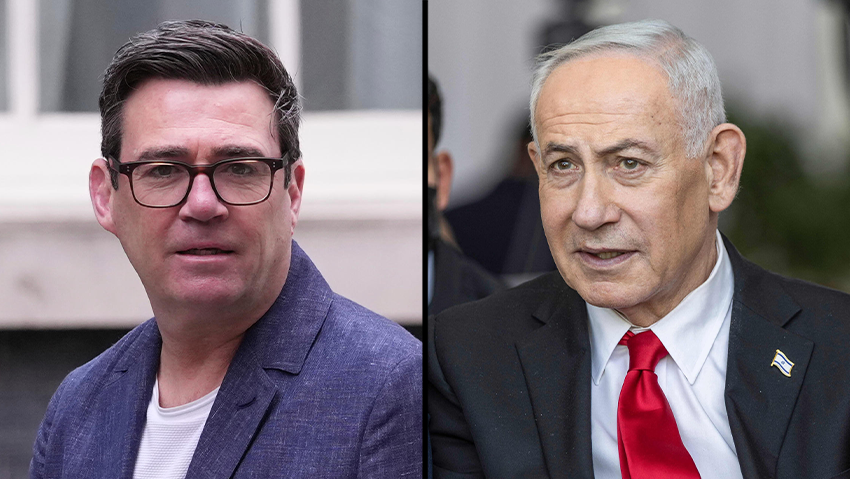
UK blocks 50 more Israel export licences as government adopts tougher Gaza policy
(Photo: Ilia YEFIMOVICH / AFP, AP Photo/Alastair Grant)
The original September 2024 decision suspended roughly 30 of about 350 licences after the British government concluded there was a “clear risk” that certain military exports could be used to commit or facilitate serious violations of international humanitarian law in Gaza. The affected equipment included components for military aircraft, drones, naval systems and targeting equipment.
Doughty said additional measures adopted this month had created what he called a “double lock” on approvals. Export applications must now be considered both under the existing international humanitarian law criteria and in light of Britain’s position on the legality of Israel’s presence in the Palestinian territories.
“We have suspended or refused over 80 licences now,” Doughty said, adding that he had personally reviewed each licence.
F-35 components remain largely exempt
Despite the broader restrictions, British components entering the international F-35 fighter jet supply chain remain largely exempt.
The UK government has maintained that stopping British-made parts from entering the global F-35 pool could undermine the wider program and have serious consequences for the security of Britain and its allies. Direct exports of F-35 components intended specifically for Israel remain suspended.
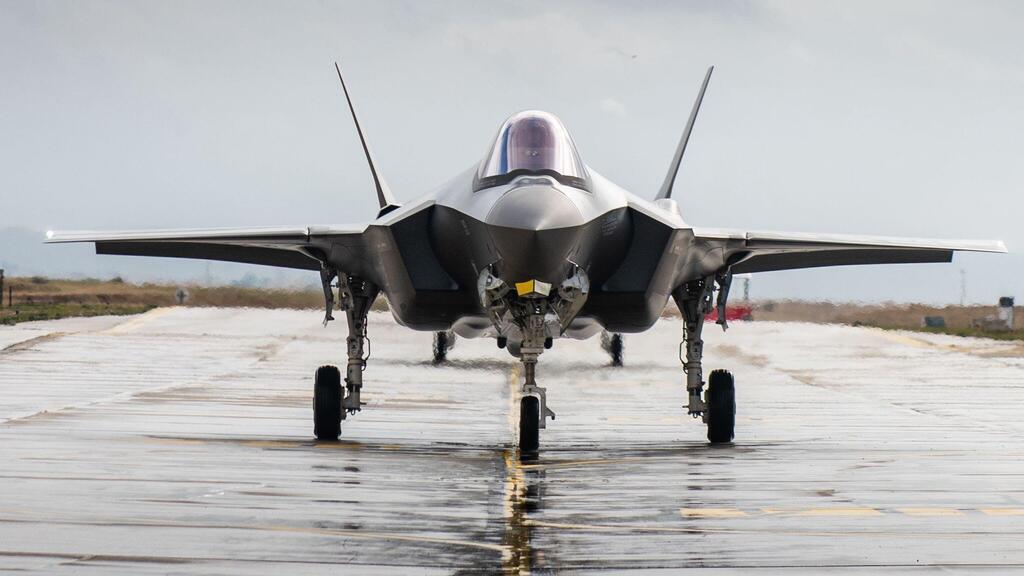
F-35 parts exempted on ‘national security grounds’
(Photo: IDF)
Doughty defended the continued supply of components through the international program, arguing that halting them could have serious implications for the broader European and allied security architecture.
Foreign Affairs Committee chair Emily Thornberry challenged that position, arguing that the issue was political rather than purely legal.
She suggested adopting an approach similar to the Dutch model, under which components entering the international supply chain could be marked as not intended for aircraft destined for Israel.
UK foreign secretary lashes out at Netanyahu government


The initial suspension was introduced under then-Foreign Secretary David Lammy in September 2024. Lammy stressed at the time that the measure did not constitute an arms embargo and applied only to items assessed as potentially usable in military operations in Gaza.
The policy has since been tightened under Prime Minister Andy Burnham.
Miliband signals tougher line on Israel
The expanded export restrictions come as the Burnham government adopts a more confrontational policy toward the Israeli government.
Foreign Secretary Ed Miliband received strong applause at Labour’s annual conference in Liverpool after sharply criticizing the Netanyahu government’s policies and defending Britain’s decision to ban trade with Israeli settlements in the West Bank.
Miliband accused Israel of war crimes in Gaza and said the British government had heard public anger over the conflict.
“We hear you. You were right,” he told delegates.
The tougher rhetoric and widening export restrictions mark a clear shift from the narrower 2024 policy, when Britain suspended around 30 licences while emphasizing that it was not imposing a general arms embargo on Israel.