

Israel said Tuesday it has begun enforcing new registration rules for international nongovernmental organizations, moving to bar 37 groups from operating in Gaza and the West Bank after they failed to comply with requirements introduced earlier this year.
The organizations’ licenses will expire on January 1 under a government resolution passed on March 1, according to the Ministry of Diaspora Affairs, which leads the registration process. Groups based in Israel will be required to cease operations and leave the country by March 1, though appeals are possible.
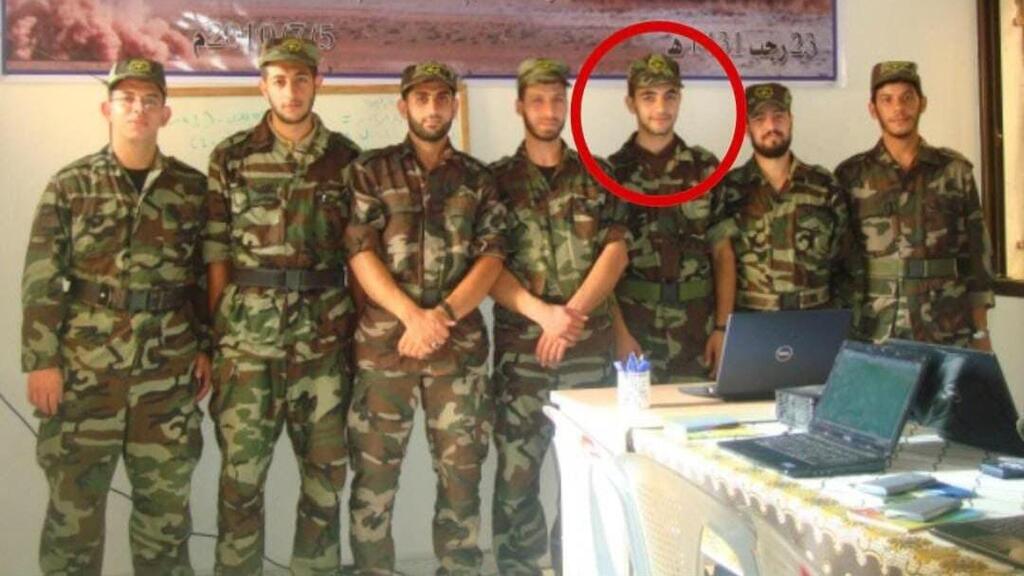
Under the regulations, NGOs were required to submit detailed documentation about their operations, including information on foreign and Palestinian employees, funding sources and organizational structures. An interministerial team reviews applications and may deny registration on a range of grounds.
Those include if an organization denies Israel’s existence as a Jewish and democratic state, promotes campaigns Israel defines as delegitimization, calls for boycotts of Israel, denies the October 7 attack or expresses support for international legal cases against Israeli soldiers or leaders.
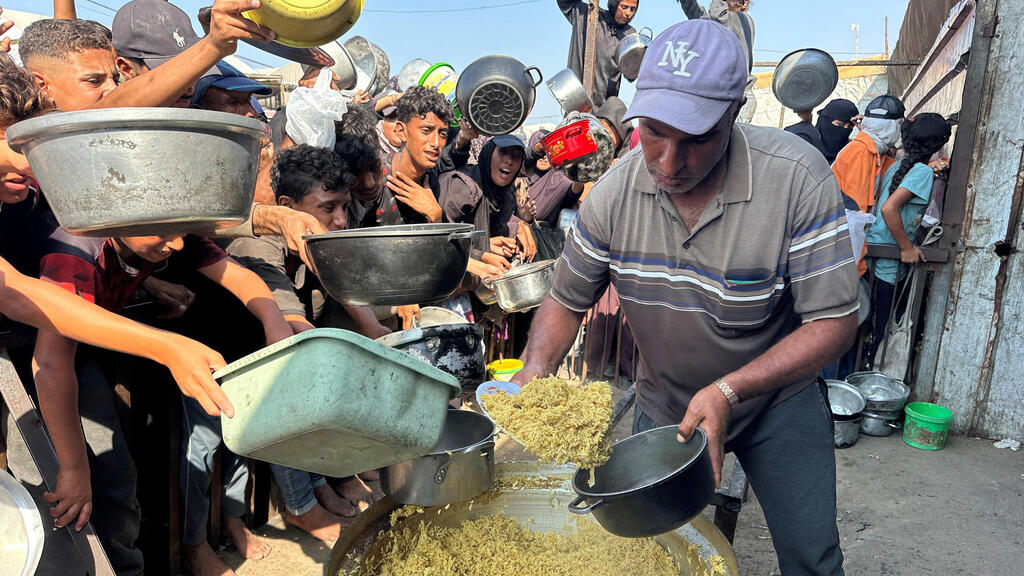
Khan Younis, Gaza
(Photo: Haseeb Alwazeer/ Reuters)
The Diaspora Affairs Ministry said the measures were adopted following security assessments indicating that some NGO employees had been involved in terrorist activity. It cited two cases involving workers previously employed by Doctors Without Borders, also known as MSF. The organization has said it would never knowingly employ individuals involved in military activity.
According to the ministry, the affected organizations were given about 10 months to comply. An initial September deadline was extended to the end of December to allow additional time to complete the process.
Israel’s Coordinator of Government Activities in the Territories, or COGAT, said the move would not affect the delivery of humanitarian aid to Gaza. It said the organizations facing license revocation have not provided aid to Gaza since the ceasefire began on October 10 and that their combined contribution before the ceasefire amounted to about 1% of total aid volume.
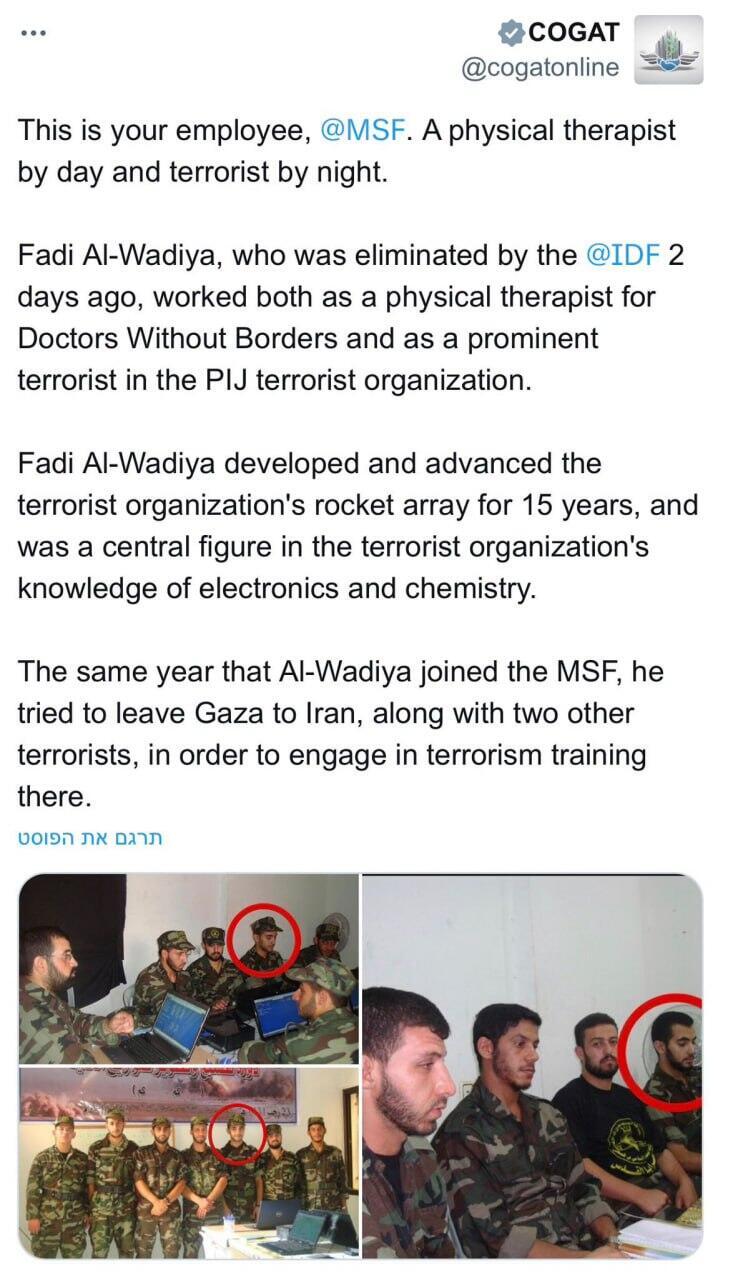
(Photo: from X)

Rafah Crossing
(Photo: Reuters/Stringer)
COGAT said humanitarian assistance will continue through more than 20 organizations that received approval to operate and that the registration process is intended “to prevent the exploitation of aid by Hamas,” citing concerns over aid diversion, misuse of local employees and terror-linked funding.
Some international organizations criticized the decision, warning it could disrupt humanitarian operations. Doctors Without Borders said the move would have a severe impact on its work in Gaza, where it supports about 20% of hospital beds and roughly a third of births, and rejected Israeli claims regarding staff affiliations.
“The message is clear: humanitarian assistance is welcome – the exploitation of humanitarian frameworks for terrorist purposes is unacceptable. Israel will continue to protect its sovereignty, its citizens, and the integrity of humanitarian action,” Diaspora Affairs Minister Amichai Chikli said.
Israel has previously taken similar steps against international aid bodies, including the United Nations Relief and Works Agency, which it has accused of being infiltrated by terrorists. The United Nations has denied those allegations.