


The end of the world order built after World War II has become visible in recent years in many ways. One of them is the decision by countries that had largely abandoned military power to rearm. Japan, which imposed heavy military restrictions on itself after the war and adopted a pacifist constitution, is the latest prominent example.
Conservative Prime Minister Sanae Takaichi has led an especially hawkish line since taking office last year, pushing dramatic rearmament efforts. Now, for the first time since World War II, Japan is also establishing a central intelligence agency. The most urgent goal of the new agency, which is being set up with the help of Western countries, is to stop Russia’s growing penetration of Japan.
Gallery
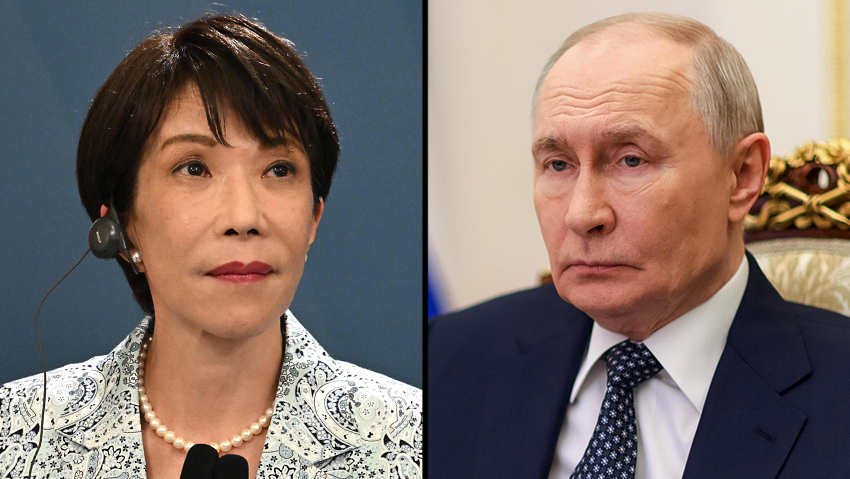
Japanese Prime Minister Sanae Takaichi and Russian President Vladimir Putin
(Photo: Gavriil Grigorov/Sputnik - Kremlin Pool Photo via AP, Andreas SOLARO / AFP)
Dozens of Russian spies have moved to Japan in recent years, turning the country into a major hub in the Kremlin’s effort to acquire weapons components, send them to Russia and evade Western sanctions imposed over the invasion of Ukraine.
Foreign officials have warned Japan about the threat, but in the absence of adequate intelligence infrastructure, Tokyo is relying on assistance from countries such as the United States, Australia and Germany for advice on technology, personnel and priorities. For years, Japan invested very little in its intelligence capabilities. That has left the country especially vulnerable to espionage and foreign interference.
The creation of a domestic intelligence agency is a pillar of Takaichi’s effort to remove the strict security limits Japan placed on itself after World War II, as the country faces growing threats from China, Russia and North Korea.
China, for example, has created websites disguised as Japanese-language news channels in recent years in order to spread disinformation serving the interests of the Communist government in Beijing. “Japanese officials feel that the country’s intelligence capabilities have been frozen in time for decades,” Andrew Shearer, Australia’s ambassador to Japan, who has offered informal advice to Takaichi’s government, told the New York Times.
U.S. intelligence officials have offered to provide feedback on cyberdefense systems and methods for dealing with industrial espionage. The head of Germany’s BND foreign intelligence service recently visited Tokyo, in part to discuss Japan’s new agency.
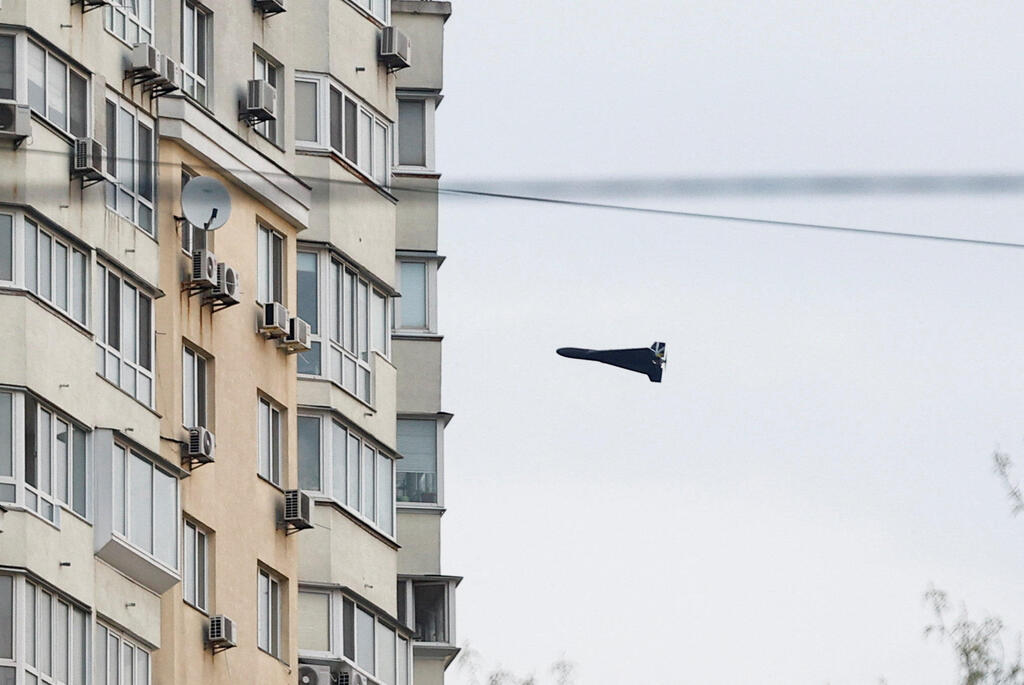
Russian drone in an attack on Kyiv. ‘Japanese components are found in 90% of the drones and missiles’
(Photo: REUTERS/Valentyn Ogirenko)
The West’s central interest in helping Japan stems from what the New York Times described this week as Russia’s quiet intelligence invasion of the country. In its investigation, the newspaper said Japan had become a “spy den” for Moscow.
Shortly after the war in Ukraine began in February 2022, Western countries expelled hundreds of Russian spies and blacklisted companies linked to the Kremlin. But according to the Times investigation, dozens of those expelled spies have since appeared in Japan. According to the report, Japan’s weak espionage laws and thriving high-tech industry have made it a crucial part of Russia’s war effort.
At the center of Moscow’s operation in Tokyo, the report said, is a secret Russian intelligence unit known as the 20th Directorate, whose mission has never been publicly revealed. Its officers, posing as diplomats or businesspeople, work to buy or steal warfare technology. The man overseeing the 20th Directorate’s operation in Tokyo maintains a cover identity as an employee of Russian airline Aeroflot, according to the report.
That is how, four years after the start of the war, Russia has continued to function despite global sanctions, in part because of its ongoing access to technologies it buys and smuggles out of Japan, according to the investigation. The Times said the network uses intermediary companies in third countries such as Vietnam, Uzbekistan and Sri Lanka. The American newspaper cited a Ukrainian government assessment that 90% of Russian missiles and drones contain components originating in Japan.
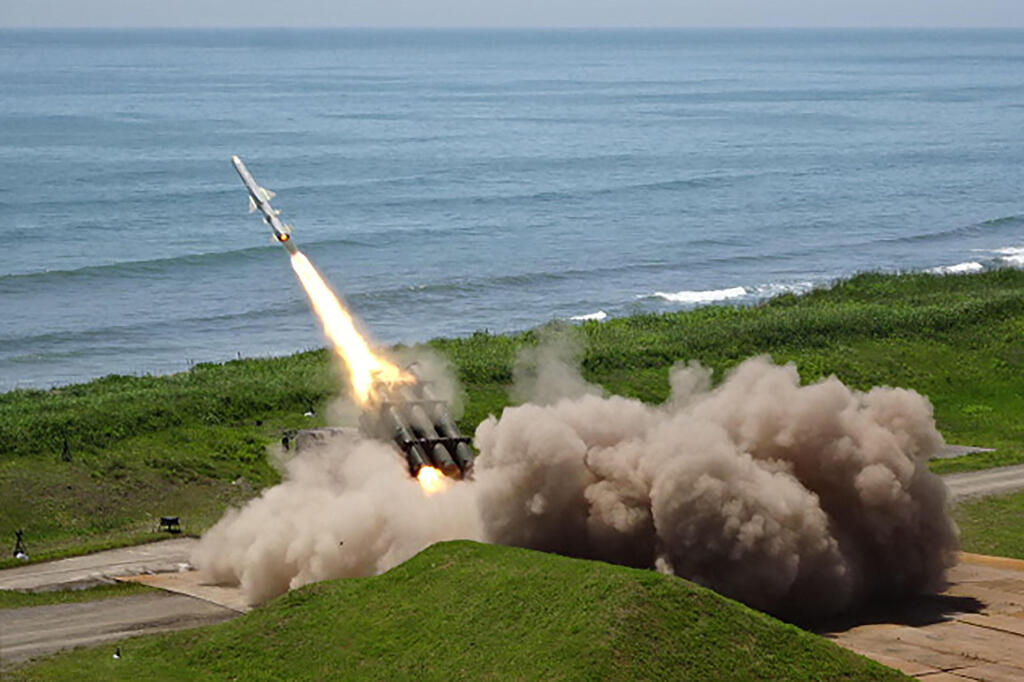
Japanese test last year of a Type 88 surface-to-ship missile
(Photo: Handout / JAPAN GROUND SELF-DEFENSE FORCE (JGSDF) / AFP)
Japanese government spokesman Minoru Kihara said after the announcement of the new central intelligence agency that Tokyo recognizes the rising need to confront foreign intelligence activity.
“We understand that in a rapidly changing security environment, there is a growing need to deal with foreign intelligence activities, such as the acquisition of sensitive information, that threaten Japan’s national security,” Kihara said. He added that Tokyo “must handle this issue with great rigor.” Akihisa Shiozaki, a lawmaker from the ruling Liberal Democratic Party, said Japan was addressing the issue with a “sense of crisis.”
The new intelligence agency is only one of many steps Takaichi is advancing as part of a broader strengthening of Japan’s military and security capabilities. Takaichi, who has taken a hard line toward China and angered Beijing when she said an invasion of Taiwan could lead to a Japanese military response, is also promoting a major increase in the defense budget. The budget approved in December stands at 9 trillion yen ($57 billion), a jump of almost 10% from the previous annual budget.
Takaichi has also called for amending Article 9 of Japan’s constitution, which effectively bars the country from taking part in wars. She has canceled rules limiting the sale of lethal weapons to other countries, a move aimed at strengthening Japan’s defense industry. Japan has also recently begun deploying long-range missiles capable of striking Chinese territory.