

Ukraine released dramatic footage Friday showing the June 29 bombing in Monaco that wounded Ukrainian-born tycoon Vadym Yermolaiev, his partner and their 13-year-old son.
The video emerged a day after Yermolaiev publicly accused serving and former officers in Ukraine’s military intelligence agency of involvement in the attempted assassination, an allegation the agency denies.
Video captures Monaco bomb attack as tycoon accuses Ukrainian intelligence


Footage recovered by Ukraine’s Security Service shows a woman leaving a bag at the entrance to a luxury residential complex. A man wearing shorts, a woman in a light-blue dress and a boy approach the building shortly afterward, before a powerful explosion tears through the entrance.
The woman suspected of planting the device, 39-year-old Anastasiia Berezovska, became known as the “woman in the black hat” as authorities launched an international search for her.
Ukrainian authorities arrested two men suspected of killing her: Vladyslav Reut, identified in court proceedings as an officer in Ukraine’s military intelligence agency, and Vitalii Zhykovych, a former law enforcement officer.
Investigators are also examining their suspected roles in planning the Monaco attack and recruiting Berezovska.
The explosion shocked Monaco, a principality known as a residential and leisure center for some of the world’s wealthiest people. Prince Albert II condemned it as an “odious act.”
Suspects allegedly installed camera
“We managed to recover a key piece of evidence that the suspects attempted to destroy,” Ukrainian Prosecutor General Ruslan Kravchenko said.
According to Kravchenko, the footage was recorded by a surveillance camera allegedly installed by those behind the attack to confirm that the bombing had been carried out.
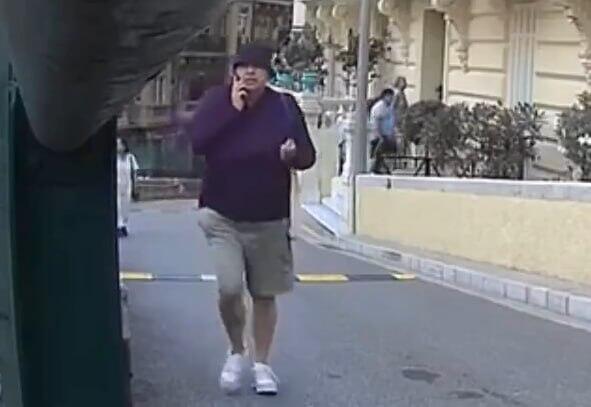
The remotely detonated explosive was placed at the entrance to the family’s apartment building. It wounded Yermolaiev, 58, his partner and their teenage son.
Yermolaiev, who was born in Ukraine and now holds Cypriot citizenship, issued his first public statement about the attack Thursday through his lawyers.
“Based on the evidence, there is no doubt that serving officers of the Main Intelligence Directorate of Ukraine’s Defense Ministry were directly involved in this assassination attempt,” he alleged.
He did not publicly provide evidence establishing that the agency’s leadership had ordered or approved the attack.
Ukraine’s military intelligence agency has denied institutional involvement and described the accusations as politically motivated.
Intelligence officer blames alleged accomplice
During a Kyiv court hearing, Reut claimed Zhykovych was responsible for Berezovska’s killing.
Prosecutors allege the two men forced her into a vehicle at gunpoint, drove her to a forest near the village of Yuriv, about 60 kilometers west of Kyiv, and murdered her.
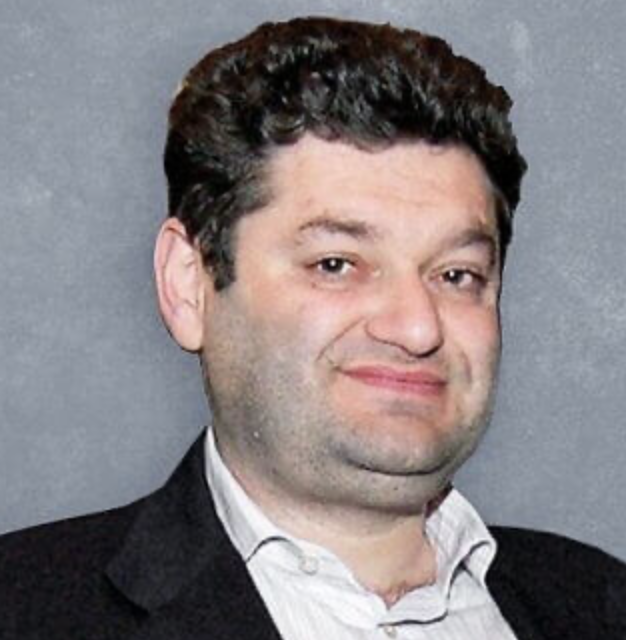
Vadym Yermolaiev
Ukrainian prosecutors have presented the case as the alleged independent actions of individuals who concealed their connections to Berezovska and acted without the knowledge or authorization of intelligence leaders.
Yermolaiev rejected that account. “The criminal connection extended beyond the direct perpetrators and organizers and also involved serving GUR officers connected to them, including people close to the organization’s current and former leadership,” he alleged.
“The force of the explosion was sufficient to tear apart steel railings and destroy the stone steps outside our home. This was not a warning. It was an attempt to murder not only me but also members of my family.”
Motive remains unclear
A definitive motive for the bombing has not been established.
Ukraine imposed sanctions on Yermolaiev in 2023, accusing him of continuing to conduct business in Russian-controlled Crimea and contributing millions of dollars in taxes to the Russian state. Forbes previously estimated his fortune at approximately $220 million.
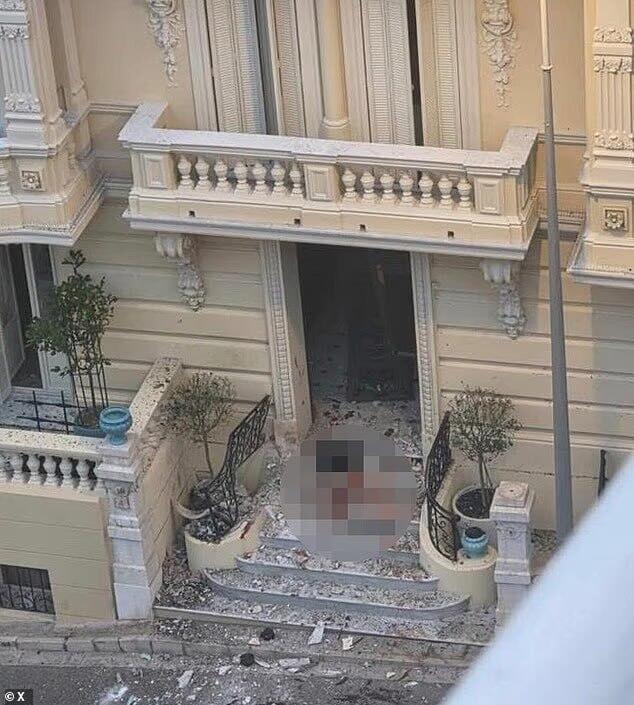
Aftermath of the explosion
Yermolaiev has disputed allegations concerning his business activities and has condemned Russia’s occupation of Ukrainian territory.
Investigators have also examined a possible organized-crime motive connected to alleged financial fraud operations. No public evidence has yet established a connection between those allegations and the Monaco bombing.
The case could become politically damaging for Ukrainian President Volodymyr Zelenskyy should evidence emerge that senior intelligence officials knew of or authorized an attack on European soil.
For now, the allegation of institutional involvement remains unproven, while investigations continue in Ukraine and Monaco into who ordered the bombing and why its suspected perpetrator was killed days later.