

Tehran says no meeting is planned between Iranian and U.S. officials during talks in Islamabad, even as the White House said President Donald Trump’s envoys Steve Witkoff and Jared Kushner were set to travel to Pakistan for direct discussions with Iranian representatives.
Iranian Foreign Ministry spokesman Esmaeil Baqaei said in a post on X that Foreign Minister Abbas Araghchi had arrived in Pakistan for an official visit, but denied that any direct meeting with U.S. officials was scheduled.
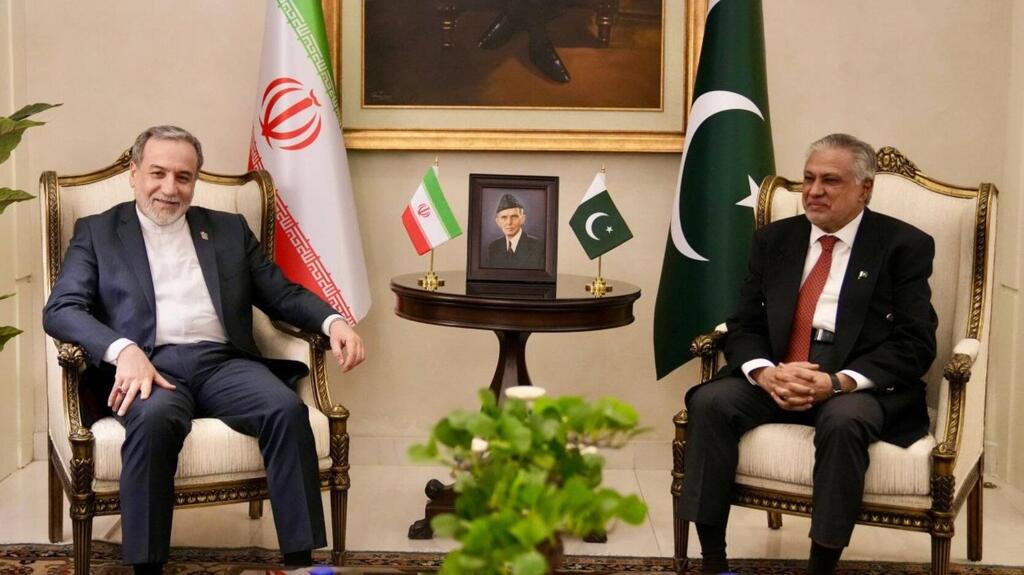
“We arrive in Islamabad, Pakistan, for an official visit. FM Araghchi will be meeting with Pakistani high-level officials in concert with their ongoing mediation & good offices for ending the American-imposed war of aggression and the restoration of peace in our region.
No meeting is planned to take place between Iran and the U.S. Iran's observations would be conveyed to Pakistan.”
The statement appeared to contradict the White House’s account of the diplomatic push, after press secretary Karoline Leavitt said Friday that Witkoff and Kushner would leave Saturday for Pakistan to meet Iranian negotiators through Pakistani mediation.
“Special Envoy Witkoff and Jared Kushner will be off to Pakistan again tomorrow morning to engage in direct talks intermediated by the Pakistanis… with representatives from the Iranian delegation,” Leavitt said in an interview with Fox News.
“The Iranians reached out… and asked for this in-person conversation. The President is dispatching Steve and Jared to go hear what they have to say, and we’re hopeful that it will be a productive conversation and hopefully move the ball forward towards a deal,” she added.
Leavitt did not say which Iranian officials the U.S. envoys would meet. Her remarks appeared to refer to Araghchi, who landed in Islamabad on Friday evening. Baqaei’s post, however, said Tehran’s messages would be passed to Pakistani officials rather than conveyed in a direct Iranian-U.S. meeting.
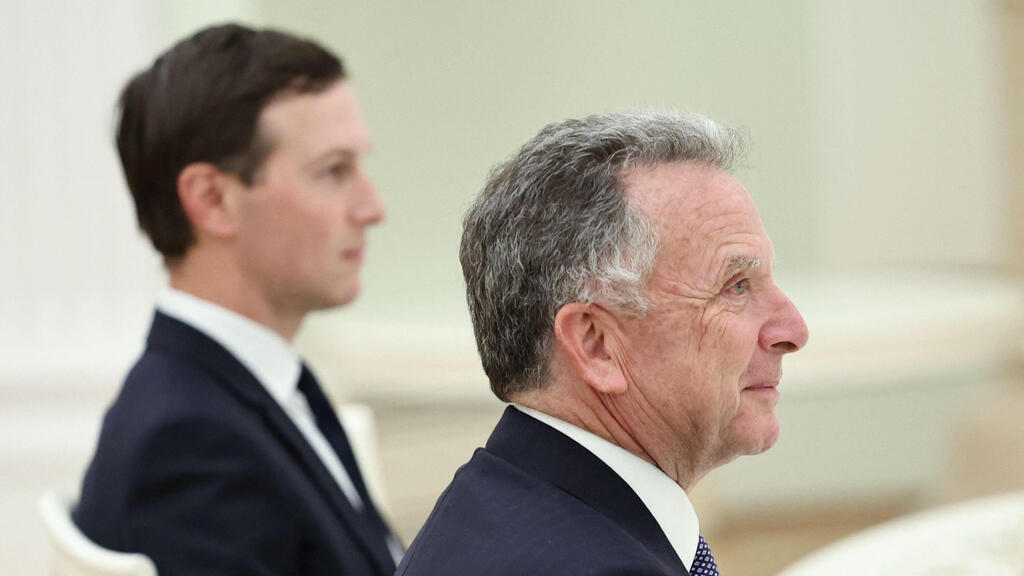
Jared Kushner and Steve Witkoff
(Photo: Alexander Kazakov/ AFP)
The conflicting accounts came amid renewed efforts to revive negotiations aimed at ending the war, with Pakistan serving as mediator. The first round of talks in Islamabad earlier this month was led on the U.S. side by Vice President JD Vance. His Iranian counterpart was parliament speaker Mohammed Bagher Ghalibaf, who did not travel with Araghchi this time.
Vance was not expected to join Witkoff and Kushner on the trip, though CNN reported that he would remain on standby to fly to Islamabad if the talks advance.
Araghchi said Friday on X that he was embarking on visits to Pakistan, Oman and Russia to coordinate with partners on bilateral issues and consult on regional developments. He said Iran’s neighbors remained Tehran’s priority, despite Iran having fired relentlessly at many of them during the war.
Two Pakistani government sources familiar with the discussions said Araghchi’s visit would be brief and focused on Iranian proposals for renewed talks with Washington. Pakistan would then relay those proposals to the United States.
Trump suggested in a phone interview with Reuters that Iran was preparing to submit a proposal.
“They’re making an offer, and we’ll have to see,” Trump said.
Speaking around the same time, U.S. Defense Secretary Pete Hegseth said Iran still had an opportunity to reach a “good deal” with Washington.
“Iran knows that they still have an open window to choose wisely … at the negotiating table. All they have to do is abandon a nuclear weapon in meaningful and verifiable ways,” he said.
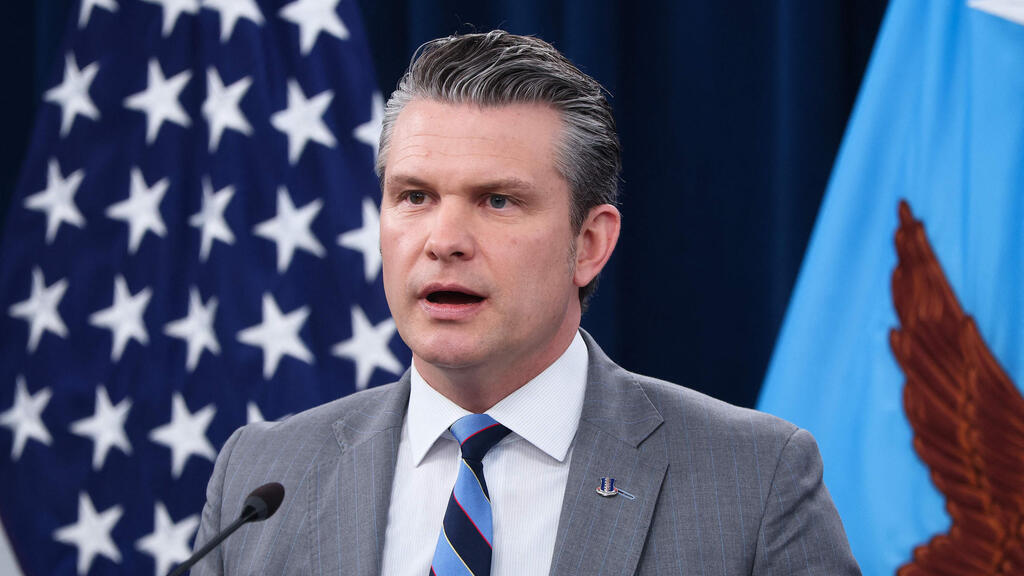
US Defense Secretary Pete Hegseth
(Photo: Anna Moneymaker/Getty Images/AFP)
Reports in Iranian state media and comments from Pakistani sources made no mention of Ghalibaf, who headed Iran’s delegation during the first round of talks.
Pakistani sources had earlier said a U.S. logistics and security team was already in Islamabad in preparation for possible talks.
A previous round of peace talks had been expected on Tuesday, but did not take place. Iran said it was not yet ready to commit to attending, and the U.S. delegation, led by Vance, never left Washington.
Trump unilaterally extended a two-week cease-fire Tuesday at the last minute, giving negotiators more time to reconvene.
U.S. said it is preparing battle plans for Strait of Hormuz
As the diplomatic effort continued, CNN reported Friday that the U.S. military was drafting new battle plans targeting Iranian capabilities in and around the Strait of Hormuz.
Citing sources familiar with the matter, the network said the Pentagon was examining several strike options, including attacks on Iranian targets around the Strait of Hormuz, the southern Arabian Gulf and the Gulf of Oman.
The potential targets include assets that have helped Iran maintain leverage over the strategic waterway, among them the Islamic Revolutionary Guard Corps’ fast attack boat fleet and vessels used to lay mines, according to the report.
Trump appeared to refer to the plans on Thursday, saying the U.S. Navy would “shoot and kill” any boat mining the Strait of Hormuz.
The IRGC’s fast attack boats reportedly survived the heavy U.S. and Israeli bombing campaigns that destroyed much of Iran’s conventional navy. The boats are often equipped with mounted machine guns and can be used in mining operations, although the United States has not confirmed that Iranian ships have been laying mines in the strait.
Hegseth warned Friday that any Iranian attempt to lay mines in the waterway would be considered a violation of the cease-fire and would draw a U.S. strike.
Another plan presented by military officials would target Iranian military leaders whom Washington believes are obstructing negotiations for a permanent end to the war.
Trump claimed Thursday that internal divisions in Iran were preventing Tehran from submitting a response in the cease-fire talks.
“Iran is having a very hard time figuring out who their leader is! They just don’t know!” he wrote.
“The infighting is between the ‘hardliners’ who have been losing BADLY on the battlefield, and the ‘moderates,’ who are not very moderate at all (but gaining respect!),” Trump said, calling the situation “CRAZY!”
Israel said to believe US wants deal, Iran will not make one
Prime Minister Benjamin Netanyahu’s security cabinet met Thursday night to discuss preparations for a possible resumption of fighting on the Iranian and Lebanese fronts.
According to the report, Israeli officials assessed that the United States and Iran were moving closer to renewed war. Senior officials told the network: “Trump is extending his hand and the Americans want an agreement, but there’s no one to make one with.”
The report said Israel and the United States were preparing options for swift operations in Iran that would last weeks, likely targeting energy sites and national infrastructure.
US offers $10 million for leader of Iran-backed terror group in Iraq
As the Iran talks unfolded, Kuwait’s military said two drones launched from Iraq targeted two northern border posts Friday, causing damage but no casualties.
Separately, the U.S. State Department announced a reward of up to $10 million for information on the leader of Kataeb Sayyid al-Shuhada, a Tehran-backed Iraqi group designated by Washington as a terrorist organization.
U.S. officials said in a social media post that they were seeking information on Hashim Finyan Rahim al-Saraji, also known as Abu Alaa al-Walai, the group’s leader
Washington said the group has “killed Iraqi civilians and attacked U.S. diplomatic facilities in Iraq, as well as attacking U.S. military bases and personnel in Iraq and Syria.”
The post said informants “could be eligible for relocation and a reward” for information on al-Saraji’s whereabouts.
Al-Saraji holds a seat within the Coordination Framework, the ruling Shiite alliance that controls Iraq’s parliamentary majority.