


Negotiations between the United States and Iran ended in Islamabad, Pakistan, without an agreement, after 21 hours of talks marked by deep disagreements over Tehran’s nuclear program and broader regional issues.
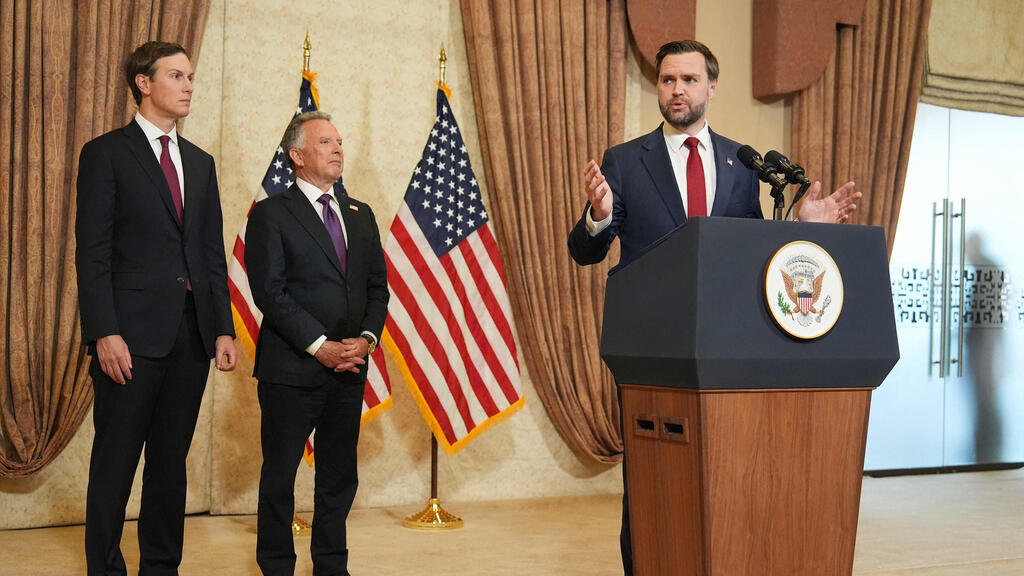
U.S. Vice President JD Vance said the nuclear issue was the central point of contention, arguing that Iran refused to commit to abandoning its pursuit of nuclear weapons capabilities.
JD Vance speaks after the negotiations with Iran
(Video: Reuters)


“We were quite flexible,” Vance said. “But the simple fact is that we need to see an affirmative commitment that they will not seek a nuclear weapon, and they will not seek the tools that would enable them to quickly achieve a nuclear weapon.”
Iranian officials and state-aligned media, however, accused Washington of making “unreasonable demands,” pointing to disputes over uranium enrichment, control of the Strait of Hormuz and the release of frozen Iranian assets.
Conflicting accounts of the breakdown
According to Iranian reports, the disagreements extended beyond the nuclear issue to include demands over the strategic Strait of Hormuz and Tehran’s right to enrich uranium.
Unnamed Iranian sources told The New York Times that key sticking points included the future of enriched uranium stockpiles, the reopening of the Strait of Hormuz and a demand to unfreeze $27 billion in Iranian funds. The sources said the United States pushed for the immediate reopening of the strait, while Iran insisted it would only agree as part of a final deal.
They also said former President Donald Trump demanded that Iran transfer or sell its stockpile of uranium enriched to 60%. Tehran submitted a counterproposal, but no compromise was reached.
Vance did not detail Iran’s specific demands but said Tehran “chose not to accept the United States’ terms.”
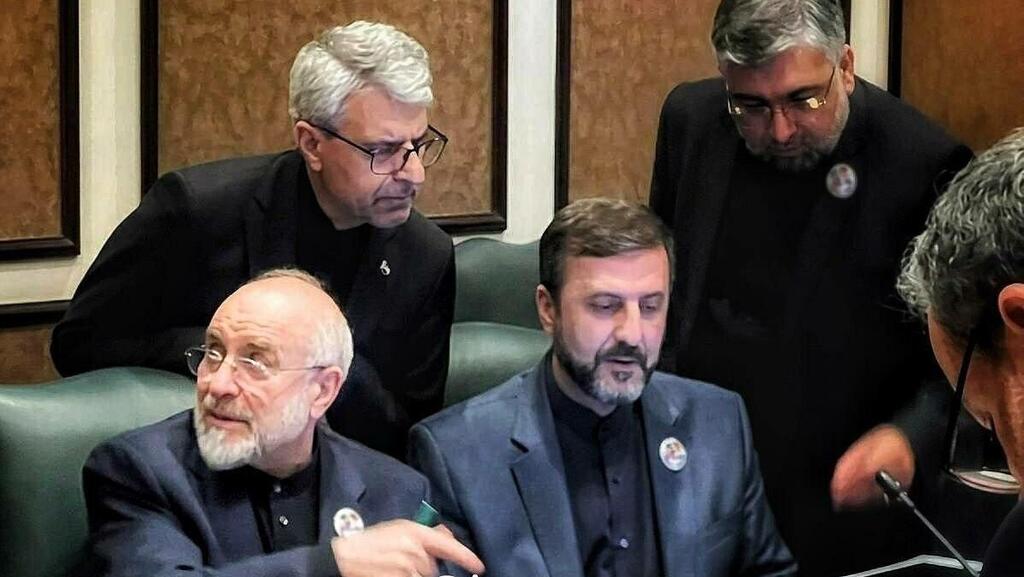
Members of the Iranian delegation in Islamabad
No immediate return to war
Despite the failure to reach a deal, both sides signaled that diplomacy is not over.
Vance left Islamabad without threatening a return to military action, saying the U.S. proposal remains on the table. “We arrived here and we are leaving with a very simple proposal, and this is our final and best offer. We will see if the Iranians accept it,” he said.
In Iran, messaging was mixed. Some unnamed sources quoted by state-affiliated outlets said there are currently no plans for another round of talks. At the same time, Iran’s Foreign Ministry spokesman said, “diplomacy will not end.”
Military analyst Ron Ben-Yishai noted that both sides have a strong interest in preserving the fragile two-week ceasefire reached earlier in April and in exhausting diplomatic options before considering escalation.
Regional pressure and next steps
Pakistan, which hosted the talks, urged both sides to maintain the ceasefire. Foreign Minister Ishaq Dar said it is “imperative that the parties continue to uphold their commitment,” adding that Islamabad will continue to facilitate dialogue.
The latest round was described by Iranian officials as the longest direct engagement between the sides, with discussions lasting 21 hours. While some progress was reportedly made on certain issues, officials said two or three major disputes ultimately prevented an agreement.
In Israel, officials said preparations are underway for a potential wide-scale strike on infrastructure and energy targets, underscoring the broader regional stakes if diplomacy fails.
For now, the talks have ended without a deal, but neither Washington nor Tehran has fully closed the door on another round.