


Prime Minister Benjamin Netanyahu ignored a 9 p.m. deadline imposed Monday by Likud’s internal tribunal to reveal the candidates he intends to place in reserved positions on the party’s Knesset slate, escalating an internal dispute just hours before Israel’s election filing process enters its final day.
Despite the tribunal’s warning that continued delay could open the way to a secret ballot in Likud’s party secretariat, Netanyahu did not publish the names by the deadline.
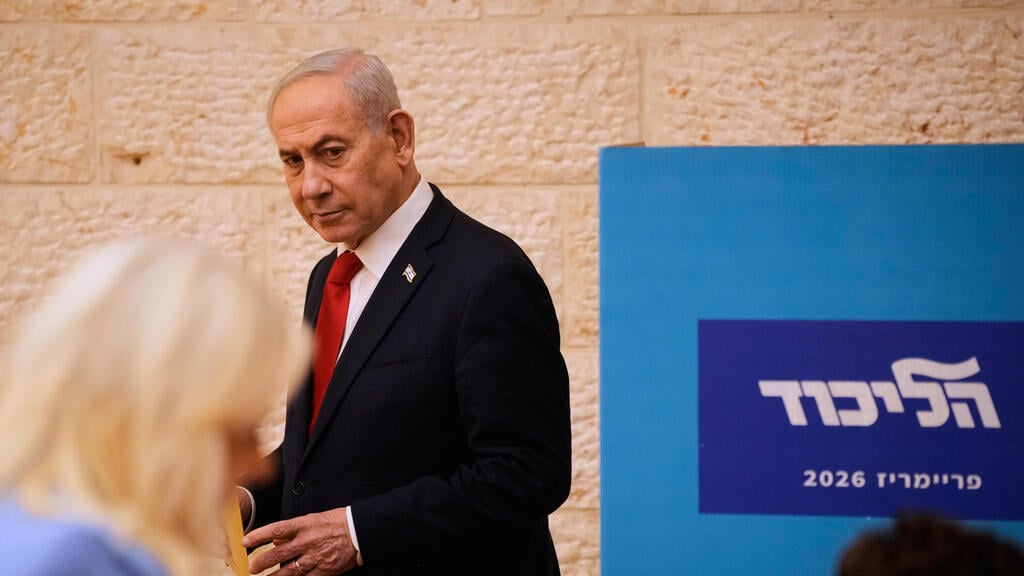
Likud sources told ynet that Netanyahu had “no intention of allowing such a vote.”
Instead, Netanyahu, through Likud legal adviser Ilan Bombach, said he intends to release the list of reserved candidates Tuesday morning, arguing that this would still give secretariat members “several sufficient hours” to review the proposal before voting.
The party secretariat meeting, originally scheduled for 11 a.m. Tuesday, has meanwhile been postponed to 2 p.m., and even that time is not considered final. Parties have until 10 p.m. Tuesday to submit their final candidate lists to the Central Elections Committee.
Netanyahu rejects tribunal timetable
The Likud tribunal had ordered Netanyahu to publish his proposed reserved slots by 9 p.m. Monday, warning that releasing the names only shortly before the vote could appear to be an improper last-minute maneuver.
The tribunal said that if Netanyahu failed to comply, Likud’s legal adviser would have to explain why the delay should not be treated as implicit consent to a secret ballot without the usual requirement that 10% of secretariat members first request one.
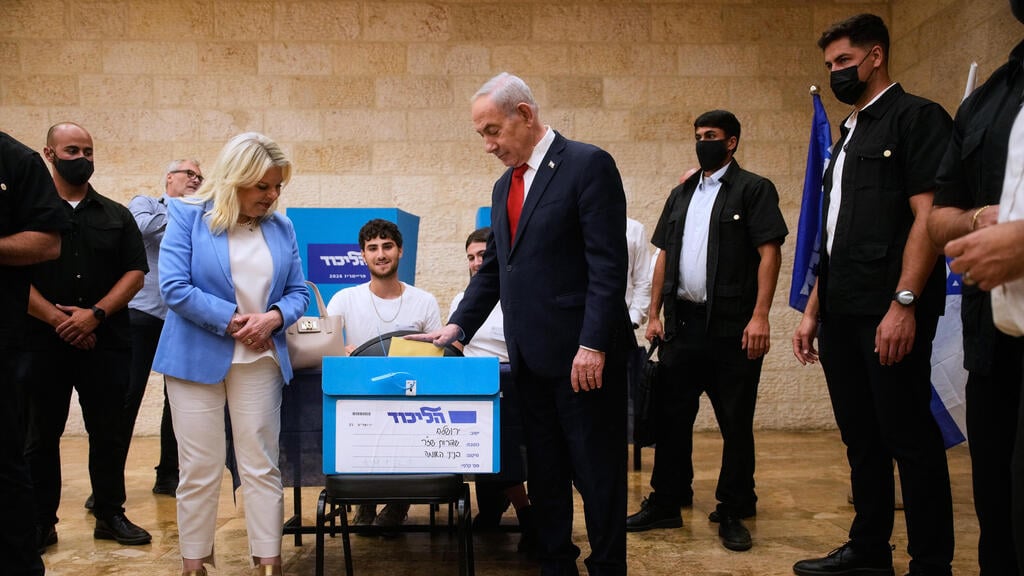
Netanyahu votes in the Likud primaries
(Photo: AP Photo/Ohad Zwigenberg, Pool)
Such a ballot could allow party officials to reject individual reserved placements.
Bombach sharply criticized the tribunal’s handling of the case.
“Only 115 minutes were allocated to study a petition of dozens of pages and its appendices, receive instructions, clarify the facts, formulate a position and submit a legal response,” he wrote.
He said the timetable was “unreasonable and disproportionate” and argued that it materially impaired Likud’s ability to present its case.
Bombach also objected to the fact that the tribunal issued its decision without first requesting Likud’s response and said the ruling created a new practical consequence concerning the secretariat’s voting procedure.
“This response is therefore being submitted under protest, solely out of caution, without exhausting the respondent’s arguments or waiving any procedural or substantive claim,” he wrote.
Court warned against a last-minute ‘ambush’
Earlier Monday, tribunal member Yitzhak Bam acknowledged that unusual political circumstances could justify deviating from the normal requirement that secretariat members receive 48 hours’ notice before voting on reserved candidates.
But he said the justification for further delay had weakened because some of the parties affecting Netanyahu’s political calculations had already submitted their slates to the Central Elections Committee.
“If the movement chairman intends to use reserved slots, the proposal regarding them should be published promptly,” Bam wrote.
He said the 48-hour period was designed to allow secretariat members to consider the proposed appointments and decide whether to seek a secret ballot.
“Publishing a proposed decision a short time before the vote could be interpreted as an improper ambush,” he wrote.
Netanyahu nevertheless appears determined to wait until close to the last possible moment.
Still searching for a ‘game changer’
The dispute over timing comes as Netanyahu has yet to finalize all the candidates he wants to add to the Likud slate.
He has already held talks with potential recruits, and one prospective candidate has reportedly even filmed campaign material. The video has not been released because Netanyahu has still not made a final decision.
Behind the delay is not only Netanyahu’s longstanding preference for making political decisions at the last moment. Likud officials say he has so far failed to secure a recruit who would be considered a genuine electoral “game changer.”
Senior ministers and members of Netanyahu’s immediate circle, including his wife Sara and son Yair, have been pressing him to choose figures firmly identified with the political right.
One concern repeatedly raised in those discussions is the possibility of the rival blocs ending the election tied, with Netanyahu’s allies seeking assurances that none of his personally selected candidates could later cross political lines and provide the opposing bloc with a decisive 61st Knesset seat.
So far, Netanyahu has announced only a handful of protected placements.
Oren Dobronsky is the only figure brought in from outside the existing political list, while Gideon Sa’ar, Haim Katz and Israel Katz have also been guaranteed places. MK Michel Buskila, a close ally of Sa’ar, is expected to receive another slot under the agreement with New Hope.
Senior Likud officials say attorney David Peter is among the candidates considered most certain to receive a reserved position.
Peter, a lawyer and researcher at the conservative Kohelet Policy Forum, has represented the government in several High Court petitions as well as National Security Minister Itamar Ben Gvir.
Netanyahu is also considering Prof. Keren Assayag, although some people around him reportedly oppose the choice, viewing it as a political gamble with limited electoral value.
With the Central Elections Committee deadline approaching Tuesday night, Netanyahu now has only hours to resolve both the identity of his remaining recruits and the growing internal fight over how Likud will approve them.