

Israel is increasingly frustrated by what it sees as insufficient Lebanese action to disarm Hezbollah. Israeli officials warn that the terrorist group is rebuilding “on all fronts” and are sending an explicit message that Israel will not “wait forever.”
Still, Israel is effectively holding off on any major move while awaiting approval from the person seen as having the final word, U.S. President Donald Trump, who does not want escalation to derail the regional “peace” he has been promoting.
Gallery
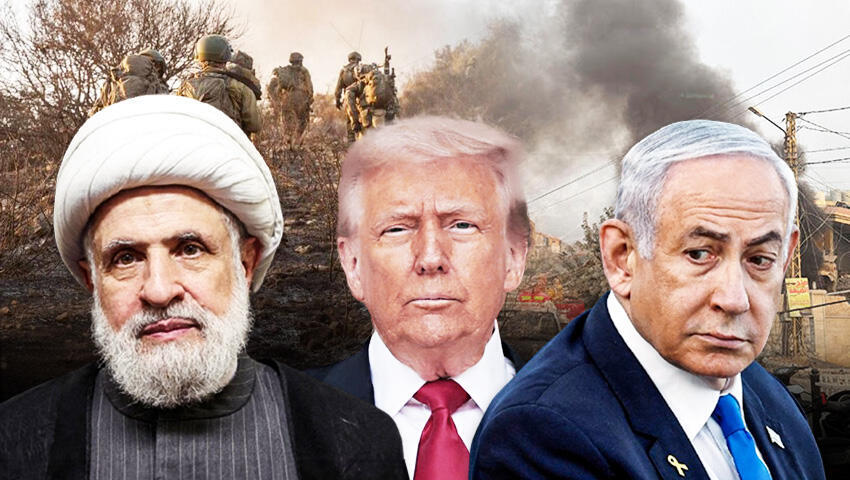
Naim Qassem, Donald Trump, Benjamin Netanyahu
(Photo: IDF, Amir Cohen/ Reuters, Jessica Koscielniak/ Reuters)
The United States has asked Israel to give Lebanon more time to complete the demilitarization of southern Lebanon, meaning the area south of the Litani River. U.S. officials told Lebanon that if it does not act now, Washington will not be able to stop Israel from acting on its own. Israel’s message to the Americans, and through them to Lebanon, is that it will not wait indefinitely, and that a more forceful operation remains among its options.
Israeli assessments hold that the Lebanese government wants to disarm Hezbollah but lacks the ability to do so, given Hezbollah’s threat of internal confrontation, including the risk of renewed civil war if disarmament is imposed by force. Lebanon’s army is constrained by the country’s deep economic crisis. Even after Beirut allocated additional funds, the military has struggled to expand recruitment. Meanwhile, despite the heavy blows Hezbollah suffered in the war with Israel that ended in a ceasefire just over a year ago, the terrorist group still retains significant power in Lebanon, especially in the south, and is now working to restore its capabilities.
Senior Israeli officials say they see Hezbollah beginning a rebuilding process across multiple arenas. They also point to what they describe as a renewed flow of Iranian money to the terrorist group. Israeli officials say Lebanon has blocked direct flights from Iran, but Tehran is still managing to funnel funds to Hezbollah, primarily through Turkey.
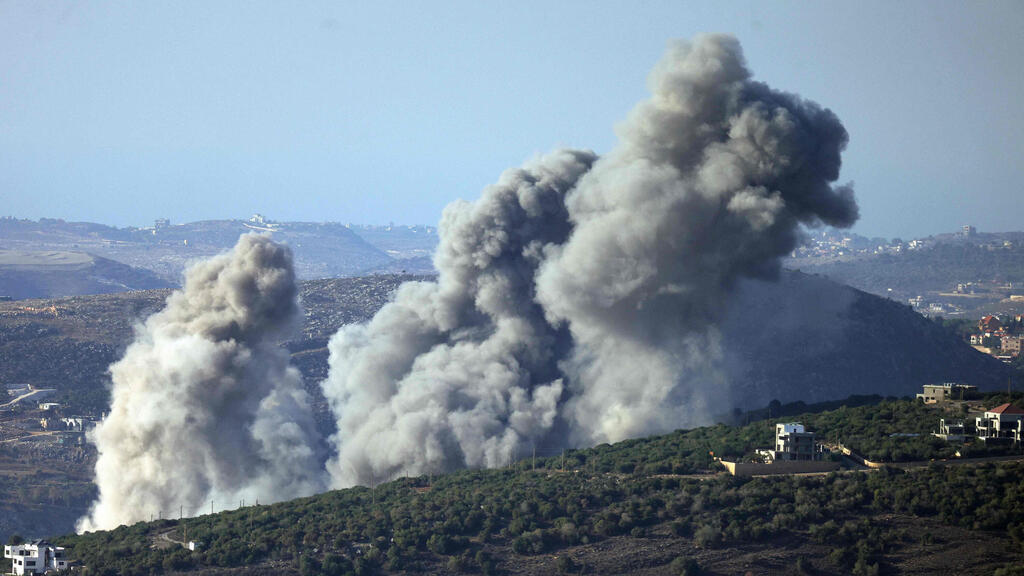
Israeli strike in Lebanon
(Photo: Rabih Daher/ AFP)
Lebanese officials have told the Americans they have succeeded in disarming roughly 80% of the area south of the Litani. Israel does not believe Lebanon will meet Washington’s deadline to complete disarmament by the end of the year. Israel has agreed to open civil talks with Lebanon, and another meeting is expected next week, but tensions are rising. The issue is expected to be discussed when Prime Minister Benjamin Netanyahu meets Trump in Florida at the end of the month, where it should become clear whether Israel has a U.S. green light for a stronger move in Lebanon.
Syria is also expected to be central to the Netanyahu Trump meeting. The Trump administration wants progress toward a security arrangement with Syrian interim President Ahmad al Sharaa, amid a deadlock over Israel’s demand that southern Syria be demilitarized. Israel is seeking guarantees to preserve a humanitarian corridor for Druze communities in Sweida province, while Syria opposes any step it views as infringing on sovereignty. Officials are now looking for a mechanism that would ensure the free flow of humanitarian aid to the Druze.
Syrian officials have expressed readiness in principle for demilitarization south of Damascus, but Israel’s concern is enforcement. Israeli officials say Sharaa’s forces have limited capacity. Syria is demanding that Israel withdraw from five points in the area, while Israel says it will not pull back until it is confident demilitarization is real and humanitarian access to the Druze is guaranteed.
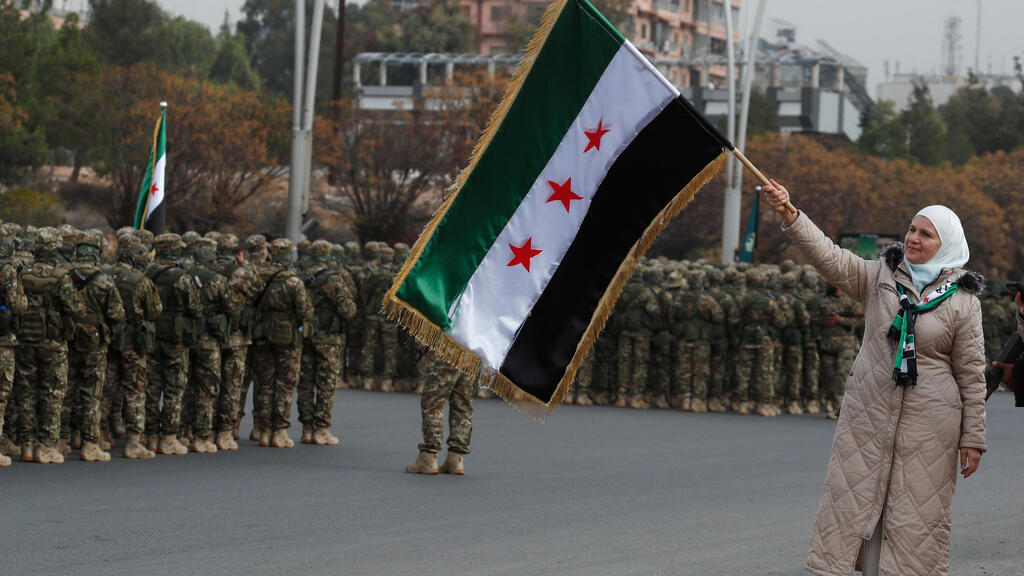
Syria celebrates a year to Bashar al-Assad's fall
(Photo: Omar Sanadiki/ AP)
A senior Israeli official said Israel has also become attached to its presence on the Syrian side of Mount Hermon, describing it as a major strategic asset, and is in no rush to leave. Israel fears Trump may try to push understandings on Syria that include an Israeli withdrawal.
U.S. envoy for Syria and Lebanon Tom Barrack is due to arrive in Israel next week. He is expected to meet Netanyahu and apologize for remarks that sparked anger in Jerusalem, including his statement that “Israel can claim it is a democracy,” but that in the region what has worked best is a “benevolent monarchy.” Netanyahu has already voiced displeasure about those comments in a meeting this week with U.S. Ambassador to the United Nations Mike Waltz, calling Barrack’s remarks unacceptable and accusing him of advancing Turkish interests in the region.