

Efforts continued overnight to evacuate hundreds of foreign tourists stranded on Yemen’s remote Socotra island after flights to and from the island were suspended amid renewed internal fighting in southern Yemen.
According to reports from the Indian Ocean island, at least 416 foreign tourists are currently stranded on Socotra, including more than 60 Russians, as well as British, French, American, Chinese and Polish citizens. A Western diplomat told Agence France-Presse that dozens arrived to celebrate the New Year and were left stuck after all flights were abruptly canceled.
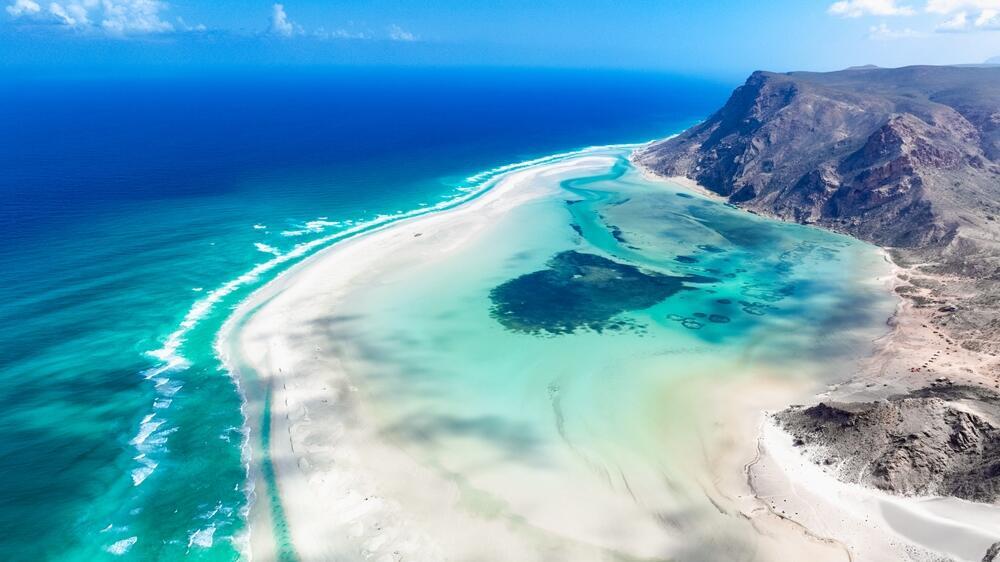
Tourists have since turned to their embassies for assistance, while diplomatic missions are pressing Saudi Arabia and Yemen to help arrange evacuations.
Yemen has been mired in civil war since 2014, when Iran-backed Houthi rebels seized the capital, Sanaa, and forced the internationally recognized government to flee south to Aden. A Saudi-led coalition, joined by the United Arab Emirates, failed to defeat the Houthis, leaving Yemen divided between a Houthi-controlled north and a fragmented south run by rival anti-Houthi factions.
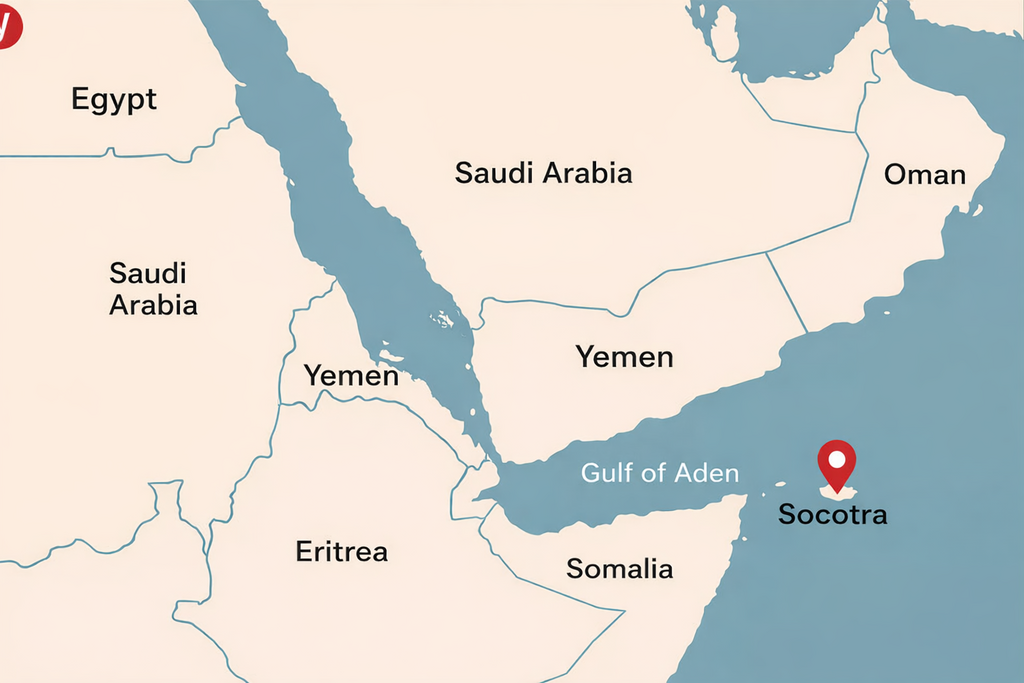
Socotra
(Photo:)
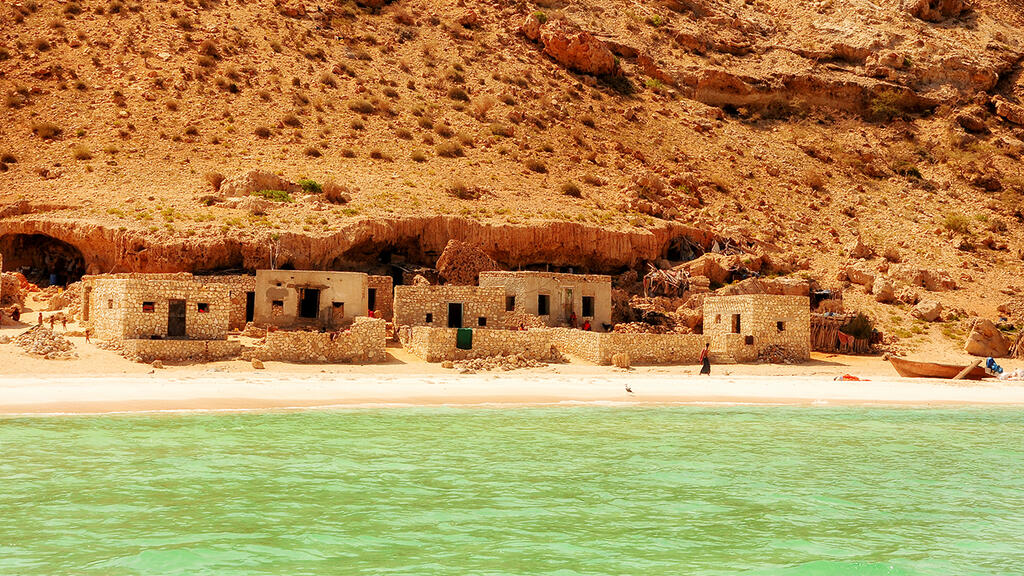
Socotra island seized by separatists also fighting the Houthis
(Photo: Shutterstock)
Last month, separatist forces from the Southern Transitional Council, or STC, which is backed by the UAE, launched an offensive and seized two major districts from Saudi-backed government forces. Saudi Arabia responded in recent days with airstrikes against STC positions and an Emirati weapons shipment, rolling back much of the group’s gains.

(Photo: Shutterstock)
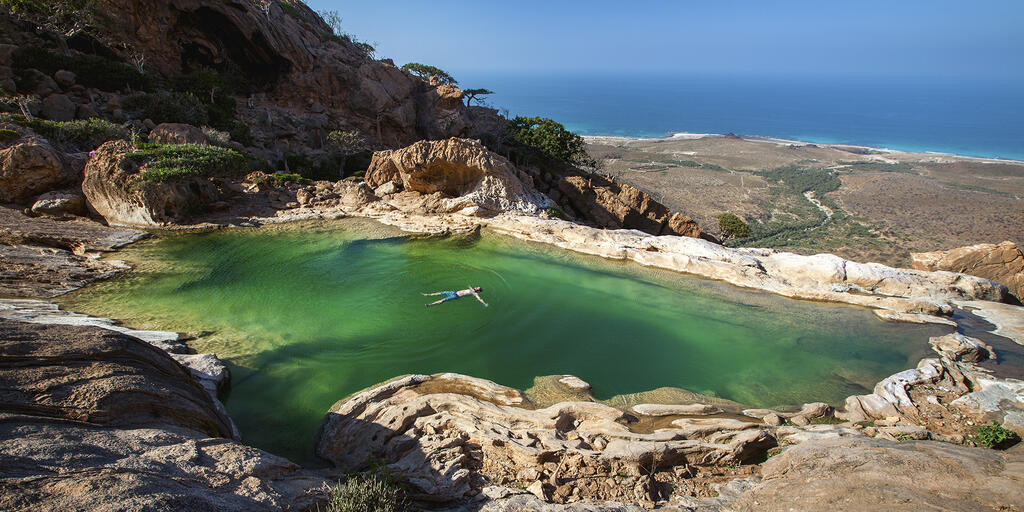
(Photo: Shutterstock)
Although the UAE has announced a drawdown of its forces in Yemen, tensions remain high. The STC has said it intends to hold a referendum on self-rule for southern Yemen, a move that would include Socotra, which has been under STC control since 2020. The UAE maintains significant economic influence on the island, and some analysts view it as Socotra’s de facto ruler.
Flight disruptions across southern Yemen in recent weeks have also affected the Socotra route, leaving tourists unable to depart. An American tourist who asked to remain anonymous for security reasons told CNN that conditions on the island are physically safe, but uncertainty is taking a toll.
“We don’t know when we’re going home,” he said.
A Dutch-Polish tourist, Harrit van Wingerden, told CNN he and his family planned to stay for one week but have now been on the island for 11 days.

(Photo: Dave Primov/shutterstock)
(Photo: Shutterstock)
“Many planes arrive, but none leave,” he said. Some tourists are now seeking alternative escape routes, including boats to Oman, followed by onward flights to Europe or the United States.
While food and basic supplies remain available, frustration is mounting. Although Aden’s airport resumed operations this week, officials estimate it could take several more days to clear the backlog of stranded travelers.
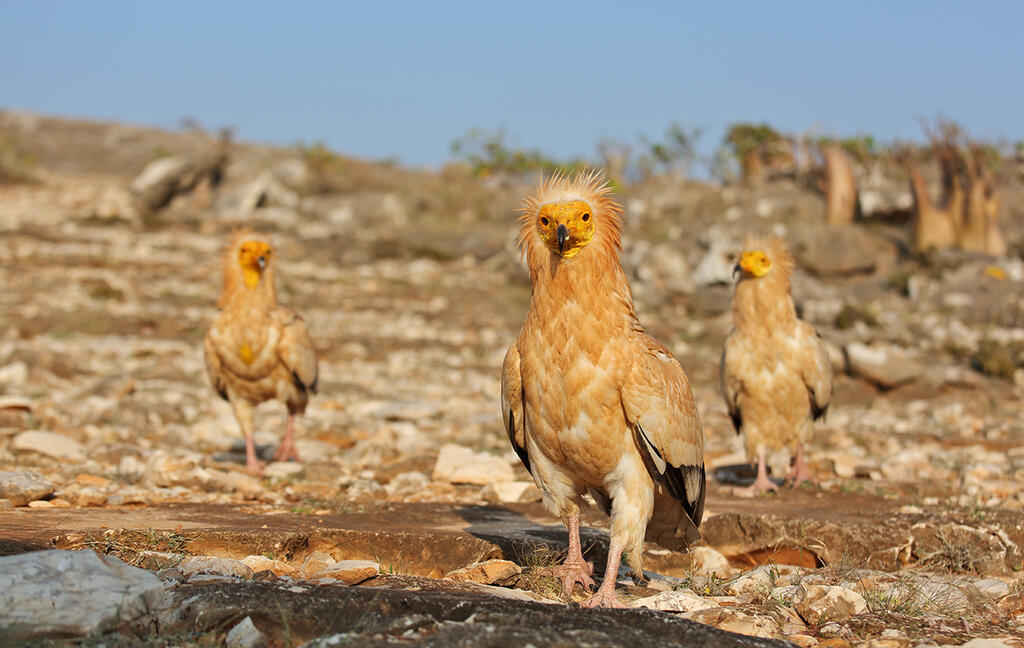
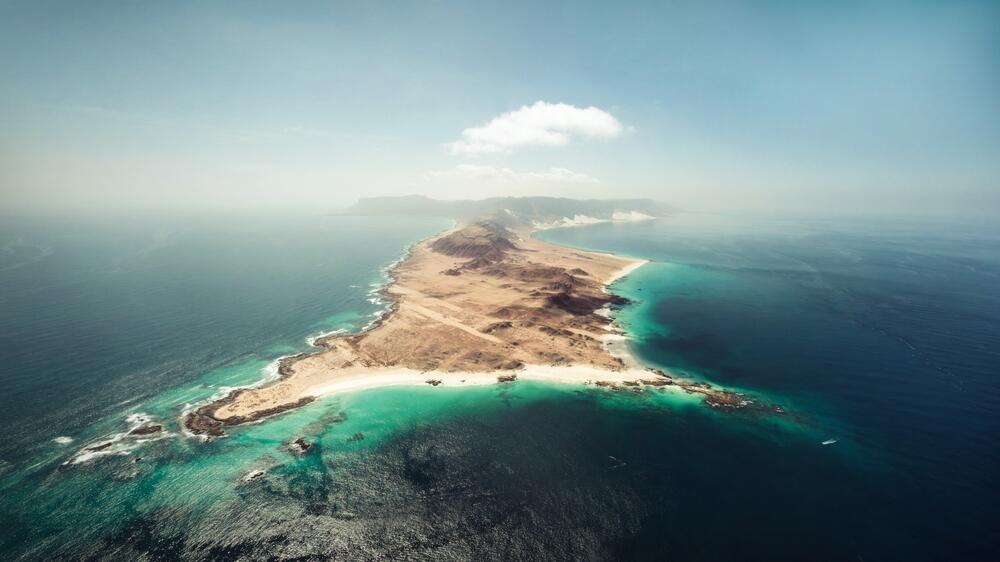
Socotra lies about 350 kilometers, or 220 miles, off Yemen’s mainland, near the Horn of Africa, overlooking the Bab el-Mandeb Strait, a strategic shipping lane linking the Red Sea with the Gulf of Aden and the Arabian Sea. Its extraordinary biodiversity has earned it the nickname “the Galapagos of Yemen.”

(Photo: Shutterstock)
(Photo: L_B_Photography/ Shutterstock)
The island is famed for the dragon’s blood tree, whose umbrella-shaped canopy and red sap are found nowhere else. About 300 of the island’s 900 plant species are endemic. Socotra is home to roughly 50,000 residents and remained largely untouched by Yemen’s war for most of the conflict.
Long isolated, the island began to open up after Yemeni unification in 1990 and the construction of an airport in 1999. In recent years, mobile phones, satellite dishes and other signs of modernization have spread, alongside schools, clinics and motorboats.
Despite these changes, many residents maintain traditional ways of life and speak Soqotri, an ancient, unwritten language older than Arabic.