


Lebanon’s government on Friday approved a plan allowing the army to begin centralizing weapons under state control, a move that could eventually lead to disarming Hezbollah, but decided to keep the plan’s contents secret, Information Minister Paul Morcos said.
The Iran-backed Shi’ite group and its allies opposed the plan. All five Shi’ite ministers walked out of the cabinet session when Lebanese army commander Rodolphe Haykal entered to present it, highlighting potential domestic tensions over Hezbollah’s arsenal, which it has consistently refused to relinquish.
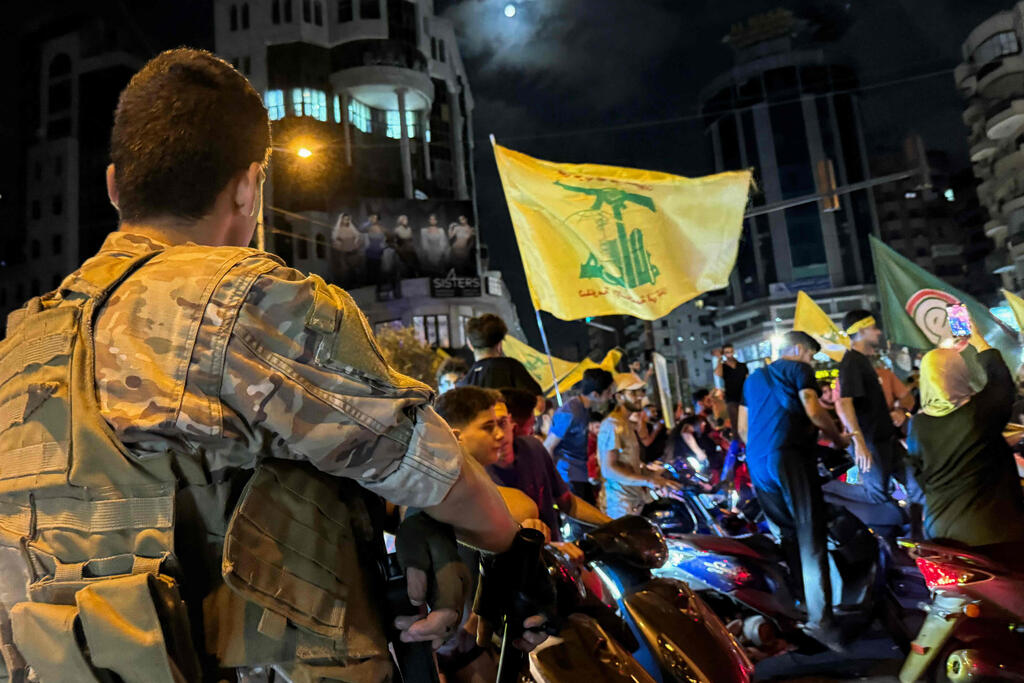
Morcos said the army would implement the plan “according to available capabilities” and submit monthly reports to the government. He stressed that the program is military, not political, and that the army retains discretion in executing it based on operational conditions, including potential Israeli strikes.
The session lasted several hours and the plan was the most covered topic. Lebanese Labor Minister Muhammad Haydar of Hezbollah questioned whether Lebanon should take steps while Israel provides no guarantees. Morcos said the five ministers “did not boycott the government and we will meet with them in the coming days.”
Internal tensions
Officials and analysts warn that giving the army responsibility for disarming Hezbollah could trigger internal confrontations, turning the conflict with Israel into a domestic dispute. Lebanese Parliament Speaker Nabih Berri said this week that Israel’s refusal to withdraw from Lebanese territory makes it unacceptable to put the burden on the army, and that any discussion of Hezbollah’s weapons should follow Israeli withdrawal and take place without external pressure.
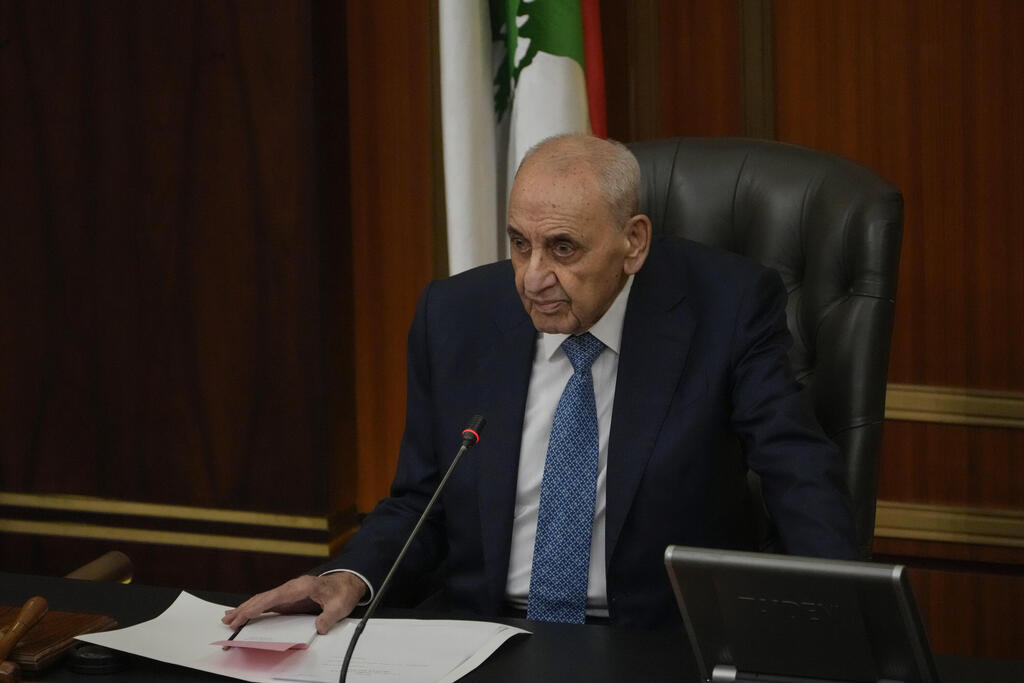
Lebanese Parliament Speaker Nabih Berri
(Photo: AP Photo/Hussein Malla)
Hezbollah strongly opposes disarmament, which would come after a long conflict with Israel that decimated much of its leadership and left thousands of operatives wounded. While its power in Lebanon has weakened, the group still possesses a substantial arsenal, including precision missiles, thousands of rockets, and drones, some domestically produced after the fall of Syria’s Assad regime cut off land-based smuggling routes.
A longstanding plan
The army’s plan to centralize weapons under state control traces back to the new government’s ministers’ declaration and, historically, to the Taif Agreement that ended Lebanon’s civil war. It is part of a broader effort to restore state authority after years of weak institutions and fits into a U.S.-backed initiative to regulate security relations between Israel, Lebanon and Syria. Hezbollah, part of the government, participated in the decision but insists that discussions about its weapons remain within the context of a national defense strategy and refuses to proceed as long as Israel does not fully implement the ceasefire agreement.
Waiting on Israel
U.S. envoy for Syria and Lebanon, Thomas Barrack, has been pressing Beirut to disarm Hezbollah and other armed groups. In return, Israel is expected to reduce attacks in Lebanon and withdraw forces from areas it still occupies despite the ceasefire reached nearly a year ago.

(Photo: ANWAR AMRO / AFP)
Morcos said after Friday’s session that “any progress in implementing the U.S. document depends on other parties, chiefly Israel.” He added that the government approved the objectives of the document and the army prepared its plan, but Israel has shown no commitment.
Last month, Prime Minister Benjamin Netanyahu’s office said Israel is “ready to support Lebanon in its efforts to disarm Hezbollah and work together toward a safer and more stable future for both countries. If Lebanese security forces take steps to disarm Hezbollah, Israel will take reciprocal measures, including a gradual reduction of IDF presence in coordination with the U.S.”