

The Trump administration has quietly rescinded a policy tying federal disaster funds to opposition to boycotts of Israeli companies.
Until Monday, the U.S. Department of Homeland Security (DHS) required states to certify that they would not cut business ties with firms operating in or with Israel in order to qualify for certain FEMA grants. FEMA notices posted late last week said states must meet unspecified “terms and conditions” for disaster-preparation funding; buried within those conditions was a demand to oppose what officials called a “prohibited and discriminatory boycott” and to refuse to cooperate with companies that support boycotting Israel.
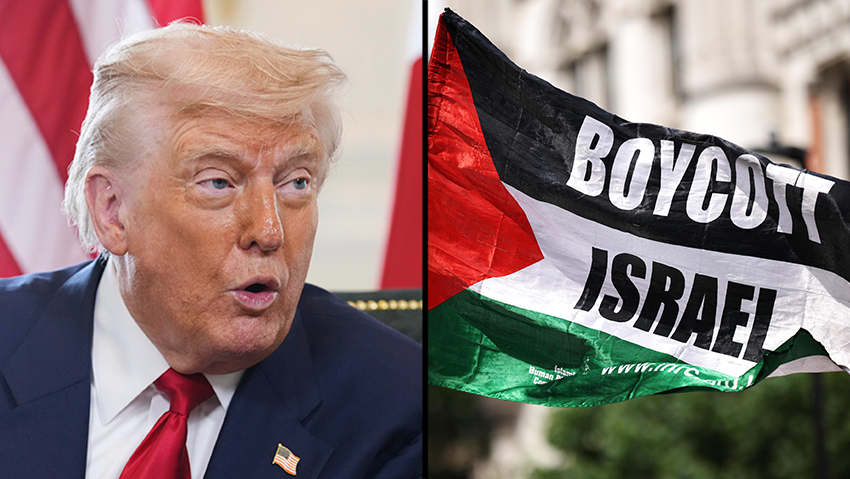
On Monday, DHS removed that language from its website. A DHS spokesperson said FEMA grants are awarded according to existing law and policy and not “political litmus tests."
Reuters reported that the deleted language applied to at least $1.9 billion in grants that states rely on to purchase search‑and‑rescue equipment, pay emergency managers and maintain backup power systems. Another program distributing more than $550 million in anti‑terrorism funds to cities carried the same anti‑boycott condition. New York, where Boycott, Divestment and Sanctions (BDS) supporter Zohran Mamdani was leading the mayoral race, was slated to receive the largest share of that program—about $92.2 million.
The deleted requirement had drawn sharp criticism because it targeted the BDS campaign, an international movement urging economic pressure on Israel over its occupation of Palestinian territories. Support for BDS surged in 2023 after Hamas’ attack on southern Israel and Israel’s subsequent invasion of Gaza. Homeland Security Secretary Kristi Noem had vowed to enforce U.S. anti‑discrimination laws and labelled BDS antisemitic.
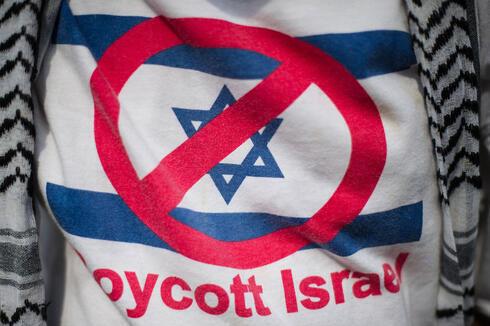
A BDS Tshirt
(Photo: AFP)
The Trump administration has a history of using federal funds as leverage in cultural and political fights. He has threatened to punish institutions he considers antisemitic and has wielded funding threats to pressure U.S. universities into adopting policies against anti‑Israel activism. Harvard University reportedly refused such demands and lost federal assistance, prompting a legal battle.
By Monday, however, DHS had deleted its statement requiring states to oppose boycotts and posted revised terms that omit any reference to Israel. This reversal represents a shift from Trump’s previous attempts to penalize institutions that do not align with his views on Israel. It underscores the sensitivity of linking disaster relief—a lifeline for many communities—to geopolitical positions and suggests that, at least for now, the administration is stepping back from imposing political tests on federal aid.