

U.S. President Donald Trump renewed his direct confrontation with Ukrainian President Volodymyr Zelensky on Saturday evening, calling for him to be replaced. The attack came after Zelensky sharply criticized an agreement Trump announced Friday under which Russia would be allowed to export large quantities of diesel to global markets in exchange for the lifting of some sanctions.
Trump had already been asked Friday about Zelensky’s criticism — the Ukrainian leader called the move “a weak decision by strong allies” — but declined to address it at the time. On Saturday, however, he attacked Zelensky just hours after another deadly Russian bombardment, which killed 20 people in the Ukrainian city of Zaporizhzhia.
Dramatic footage from Kiev: Russian drone explodes over kindergarten, passerby runs seconds before
(Reuters)


Speaking to reporters at the White House, Trump was asked about Russian attacks that have only intensified and that this week killed dozens more civilians in two particularly deadly strikes. Rather than criticize the Kremlin, even indirectly, he turned his anger toward Zelensky.
"I advise (the Ukrainians) to find a new leader who can make a deal, because he actually could have made many deals, but for some reason he makes none," Trump said. “This is a war that should never have started, and I think it’s time for Ukraine to find a new president.”
Trump announced the agreement to release Russian diesel onto global markets after a phone call with President Vladimir Putin, in an effort to bring down fuel prices that have been weighing heavily on Americans ahead of next month’s U.S. midterm elections.
Gallery
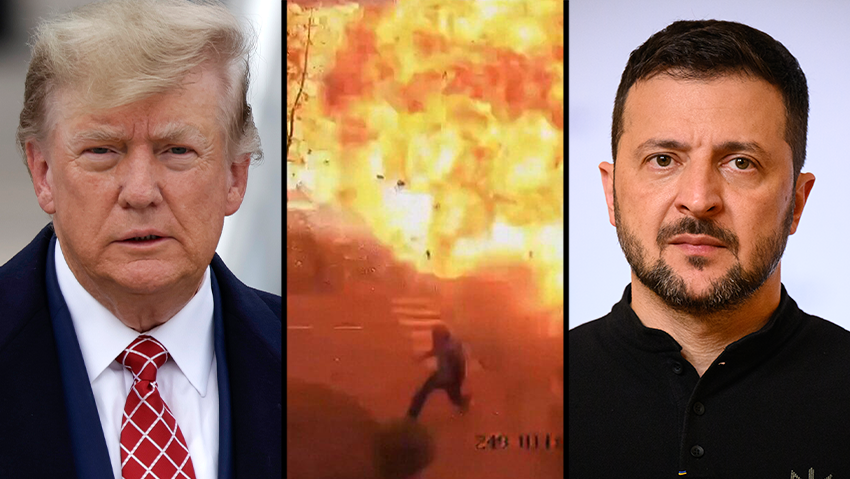
Trump also criticized Zelensky for refusing his appeals to halt Ukrainian drone attacks on Russian refineries
(Photo: Reuters, Leon Neal/Getty Images, Jeff J Mitchell/Getty Images)
In his remarks Saturday, Trump also criticized Zelensky for refusing his appeals to halt Ukrainian drone attacks on Russian refineries. Those strikes contributed to a severe fuel crisis in Russia over the summer and forced Moscow — normally a major fuel exporter — to temporarily halt diesel exports in order to preserve supplies for domestic consumers. The move helped drive up diesel prices, alongside another increase caused by the war with Iran.
“We said, ‘You can do whatever you want to Russia. Don’t hit the refineries because that’s a world problem,’” Trump said. “He wants to make problems for the world. He wants to make problems for our farmers, our ranchers with diesel fuel, because Russia supplies a large portion of the diesel fuel around the world,” Trump said.
“And what does he do? He goes and hits the diesel fuel,” Trump added. “He better damn well stop.”
Trump attacks Zelensky: 'it’s time for Ukraine to find a new president'
Zelensky has yet to respond to Trump’s criticism, which appears to mark a return of the severe rift between the two leaders last year. That crisis began with the “shouting summit” at the White House in February, which ended with Zelensky being thrown out after refusing the U.S. president’s demand that he compromise in negotiations with Russia — a demand Trump was then pushing as part of an effort to fulfill his campaign promise to end the war in Ukraine within 24 hours.
That crisis also led to a temporary halt in U.S. intelligence assistance to Kyiv, but the dispute was later resolved and the two leaders patched things up and met several times afterward.
Earlier this year, Trump even praised Kyiv’s campaign of drone attacks on targets deep inside Russia, aimed at making Russian civilians feel the effects of the war and thereby pressuring Putin to seek an agreement to end it.
But those attacks have also targeted oil refineries, contributing to the current surge in global diesel prices. Trump, concerned about the impact on Republicans’ already difficult prospects of retaining control of Congress in the midterms, has been pressing for the strikes to stop.
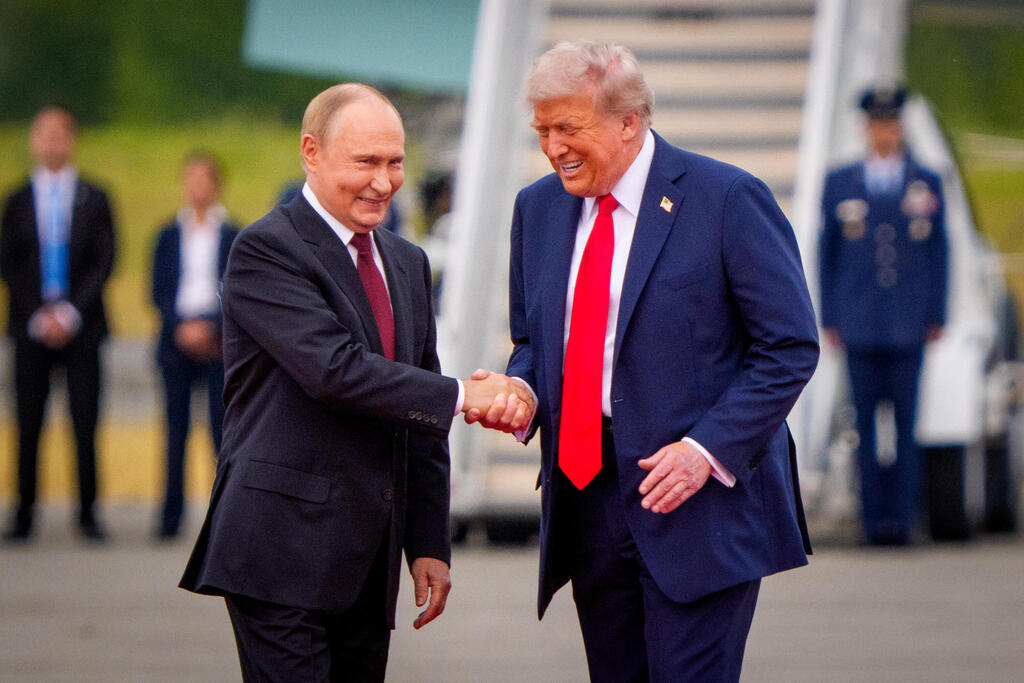
Trump and Putin at their summit in Alaska in August last year. Fewer sanctions, more diesel
(Photo: Andrew Harnik/Getty Images)
As early as the middle of last month, Trump announced what he described as an agreement between Kyiv and Moscow under which both sides would stop attacking energy facilities. Neither side confirmed such an agreement, however. Zelensky made clear that he would halt attacks on oil facilities only if he received guarantees that Moscow would do the same.
In recent days, Russia has instead stepped up its attacks on Ukrainian cities, including strikes on energy facilities that have forced Ukraine to announce planned power outages just before the freezing winter. Ukrainian attacks on Russian refineries have also continued without letup.
Trump surprised observers Friday when he announced the agreement allowing Russian diesel exports to the United States and other countries.
In a post on his Truth Social platform, Trump said Russia would immediately provide more than 300,000 metric tons of diesel, followed by another 500,000 tons in November and 1 million tons “immediately thereafter.” Russia would provide another 3 million tons “within a short period of time,” he added.
Soon afterward, the United States lifted sanctions on Russian diesel exports. Russia itself lifted restrictions Saturday morning that it had imposed over the summer on diesel exports because of domestic shortages caused by Ukrainian attacks.
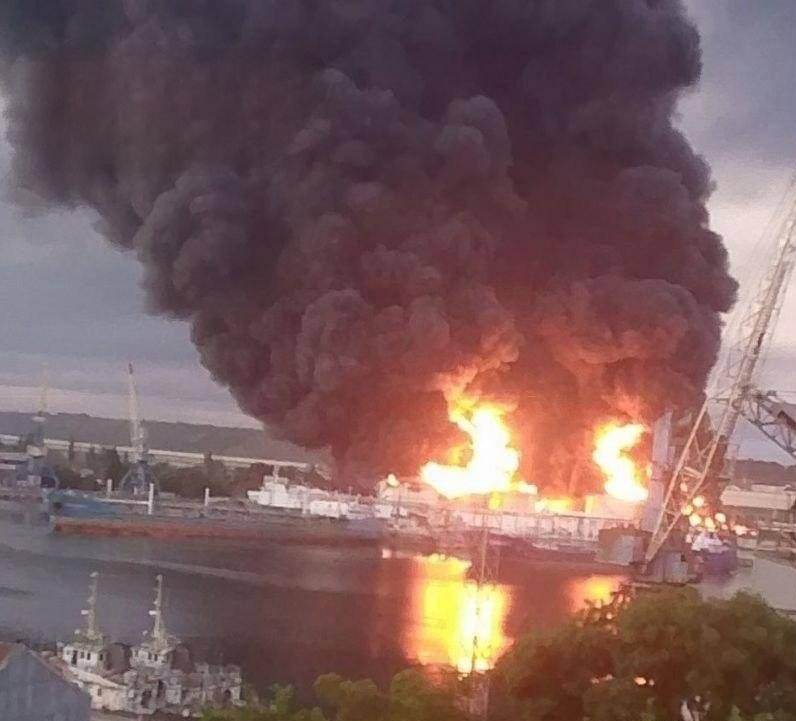
Fire at an oil facility in Crimea, which was captured by Russia from Ukraine and is facing a fuel shortage following Ukrainian drone attacks
The agreement marks a significant reversal after years of U.S. pressure on Moscow since Russia’s full-scale invasion of Ukraine in 2022. It came only a month after Trump signed a sweeping sanctions law targeting Russia, aimed in part at curbing its ability to profit from oil exports that help finance the war.
Ukraine reacted angrily to the agreement, which was announced as U.S. and Ukrainian representatives were holding talks on the war. Those talks were interrupted after the announcement. Zelensky described the deal as “a weak decision by strong partners” and warned: “Gifts to Putin, such as weakening sanctions, will not end the war. Russia will ‘repay’ concessions on diesel with more terror.”
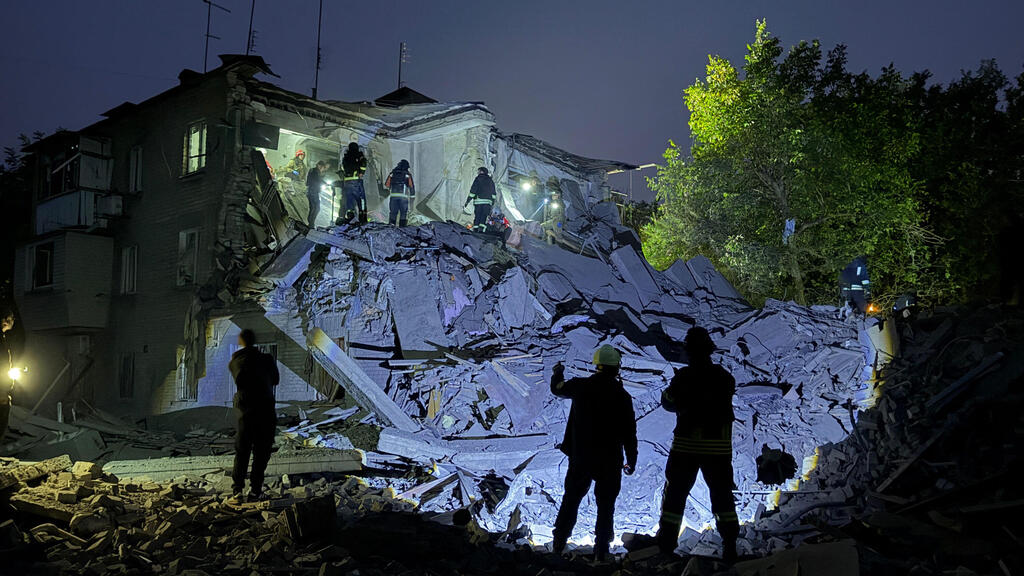
Hours after the agreement was announced, Russia continued its attacks on Ukrainian cities. In one strike on the southern city of Zaporizhzhia, at least 20 people were reported killed, including three children, after glide bombs hit a residential complex.
“Today, Russia said ‘thank you’ for the lifting of sanctions on diesel exports by dropping five glide bombs on residential buildings in Zaporizhzhia,” Zelensky said. “Last night provided further confirmation that Russia sees every easing of pressure on it as a signal that it can supposedly continue fighting and continue dropping bombs on cities. Different messages need to be sent.”
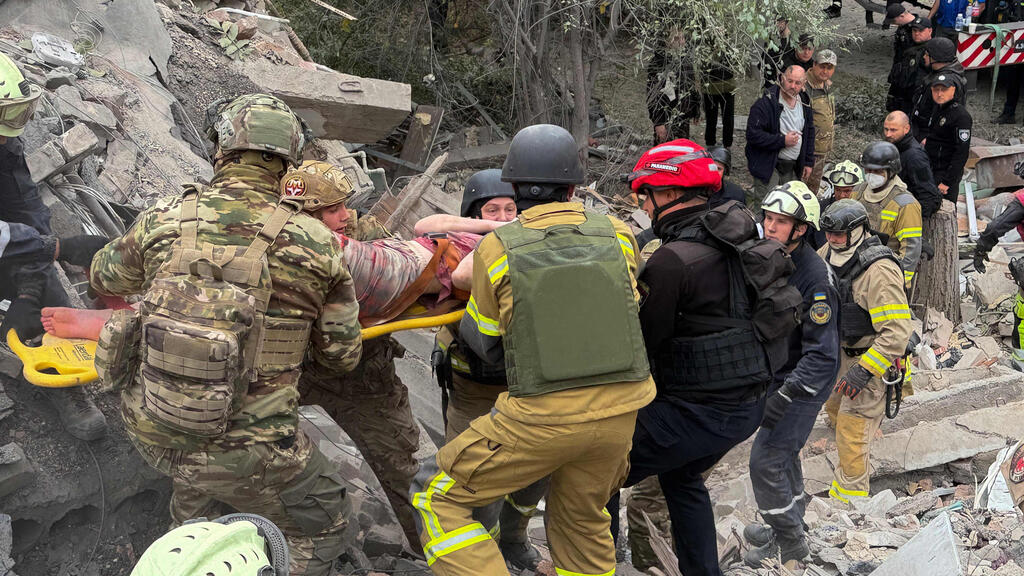
Scene of Russia's attack on Ukraine in the city of Zaporizhia where at least 20 people were killed
(Photo: Daria Nazarova / AFP)
(Photo: Daria Nazarova / AFP)
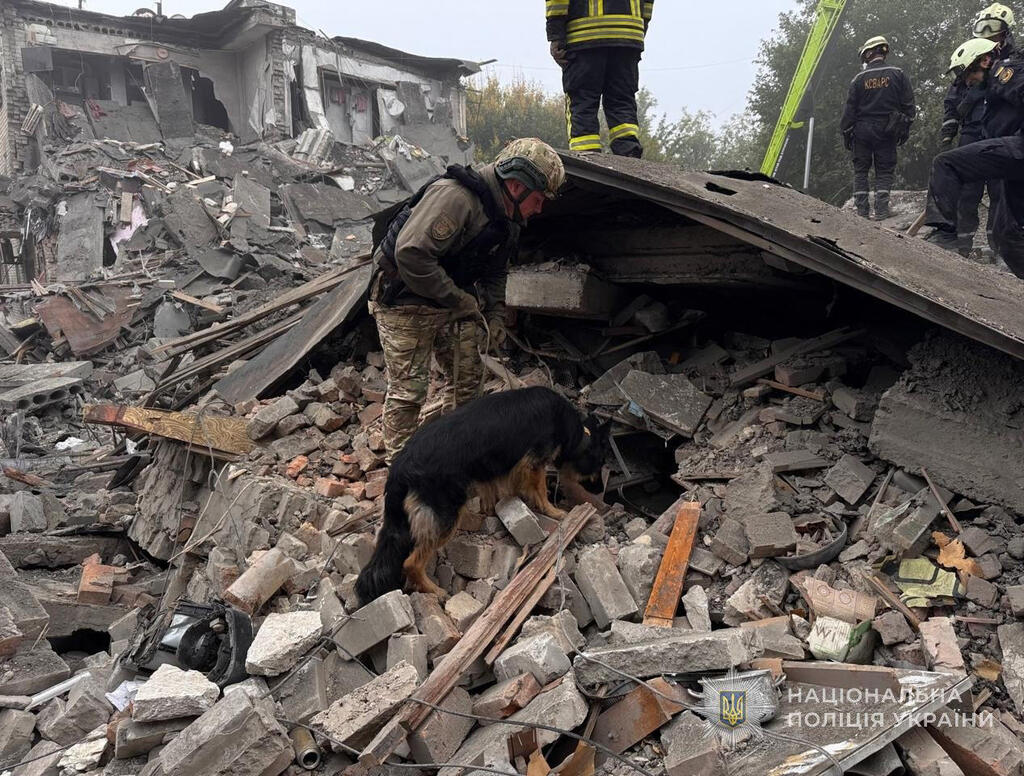
(Photo: Handout / Ukraine's National Police / AFP)
Images from the scene showed buildings completely destroyed. Authorities said Russia struck several locations in the city simultaneously in the early morning hours.
At least 18 more people were wounded. Reports said one of those killed was a 6-year-old girl. Her grandfather, Anatoly Chumny, was seen crying over her body, which had been covered with a white sheet after rescue workers pulled her from the rubble. Reuters reported that another resident’s leg was trapped in the debris and that he screamed in pain as rescue workers tried to free him.
“If the Russians have money, they will be able to keep fighting us,” said Natalia Malysheva, 49, whose parents were critically wounded in the attack and later died at the hospital after being pulled from the ruins. “How many lives have been lost here? How many homes have been destroyed? How many innocent people have died in the meantime?”
Kyiv was also hit by waves of drones Saturday. Dramatic footage circulated from the city showing a drone exploding at a kindergarten, as a passerby standing nearby ran away moments before the impact.