


Austrian President Alexander Van der Bellen sharply criticized Israel during a visit to New York, accusing it of committing war crimes. Foreign Minister Gideon Sa'ar responded forcefully, drawing criticism from Israeli diplomatic officials in Jerusalem who expressed unease over the severity of his response.
The crisis between Israel and Austria erupted after Van der Bellen held a joint news conference on the sidelines of the UN General Assembly with Chancellor Christian Stocker and Foreign Minister Beate Meinl-Reisinger. During the news conference, Van der Bellen said that "illegal settlements in the West Bank territories have accelerated, and this is violence against the Palestinian population there." The Austrian president went on to say that these were acts that "fall under the definition of war crimes."
Gallery
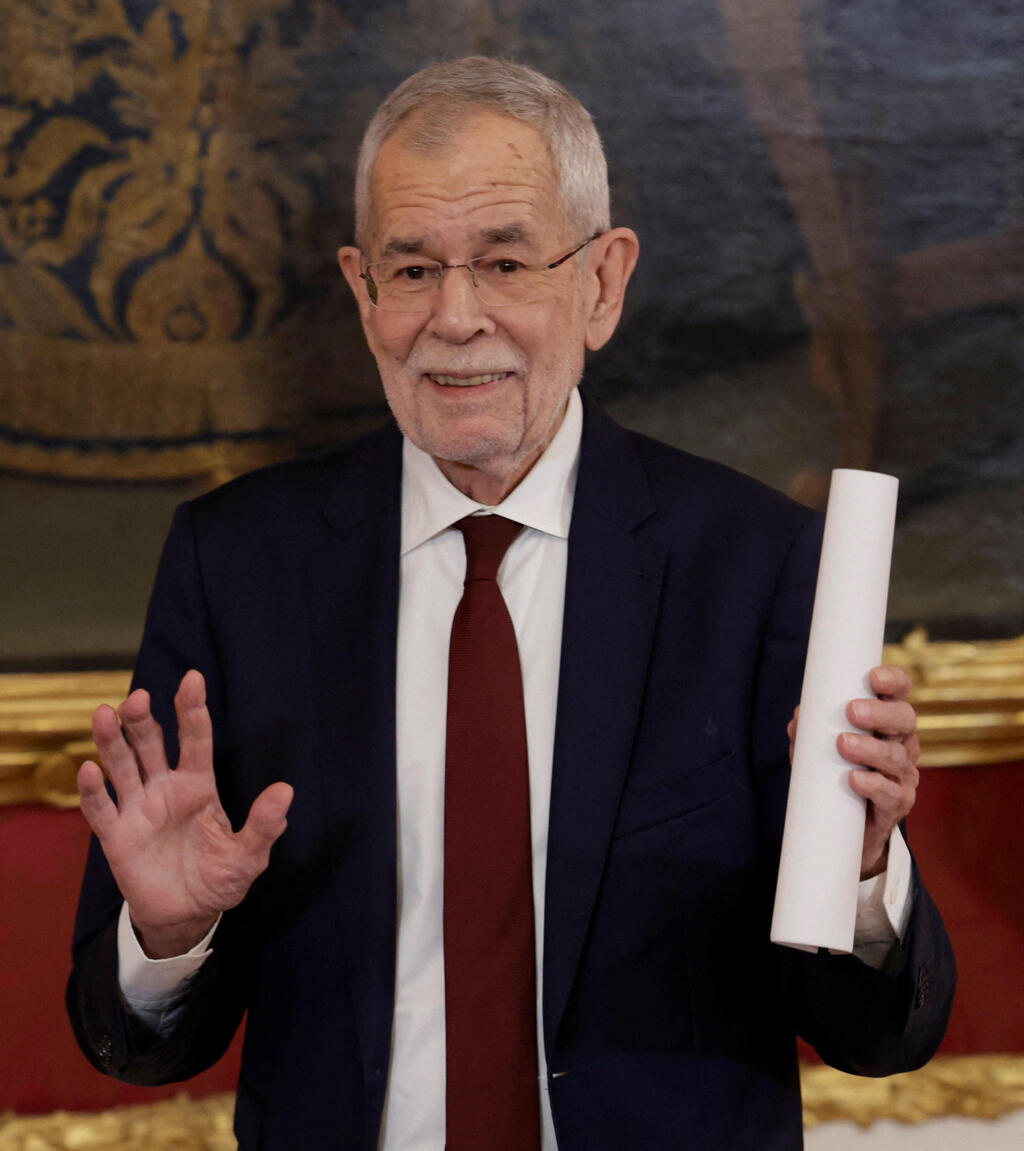
Sharp criticism of Israel in New York. Austrian President Alexander Van der Bellen
(Photo: reuters/Leonhard Foeger)
He added that Prime Minister Benjamin Netanyahu's government was moving into "dangerous territory" that would not pay off in the long run. However, he stressed that his remarks did not call Israel's right to exist into question and that the country's citizens as a whole should not be held responsible for their government's policies.
Foreign Minister Sa'ar responded sharply, writing on X that the Austrian president should "be ashamed." He invoked Austria's past — a country associated with some of the gravest crimes against humanity and the Jewish people — and said the Austrian president dared to level a false accusation against the Jewish state as it fights a jihadist axis seeking its destruction. Later in his response, Sa'ar described the president's remarks as "vile nonsense," while also making clear that Austrian citizens should not be held responsible for their president's comments.
While Israel's official response focused on attacking Van der Bellen, senior Israeli diplomatic officials in Jerusalem expressed unease over the severity of Sa'ar's remarks toward the president of a friendly country.
"We have reached the point where we are reprimanding the president of Austria — one of our friendliest countries in Europe," the officials said. "You can't lash out like this at the president of a friendly country. There is a way to voice criticism."
The chancellor distances himself
A senior Israeli official familiar with Israel-Europe relations elaborated on the issue, describing an ongoing decline in Austria's standing as a vocal ally of Israel. Until about two years ago, he said, Austria was among Israel's five friendliest countries in the European Union. Today, following changes in the government, that support remains but is less prominent and vocal. He said the Austrian president operates relatively independently of his government, accounting for some of the friction.
The official also criticized Israeli diplomacy itself, arguing that in recent years Israel has been working — too successfully, in his view — to alienate not only adversaries but also friends, based on the belief that it can manage on its own even at the cost of isolation. He warned that this trend was bringing Israel closer to a point at which sanctions and serious diplomatic measures against it could begin, a situation Israel wants to avoid.
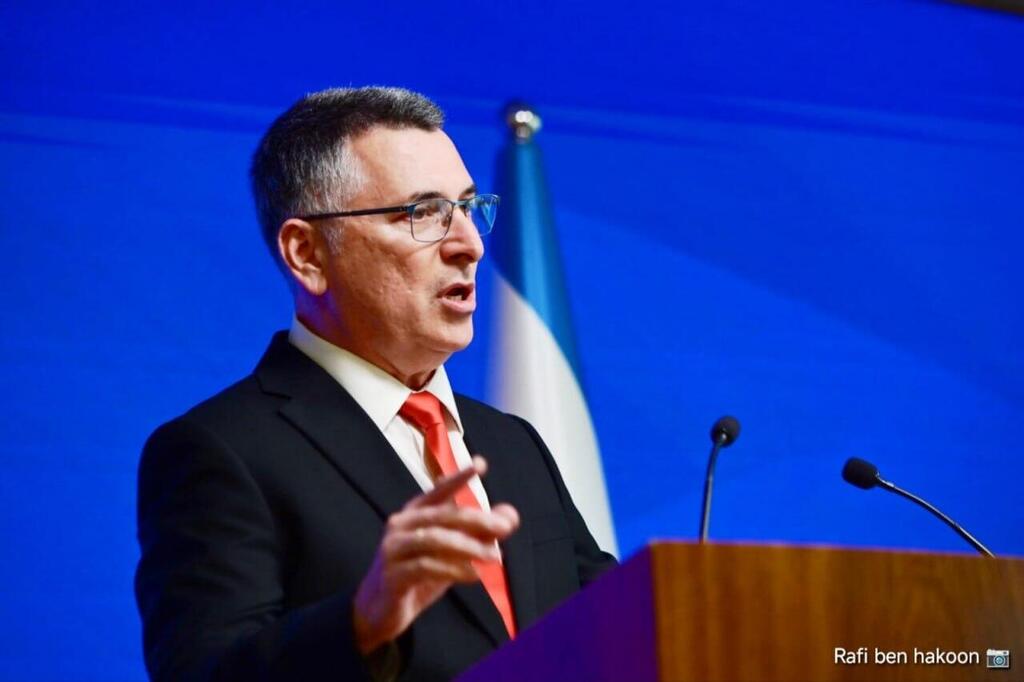
Crisis with Austria. Foreign Minister Gideon Sa'ar
(Photo: Rafi Ben Hakun)
Oskar Deutsch, president of the Jewish Community of Austria, also responded, though in a more measured tone than Sa'ar. He said Van der Bellen is a true friend of Israel and the Jewish community, which is precisely why his remarks were so serious: The president spoke of "war crimes" and placed responsibility solely on one side, without mentioning the existential threat posed by Palestinian terrorist organizations, Iran and its proxies, the attacks on Israelis or the declared aspiration to destroy the Jews.
Deutsch said genuine diplomacy requires a comprehensive view of the conflict, while presenting one-sided accusations as facts gives legitimacy to those who already "knew" in advance who was to blame.
Deutsch noted that since Oct. 7, 2023, Austria has experienced a wave of antisemitic incidents. Of the 1,532 incidents documented in 2025 by Austria's antisemitism reporting center, more than three-quarters had a connection to Israel — the most common form of antisemitism in the country today.
It is important to note that the Austrian chancellor's office also distanced itself from the president's remarks.
"Because of its history, Austria bears a special responsibility toward the State of Israel. Israel's right to exist is not in question. Equally, the binding nature of international law is not in question for us. Determining whether the law has been violated is the task of the courts."