


Relative calm along Israel’s Golan Heights frontier could be deceptive. As tensions between Israel and Turkey simmer and Israeli security officials monitor Ankara’s efforts to deepen its influence in Syria, reservists manning positions along the border have been told to treat the area as a potentially volatile front.
Israeli forces in the area say the perception that the Syrian frontier is the quietest of Israel’s active fronts could itself become a dangerous illusion, one troops must guard against even when there are few outward signs of hostility.
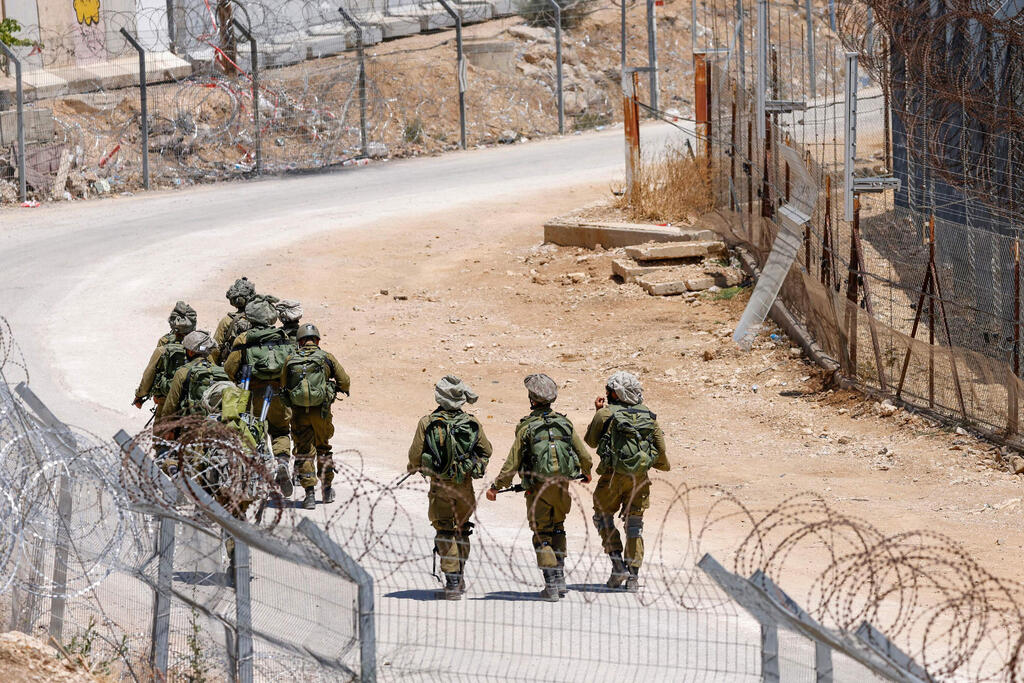
Security officials in the sector say that despite reports of Turkey’s growing involvement and military presence in Syria, no direct presence of Turkish forces has so far been detected near Israel’s border, nor has there been a dramatic change in patterns of day-to-day activity there.
Still, the IDF is seeking to preserve freedom of action and continues to carry out raids in Syrian villages near the frontier, aimed at locating and confiscating weapons and preventing hostile groups from establishing a presence close to Israeli territory.
Quiet border, persistent threat
Security officials say the large quantities of weapons circulating in Syria, combined with weak central authority and limited government control in parts of the country, mean the border remains highly volatile.
The military’s working assumption is that hostile actors are operating in the area even when the frontier appears relatively quiet. One of the scenarios considered most likely is the planting of explosive devices targeting IDF patrols, an attack troops are required to anticipate at all times.
The attitude of local Syrian communities toward Israeli forces is also not being taken for granted.
The IDF says it has not identified entrenched, overt hostility toward its troops in Syrian villages in the area. But commanders assume that any village could quickly become a base for attacks against Israel.
Relations with Syria’s Druze population, by contrast, are described by Israeli officials as more favorable and cooperative, based on what they say is a shared interest in protecting Druze communities from extremist groups and Syria’s government.
Israel has maintained close ties with members of its own Druze minority, whose community has familial and religious connections with Druze populations across the border in Syria.
Israeli forces are also monitoring technological developments in the Syrian theater. Unlike on the Lebanese front, troops in the Golan Heights have not yet encountered explosive-laden attack drones. Security officials, however, believe such capabilities could spread rapidly, whether supplied by state actors or produced locally.
Israeli civilians repeatedly cross into Syria
One of the challenges confronting troops almost weekly, however, comes not from militias or terrorist organizations but from Israeli civilians illegally crossing the border into Syria.
The group calls itself “Pioneers of Bashan,” using a biblical name associated with the region east of the Sea of Galilee. Security officials in the area have adopted a less flattering nickname for them: “Bashan rioters.”
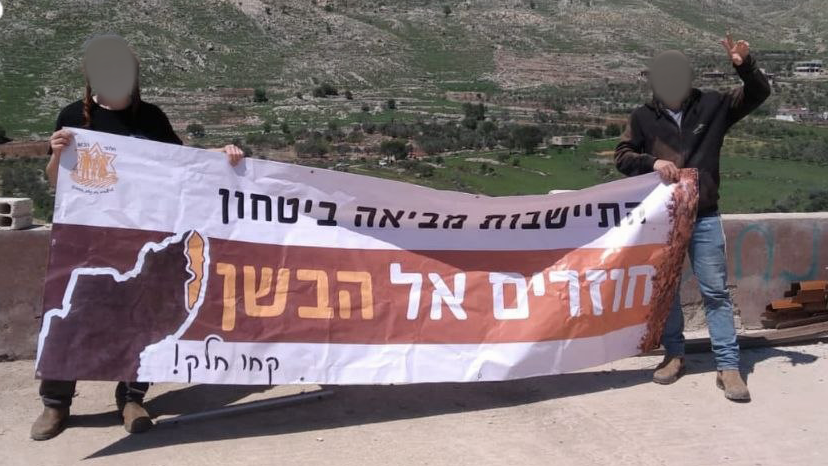
Settler activists
(Photo: Pioneers of Bashan)
Officials say such crossings occur roughly once a week and create a complicated operational dilemma for troops.
Beyond the fact that crossing the international frontier without authorization is prohibited, officials say the civilians are putting their lives at risk. They could be mistakenly hit by Israeli forces or encounter hostile actors on the Syrian side of the border.
The military says every such incident requires troops to be scrambled and diverted from other duties, drawing attention away from their primary defensive mission. Officials say the repeated incidents also wear down reservists who are forced to deal with situations unrelated to the mission for which they were deployed.
Military, police change enforcement policy
The IDF and police have recently taken significant steps to change how they deal with the border crossers, ynet has learned, in an effort to create a more effective and continuous enforcement system and reduce the number of unauthorized crossings.
The military has declined to disclose the full extent of the changes. Officials say, however, that they affect the entire process, beginning with prevention and early detection, continuing through the military’s real-time response and extending to measures taken after suspects are caught.
Those measures include efforts to pursue legal action and impose tougher penalties on people who illegally cross the frontier.
Israel’s current defensive strategy in the area combines permanent and temporary military positions intended to create as much distance as possible between potential threats on the Syrian side and Israeli communities.
Security officials stress that the strategy is not fixed and could change if threats from the northeast develop.
If foreign countries deepen their involvement in Syria, or if local militias improve their capabilities and step up operations close to Israel’s border, the IDF could adjust the number of troops deployed, their positioning and their methods of operation.
Reservists hold a potentially volatile line
Much of the military presence along the frontier in recent months has been provided by reservists, including 228th Brigade troops who have been deployed to the sector for extended periods.
The military has emphasized the personal, family and economic costs borne by reservists after years of heavy mobilization, as well as their role in maintaining a stable defensive line along a border that currently appears quiet but could change quickly.
Security officials in the area say the military’s ability to maintain its deployment over time depends heavily on the resilience and morale of its reservists. They credit those troops with helping preserve the relative operational stability that has so far prevailed along the Syrian frontier.