

The Trump administration and its hawkish allies on Capitol Hill are increasingly signaling that Cuba could be the next focus of U.S.-backed regime change efforts in the Western Hemisphere, POLITICO reported, though how expansive Washington’s role might be remains unsettled.
U.S. President Donald Trump has voiced confidence that the Cuban regime’s days are numbered, while Cuba hawks in Congress and some officials inside the administration are pushing to intensify pressure on Havana in hopes of forcing either a collapse or a negotiated political transition. Those advocates argue that the United States faces a rare opportunity after Cuba’s economic lifeline from Venezuela dried up following the capture of ousted Venezuelan leader Nicolás Maduro.
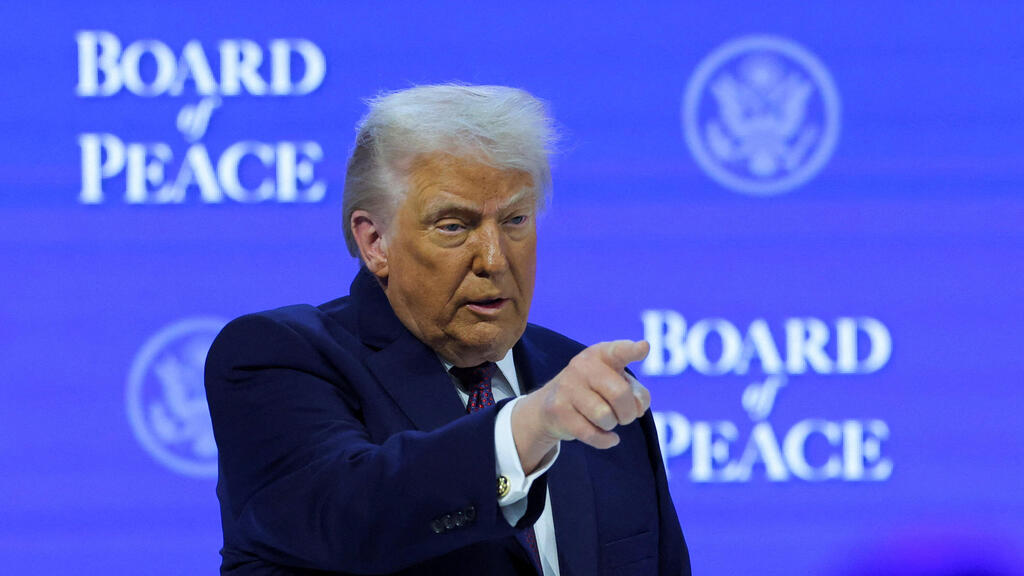
Sen. Lindsey Graham of South Carolina, a close White House ally, said he expects the administration to move soon.
“It’s time to end that dictatorship,” Graham said, adding that he anticipates the White House will “come out with some ideas.”
Some of those ideas are already coming into focus. According to POLITICO, the administration is considering whether to fully block oil shipments to Cuba, a move intended to deprive the regime of one of its last remaining economic supports. The Wall Street Journal separately reported that U.S. officials are searching for a Cuban figure comparable to Venezuelan acting leader Delcy Rodríguez who could serve as an interlocutor in negotiations over a transition of power.
There is, however, skepticism among lawmakers and policy experts about whether additional sanctions would meaningfully increase pressure on Havana, given the extensive restrictions Cuba already faces. Instead, attention may shift toward the economic relationships that U.S. allies continue to maintain with the island.
Several NATO allies, including Canada and Spain, retain trade ties with Cuba, and the Trump administration has demonstrated a growing willingness to use tariffs as leverage against partners that engage economically with U.S. adversaries.
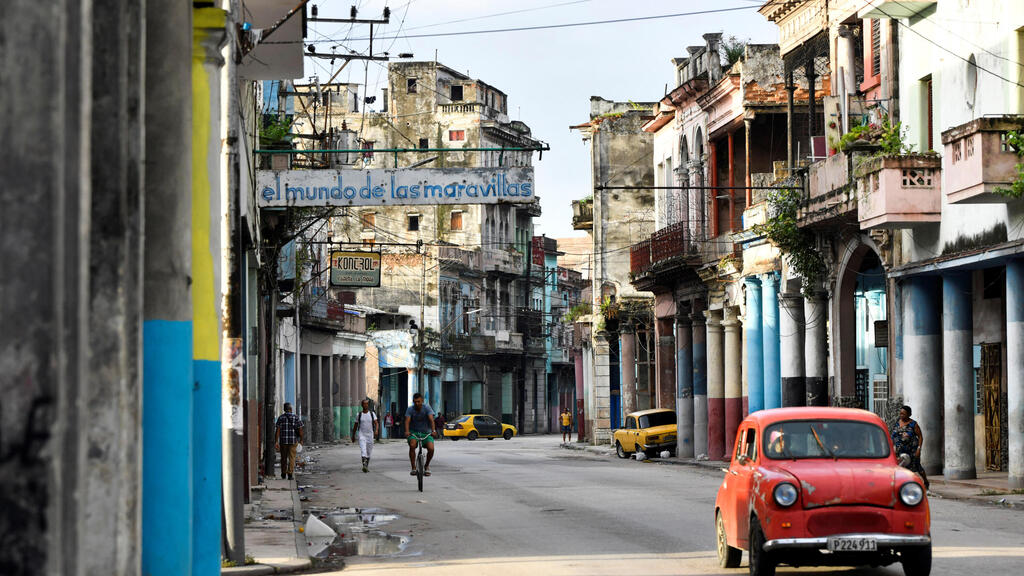
According to Trump, Cuba is ready for takeover
(Photo: Norlys Perez/ Reuters)
“I’m not sure he has to, but I think all we need to do is make sure that our supposed friends don’t continue to support the regime,” Rep. Carlos Giménez of Florida told POLITICO.
None of those debates has been resolved. Cuba’s communist government has endured repeated periods of severe economic distress over the decades, including the crisis that followed the collapse of the Soviet Union, and has repeatedly proven resilient.
Cuba also differs sharply from Venezuela. Its regime is more institutionalized and technocratic, led largely by party functionaries who advanced through internal loyalty and merit rather than through paramilitary networks or illicit power bases. In Venezuela, figures such as Rodríguez and Interior Minister Diosdado Cabello built influence through parallel armed structures and criminal activity, creating fissures that the United States was later able to exploit.
That dynamic is largely absent in Cuba, making it far more difficult for Washington to identify internal actors capable of facilitating regime change. The island’s opposition movement is also significantly weaker and more fragmented, limiting its ability to translate pressure into political momentum.
Even so, the administration’s posture is expected to draw enthusiastic backing from Republican lawmakers representing South Florida’s large Cuban exile community.
“The president has been, frankly, really, really, really good on that issue going back to his first term,” Rep. Mario Díaz-Balart of Florida said. “And I expect more good things to happen.”
“I don’t think that the Cuban regime survives these three years left” in Trump’s term, Díaz-Balart added.