

Iran on Monday denied that negotiations with the United States had resumed, only hours after U.S. President Donald Trump said formal talks would begin later in the day.
“We are not currently holding talks with the American side,” Iranian Foreign Ministry spokesperson Esmaeil Baghaei said. “From our perspective, Pakistan is the mediator, with cooperation from Qatar.”
Gallery
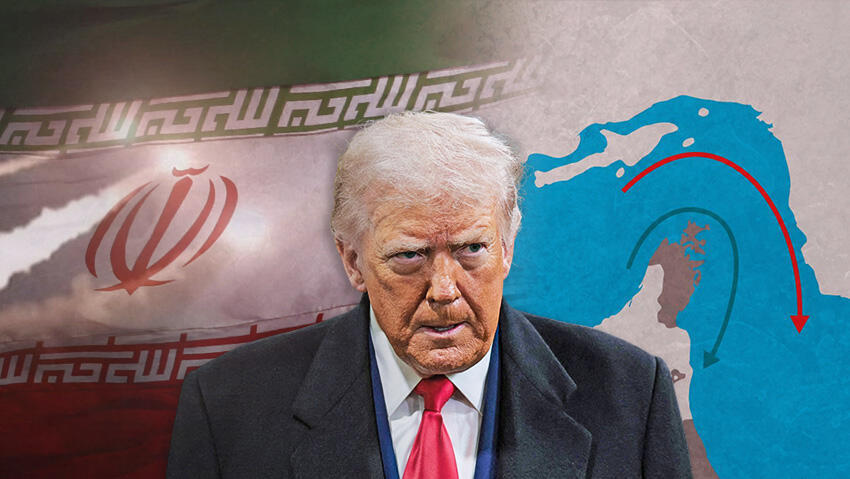
US President Donald Trump said the talks would begin on Monday
(Photo: Anna Moneymaker, AFP, AP)
Baghaei said members of Iran’s negotiating delegation remained inside the country and that Tehran was not planning to host mediators or travel for negotiations in the coming days.
His remarks directly contradicted Trump, who said aboard Air Force One that an agreement had been reached over the Strait of Hormuz and that negotiations with Iran would resume Monday afternoon.
Trump provided no details about where the talks would take place, who would participate or what had already been agreed.
Iran warns Gulf states
Baghaei also urged countries in the region not to allow the United States to use their territory for attacks on Iran.
He warned that if Washington continued to violate what he described as a memorandum of understanding, conditions in the Strait of Hormuz would not change.
Baghaei said Iran’s separate discussions with Oman were focused on creating a temporary route for safe maritime passage through the strait.
“The talks are focused on reaching an understanding regarding safe passage through the Strait of Hormuz,” he said. “The route under discussion will be temporary, and through it we will ensure safe navigation.”
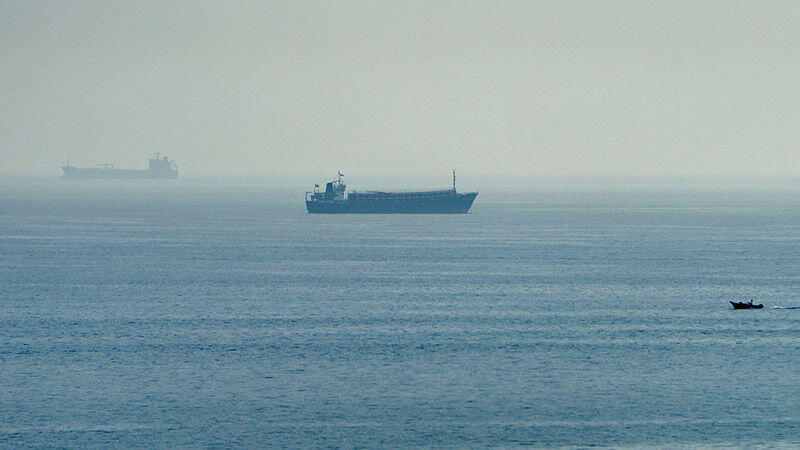
The Strait of Hormuz
(Photo: REUTERS/Stringer)
He did not describe the talks as an agreement to fully reopen the strategic waterway.
The strait carried about 20% of the world’s oil and liquefied natural gas before the war, and its disruption has driven energy prices higher and intensified global inflation concerns.
Baghaei also sought to distance Iran from the renewed fighting between Yemen’s Houthis and Saudi Arabia.
“This is an internal matter in which Iran does not intervene, and it has no connection to our war with the United States,” he said.
From strike threats to diplomacy
Over the weekend, the Gulf appeared close to a major escalation.
Reports intensified that the United States was preparing a broad attack on Iran that could include nuclear sites and energy infrastructure. Trump also posted a barrage of messages on Truth Social, boasting that 159 Iranian vessels had been sunk under his leadership and claiming credit for the collapse of Iran’s currency.
He also published images of military aircraft.
CBS News reported, citing sources, that the United States and Israel were planning “one of the most significant bombing operations yet” against Iran.
The IDF raised its defensive readiness but did not change Home Front Command instructions. Iranian officials, meanwhile, threatened a broad response to any attack, including action against Israel.
After several tense hours, Trump announced early Sunday that he had canceled the planned U.S. strike.
He said Iran and several Middle Eastern governments had asked him not to proceed and that the outlines of a possible agreement had been reached.
Trump said the emerging understandings would include the “immediate, complete and total” reopening of the Strait of Hormuz and an end to Iran’s nuclear threat.
“Based on that request, and for the future good of the world, as well as the survival of a successful and prosperous Iran, I agreed to cancel the attack, subject to the condition that a deal can be reached quickly,” Trump wrote.
He also said Israel had agreed to refrain from military action for the time being.
“The State of Israel joins me in this commitment,” he wrote, urging the parties to begin work and complete the agreement.
No terms, timetable or reciprocal concessions have been disclosed.
Gulf pressure behind canceled strike
Trump later said Saudi Arabia, the United Arab Emirates and Qatar had urged him to call off the attack.
He said the United States had been fully prepared to launch what he described as its largest attack since World War II, but paused after allied governments said an agreement was within reach.
Trump added that Iran had also strongly sought a deal, while acknowledging that Iranian officials sometimes later denied having made such requests.
He said he preferred diplomacy because an agreement could save many lives, but stressed that Washington remained capable of striking at any time.
Trump also said Saudi leaders had told him they preferred an agreement because the consequences of military action were unpredictable.
His account supported an Associated Press report that Saudi Crown Prince Mohammed bin Salman had worked behind the scenes to stop the attack.
According to the report, bin Salman told Trump that strikes on Iranian energy facilities could trigger retaliation against oil and gas infrastructure in Saudi Arabia and elsewhere in the Gulf.
Qatar, Turkey and Pakistan also worked in recent days to promote de-escalation and a return to diplomacy.
Trump’s claim that the UAE also sought to prevent the strike contradicted a Wall Street Journal report that said Abu Dhabi had urged him to launch a broad attack, citing senior Gulf officials familiar with the discussions.
Israel warns it may still act
Israel has said it remains closely coordinated with Washington but will act independently if Iran attempts to restore its nuclear or ballistic missile programs.
“With or without an agreement, and regardless of any external commitments, if Iran attempts to renew its nuclear program or advance its ballistic missile industries, we will be there,” Energy Minister Eli Cohen said.
“We will take action, and we will strike.”
Trump and Prime Minister Benjamin Netanyahu met in Washington last week, where an Israeli official said they discussed diplomatic, economic and military options for curbing Iran’s nuclear program.
Iran denies seeking nuclear weapons.
For now, however, the central diplomatic picture remains unresolved: Trump says negotiations are restarting and a Hormuz agreement has been reached, while Tehran says no talks with Washington are taking place.