

Syria’s transitional government, under President Ahmad al-Sharaa, has begun integrating approximately 3,500 former foreign fighters—most of them Uyghurs—into the Syrian Arab Army, with the tacit approval of the United States.
The fighters are being absorbed into a newly established unit, the 84th Division, which will operate under the General Command of the military. Syrian officials say the initiative is part of a broader “national restructuring” plan following the collapse of Bashar Assad’s regime in late 2024.
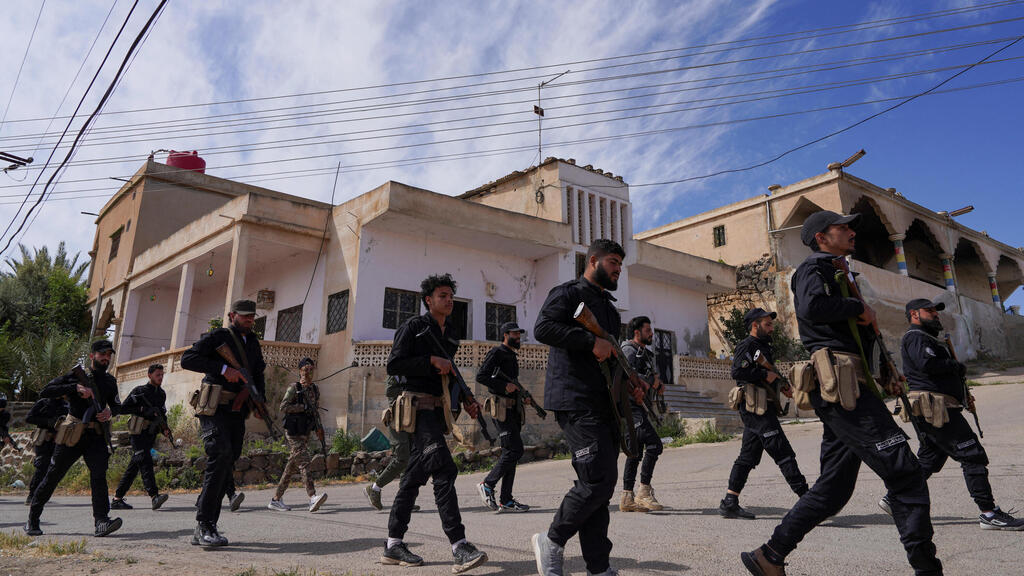
The move represents a clear break from previous U.S. policy, which long opposed the inclusion of foreign combatants in Syrian state institutions. A U.S. official said that the change reflects a new strategy of “participatory containment” rather than direct confrontation. “We know who these people are, and we know what they’re capable of if left unsupervised,” the official said. “It’s better for them to be inside a monitored institution than roaming free in search of a new front.”
The Turkistan Islamic Party has reportedly disbanded and joined the Syrian army under the auspices of the Ministry of Defense. Hayat Tahrir al-Sham has also disbanded, leaving many of its fighters eligible for inclusion in the new division. Preference is being given to those who fought against the Islamic State group or contributed to the final battles against Assad.
Candidates must complete a formal vetting and rehabilitation process, renounce all previous organizational affiliations, and agree to comply fully with Syrian military law. Only individuals who demonstrate loyalty to the transitional government are considered eligible. Additional requirements include graduating from the Syrian military academy, which is mandatory for promotion and the granting of official ranks. In return, the government has offered Syrian citizenship to the fighters and their families, “in recognition of their role in the liberation,” according to a government spokesperson, under what is being called the National Integration Program.
“The 84th Division is not just another military unit,” according to a spokesperson from the Syrian Ministry of Defense. “It is a step toward comprehensive national reconciliation, aiming to unify nonstate armed forces within the framework of the state.”
The division’s structure, deployment zones and armaments remain unclear, prompting concerns about its long-term mission and intent. Reports suggest that foreign fighters make up about 30% of the new army’s personnel, a development that could significantly influence Syria’s military landscape and potentially its regional posture.
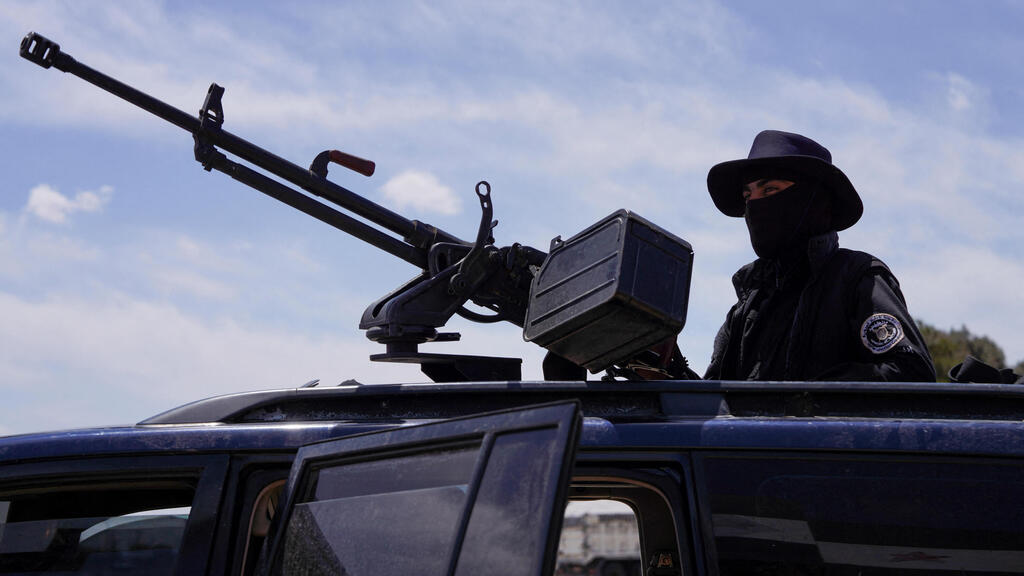
(Photo: Karam al-Masri/Reuters )
While the U.S. has not formally endorsed the initiative, officials have not objected, indicating a level of implicit support. Diplomatic sources have confirmed that indirect coordination between Washington and Damascus is taking place. These channels include a prior meeting between U.S President Donald Trump and al-Sharaa in Riyadh and the appointment of Thomas Barrack as a special envoy for Syria.
Reactions to the initiative have varied. Some analysts argue the integration could stabilize the country and help prevent future insurgencies by drawing former combatants into state institutions.
“It appears to be a temporary deal—Washington compromising on its principle of not cooperating with foreign fighters in exchange for tight intelligence collaboration with the Syrian government on other files,” said Jad Zreiq, an international security expert based in Paris.
Get the Ynetnews app on your smartphone: Google Play: https://bit.ly/4eJ37pE | Apple App Store: https://bit.ly/3ZL7iNv
Lama Al-Homsi, a reintegration policy expert based in Beirut, warned of potential long-term risks. “If this integration process fails, we’ll be reproducing terrorism under an official flag,” she said. Al-Homsi stressed that any such effort must be accompanied by psychological, religious and community rehabilitation, not just military training.
Critics, including members of the Syrian opposition, have raised concerns that the program could serve as a backdoor for rearming former extremists. Some warn that, without international oversight, the program could result in granting senior military roles to individuals with extremist backgrounds, further complicating reform efforts and weakening Syria’s fragile path toward rebuilding state institutions.
International reaction has been cautious. China has voiced concern over the inclusion of former Uyghur fighters, warning that Syria could become a “safe haven for extremist elements” if reintegration occurs without strict controls. A spokesperson for the Chinese Foreign Ministry said the move poses a security threat to Chinese interests and urged Syria to reject all forms of terrorism.
Other regional powers have remained mostly silent. Turkey has issued no official comment but is closely watching developments due to its long-standing concerns over Uyghur fighters. Iran and Russia have yet to clarify their positions, while Western governments continue to assess the situation.