


Residents of Kiryat Shmona say they are facing a second wave of departures more than a year after the ceasefire, as frustration grows over unfulfilled government promises and uncertainty about the city’s future.
Of the roughly 26,000 people who lived in the northern city before October 7, about 10,000 have yet to return, and those who did come back say the situation is pushing more families to leave.
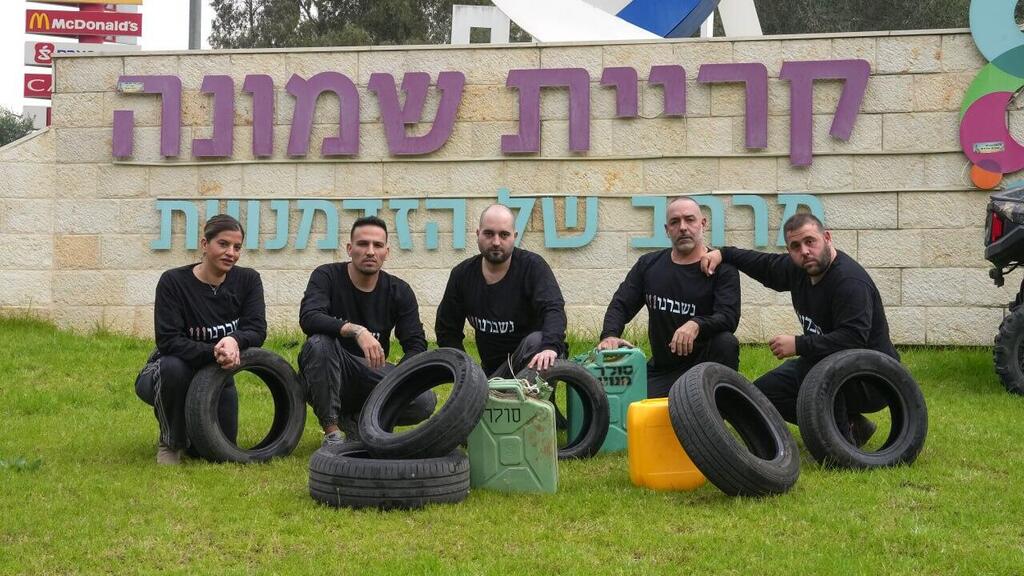
After giving the government and municipal leadership a year to deliver on pledges of rehabilitation, residents say patience has run out. As more neighbors pack up and leave, many describe the sense of abandonment as unbearable. On Tuesday morning, residents planned a protest at the city’s entrance, hoping their cry would reach Jerusalem and force the government to intervene.
Hundreds of residents gathered before dawn at the entrance to Kiryat Shmona, blocking Route 90 in both directions and setting tires on fire in an effort to force government attention. Police confirmed the road was closed during the demonstration. Protest organizers barred the mayor and city council members from joining, saying the protest would continue beyond a single day until concrete demands were met.
“We waited quietly and patiently for more than a year after the ceasefire, and we are fed up with promises,” said Shiran Ohayon, 38, a mother of two and one of the leaders of the protest. “We want to see real steps that will give us hope for a future here.”
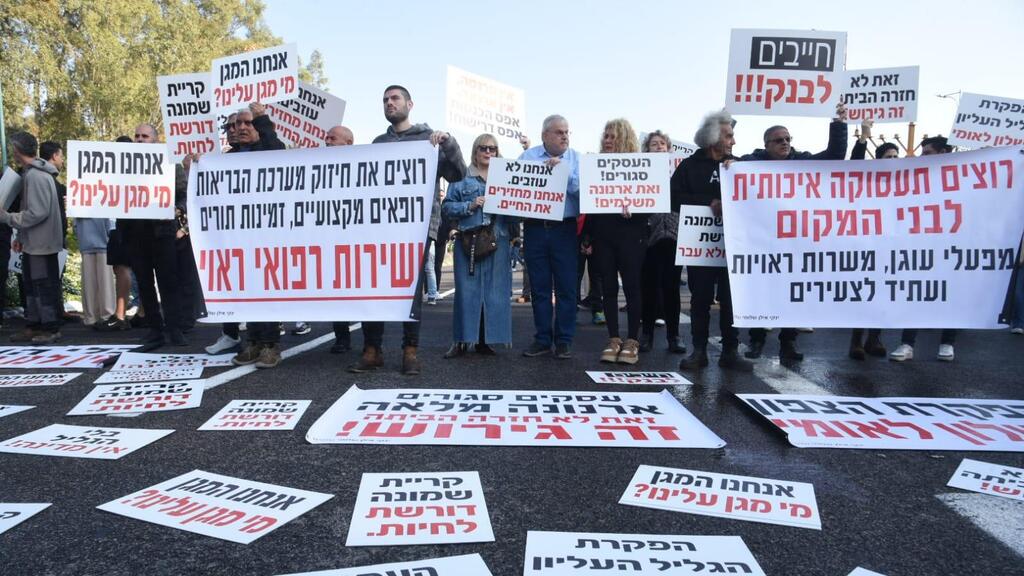
Kiryat Shmona residents protest
(Photo: Avihu Shapira)
Ohayon says she represents young families who want to remain in the city but feel they are clinging on by sheer determination. “This is the future generation of Kiryat Shmona,” she said. “We are holding on with our teeth, but there are clear conditions for rebuilding and growth.”
A walk through the city center reflects the struggle. Many shops are closed, while others operate stubbornly despite thin foot traffic. Only about half of local businesses have returned to full activity, and owners say they are required to pay full taxes even though revenues are far below prewar levels.
Local resident, Dudu, said: “The city looks like a cemetery. Sadly, after 6 p.m. there is no one on the streets. Chains are closing and businesses are collapsing. On top of that, there is constant talk about an imminent war, and everyone is under extreme stress, with a finger on the pulse, waiting for something bad to happen again. We hear helicopters and explosions all day and talk about it constantly. Everyone is on edge. The pressure is enormous.”
Another resident, Vered, said the uncertainty has become unbearable. “We live in constant uncertainty,” she said. “Everyone is afraid there will be another evacuation, and no one knows how long the next campaign will last. We don’t have the emotional strength for this situation anymore.”
“There are hardly any children left in the city,” said Hila Raz, who owns a candy store in the commercial center. She said that on one recent day, after opening for eight hours, her total sales amounted to just 280 shekels. “There is no rush for Shabbat shopping, no market days. It is over,” she said.
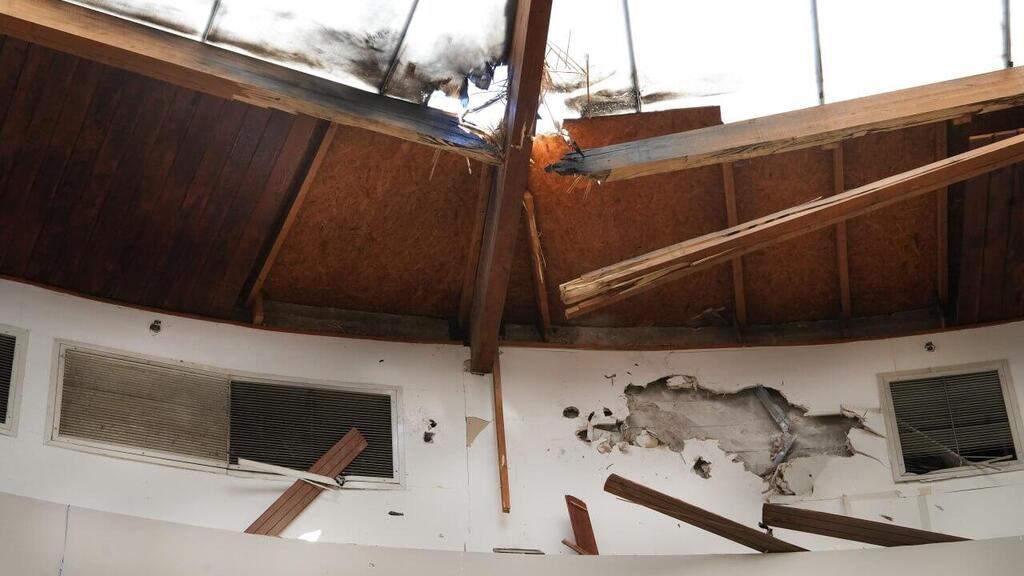
Damaged mall after Hezbollah rocket strike
(Photo: Efi Shrir)
Raz says her family’s breaking point came after months of unanswered compensation claims. Her husband, Boaz, traveled to offices of the Israel Tax Authority and chained himself in protest, desperate to speak with a human official rather than submit more online forms. “I was against it,” she admitted. “But he felt there was no one listening. They brought us back to a destroyed city and told us to manage on our own.”
The Israel Tax Authority said in response that Boaz Raz had received advance payments amounting to half of his claimed compensation and that delays stemmed from missing documentation. Officials said a meeting was scheduled to resolve the issue.
For many residents, the protest reflects a broader collapse of trust. “We are not asking for handouts,” Ohayon said. “We are demanding that the state look us in the eye and give answers.”
Some residents say they never expected to protest against the government. Moriel Peretz, 33, a right-wing voter and Netanyahu supporter, returned to Kiryat Shmona shortly before October 7 after years abroad, hoping to open a business in his hometown. He invested his savings in a spice and nuts shop, convinced the city was on the path to recovery.
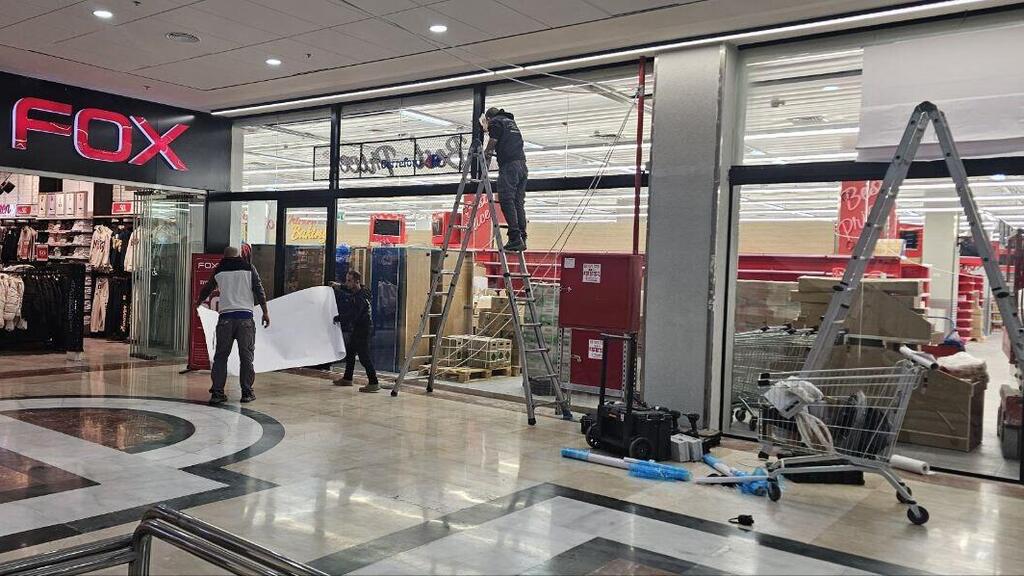
The residents have returned, but the Kiryat Shmona mall is still under maintenance
“In recent weeks, I fired an employee and cut everything back,” he said. “My quality of life has taken a massive hit. People here can barely survive, barely make it through the month.”
Peretz argues that rebuilding requires more than temporary aid. “If you want people to come to a remote place like this, it has to be attractive,” he said. “You need serious investment, high-tech parks, something that brings strong people here. Otherwise, no one will stay.”
While some residents speak of leaving, others insist it is not too late. Protest leaders say the government must adopt long-term measures, such as full exemptions from value-added tax and municipal taxes for residents and businesses, not temporary relief.
Ohayon said she recently saw a glimmer of hope when the government approved significant subsidies for daycare payments for young couples in frontline communities for five years. “But this is not enough,” she said. “We need steps that will bring strong populations here and allow the city to flourish again.”
Others are far more pessimistic. Gabi Elfassi, who has run a shop in the local mall for 16 years, said he has decided to close and follow his children elsewhere. “Anyone who stays here is crazy,” he said quietly. “I love this place, but I cannot go on.”
The crisis has been compounded by strained relations between Mayor Avichai Stern and Prime Minister Benjamin Netanyahu, which residents say have left the city politically isolated. Senior Likud figures in Jerusalem have backed local opposition leader Eli Zafrani, a Netanyahu ally, fueling a sense among residents that they are caught in a cynical political struggle. “There is a governing vacuum here,” said Netta Ohayon, a local resident. “Because the mayor doesn’t have an open door in the government, we have to go to Jerusalem ourselves. That’s why we’re protesting.”
Residents warn that without immediate and deep structural change, the coming summer could bring an even larger wave of departures. “If nothing changes, this place will become the biggest cemetery in Israel,” Ohayon said. “It will be just the border with Lebanon, and nothing more.”