

Protests over a sharp rise in gas prices continued across Syria on Tuesday for a third consecutive day, though reports indicated demonstrations had declined from their peak earlier in the week.
Hundreds of people marched Tuesday in Qamishli, in the Kurdish-controlled northeast, according to Agence France-Presse. Demonstrators carried signs reading “No to the policy of starvation,” “No to soaring fuel prices” and “Protect the people’s livelihoods.”
Protests erupt in Syria over rising gas prices


Some protesters chanted, “Fuel belongs to the people!”
Abdel Rahman Khalil, 56, told AFP that the authorities’ decision to raise prices was a “bad” one affecting nearly everyone in Syria.
“The people will not remain silent,” he said. “We demand our rights. They must yield to the people’s demands.”
Gallery
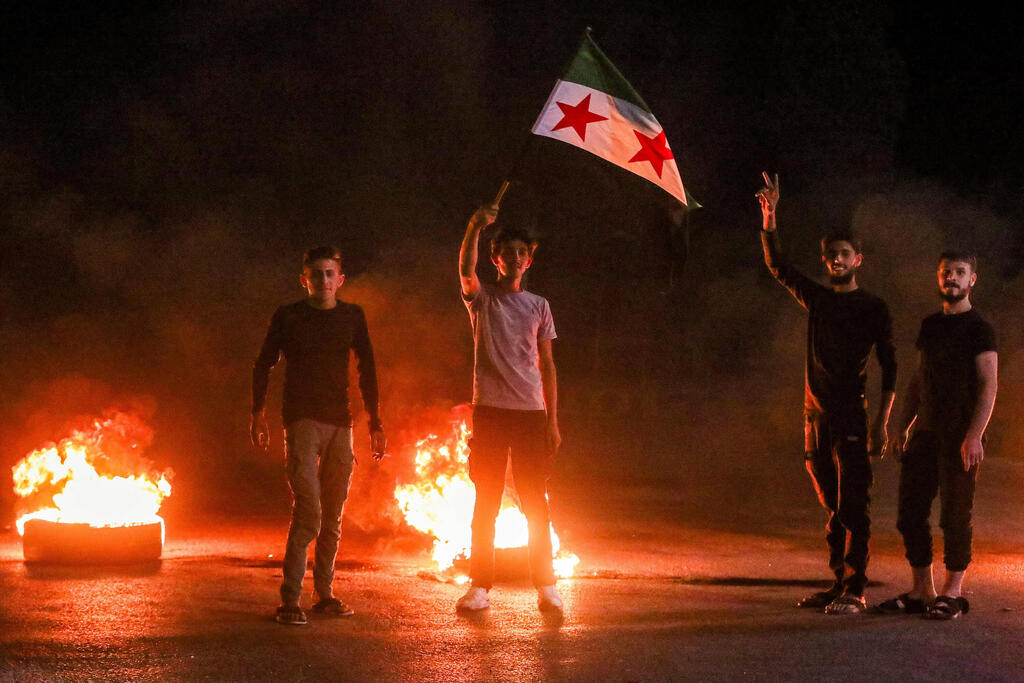
Protests erupt in Aleppo, Syria following rising gas prices, September 14, 2026
(Photo: Bakr ALKASEM / AFP)
Local and international media have described the demonstrations as the most widespread since the fall of Bashar Assad’s government in late 2024 and the rise to power of President Ahmad al-Sharaa.
The protests erupted after authorities announced dramatic increases in fuel and gas prices overnight Saturday into Sunday. The price of gas used by households and industry rose 9%, while 95-octane gasoline increased 28% and diesel jumped 40%.
Reuters reported that, combined with previous increases, the latest changes mean the price of 95-octane gasoline in Syria has risen 86% since February, while the price of diesel has more than doubled.
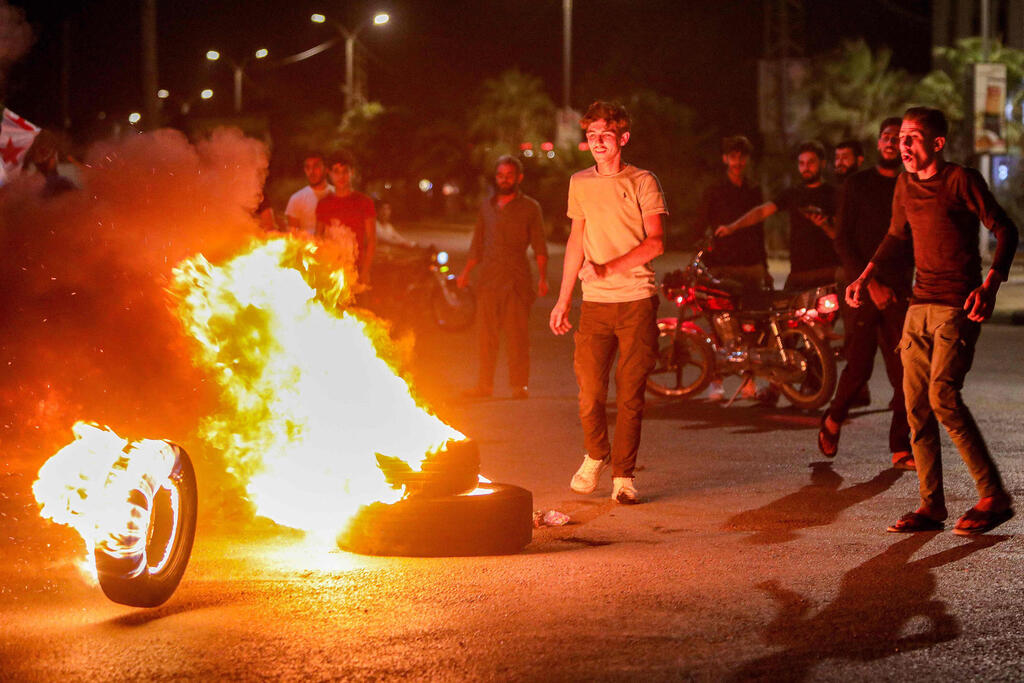
Protests erupt in Aleppo, Syria following rising gas prices, September 14, 2026
(Photo: Bakr ALKASEM / AFP)
Authorities described the increases as “temporary,” attributing them to rising global energy prices amid the war with Iran and the need to ensure stable supplies. They said reduced domestic production was another factor, citing maintenance work at the Baniyas refinery, the country’s largest.
The Energy Ministry said prices would be reviewed based on market developments and the refinery’s return to operation.
The increases, however, have dealt another blow to Syrians already struggling with severe economic hardship. Syria is still trying to rebuild from the destruction caused by 13 years of civil war, and about 90% of its population lives below the poverty line.
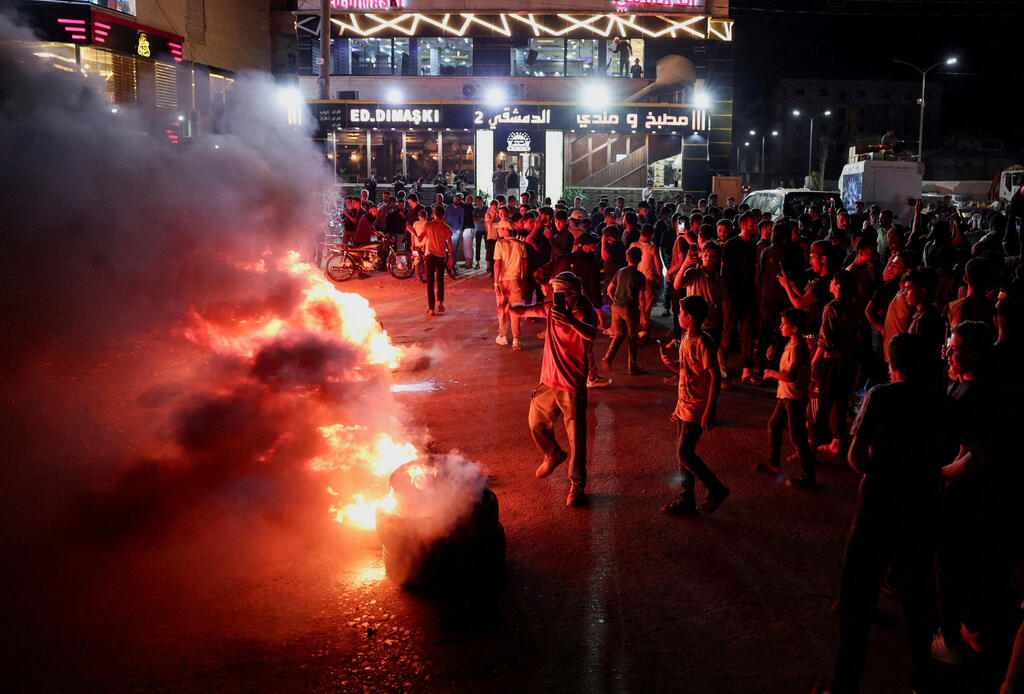
Protests erupt in Aleppo, Syria following rising gas prices, September 13, 2026
(Photo: REUTERS/Mahmoud Hassano)
The price increases immediately sparked demonstrations in several Syrian cities, with reports of protesters blocking major roads and burning tires.
Much of the anger has been directed at Syrian Energy Minister Mohammed al-Bashir. Activists in Aleppo said Sunday that the higher prices were imposing a “heavy burden on citizens, making daily life increasingly difficult.”
Protesters were also reported Sunday to have blocked a major road connecting Deir el-Zour and Aleppo with burning tires.
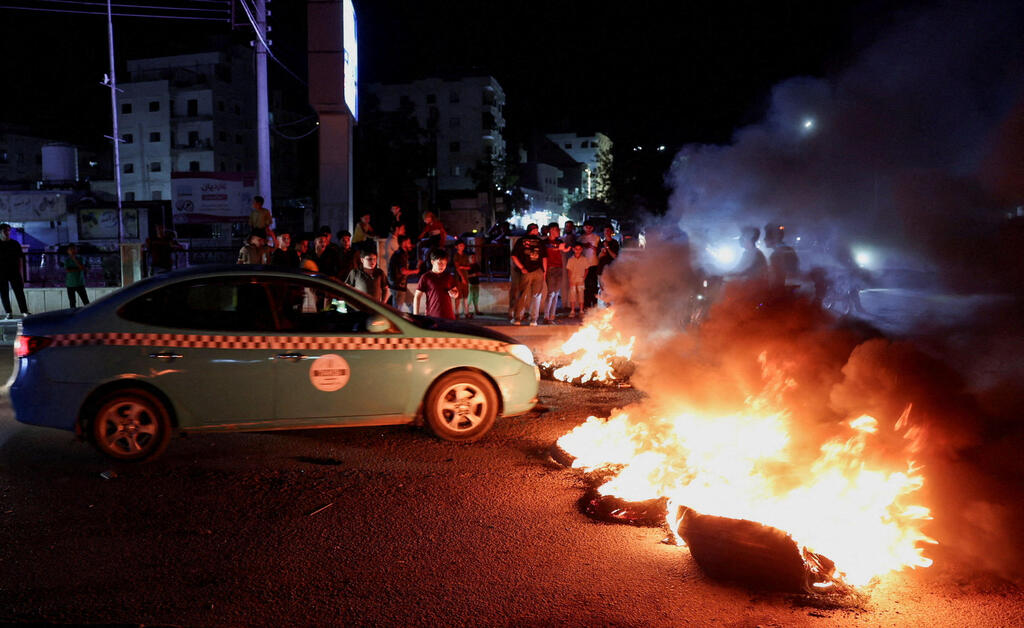
Protests erupt in Aleppo, Syria following rising gas prices, September 13, 2026
(Photo: REUTERS/Mahmoud Hassano)
Saudi-owned Asharq News reported Monday that many business owners and drivers had been forced to suspend operations because of difficulties obtaining fuel. Public transportation drivers also stopped working and returned home, according to the report.
Bus stations in the Hasakah area were reportedly left empty as drivers went on strike, bringing passenger transportation to a halt.
The demonstrations continued into Sunday night, and protests were reported in several parts of the country Monday, with images and videos showing angry residents taking to the streets.
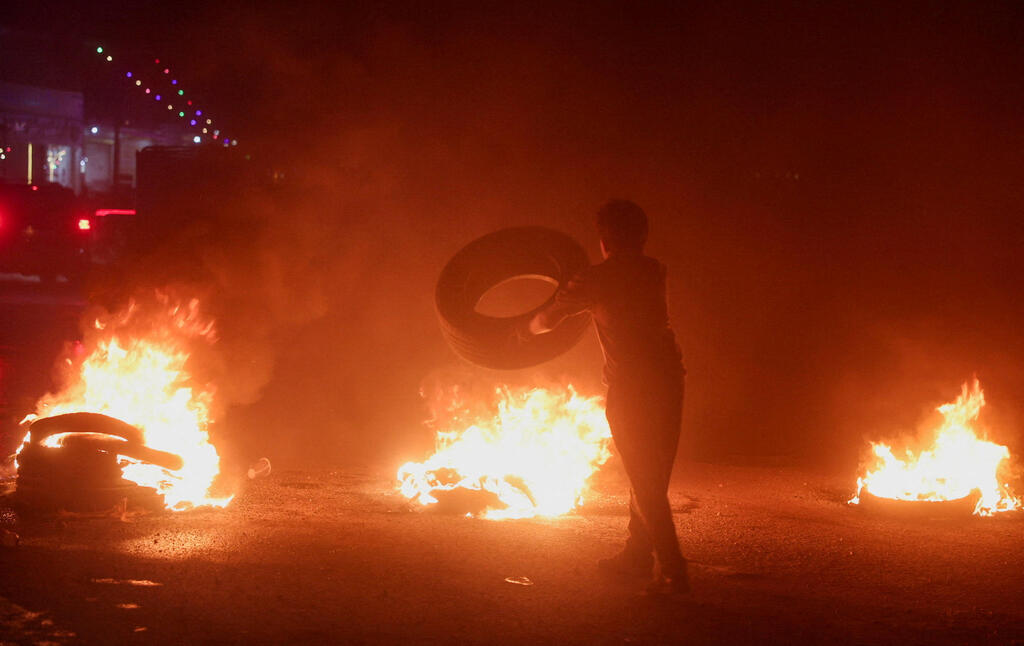
Protests erupt in Aleppo, Syria following rising gas prices, September 13, 2026
(Photo: REUTERS/Mahmoud Hassano)
Clashes were reported in al-Assi Square in Hama between protesters and others who opposed the demonstrations.
Syria TV cited Syrian lawmakers Monday as saying parliament would hold a discussion with the energy minister Thursday over the price increases.
The Beirut-based Al Mayadeen network reported that residents of the village of Maarat Harma in the Idlib countryside also blocked nearby roads. Protesters were also reported to have blocked the road leading to the al-Omar oil field in the eastern Deir el-Zour countryside.
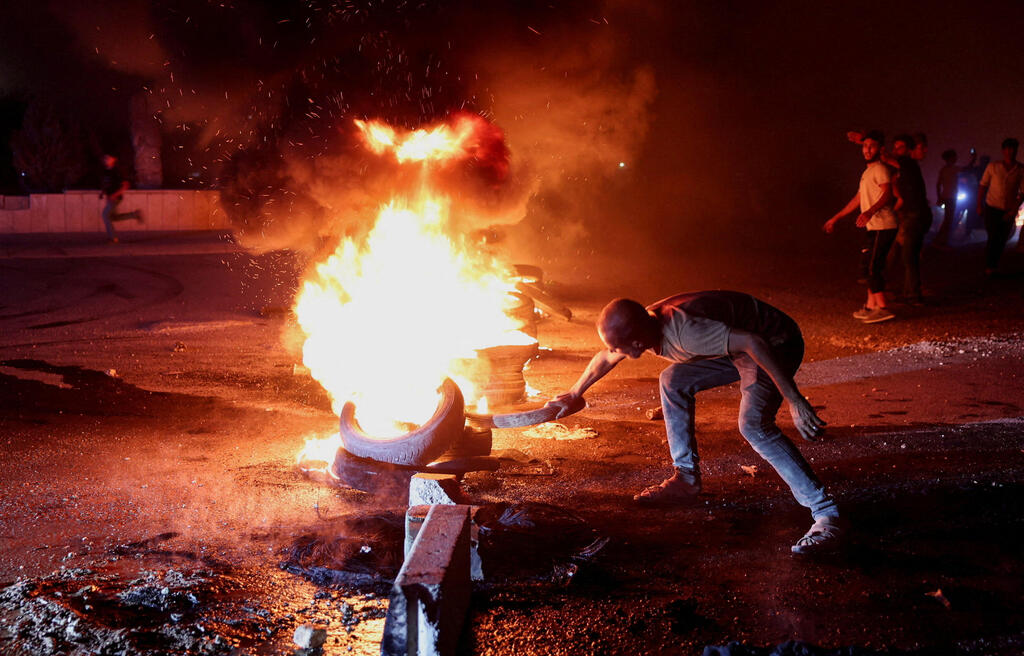
Protests erupt in Aleppo, Syria following rising gas prices, September 13, 2026
(Photo: REUTERS/Mahmoud Hassano)
Al-Ikhbariya, a television channel aligned with the Syrian authorities, published a report Monday emphasizing that “despite the increase in fuel prices, the Economy and Industry Ministry confirms that bread prices remain stable.”
A political analyst interviewed Tuesday by the Qatar-based Al-Araby network said a decision of such magnitude should not be left to a single minister but should be made by the government as a whole.
The analyst argued that higher global energy prices did not by themselves justify the increases and said the public needed to be prepared for such a move before it was implemented.
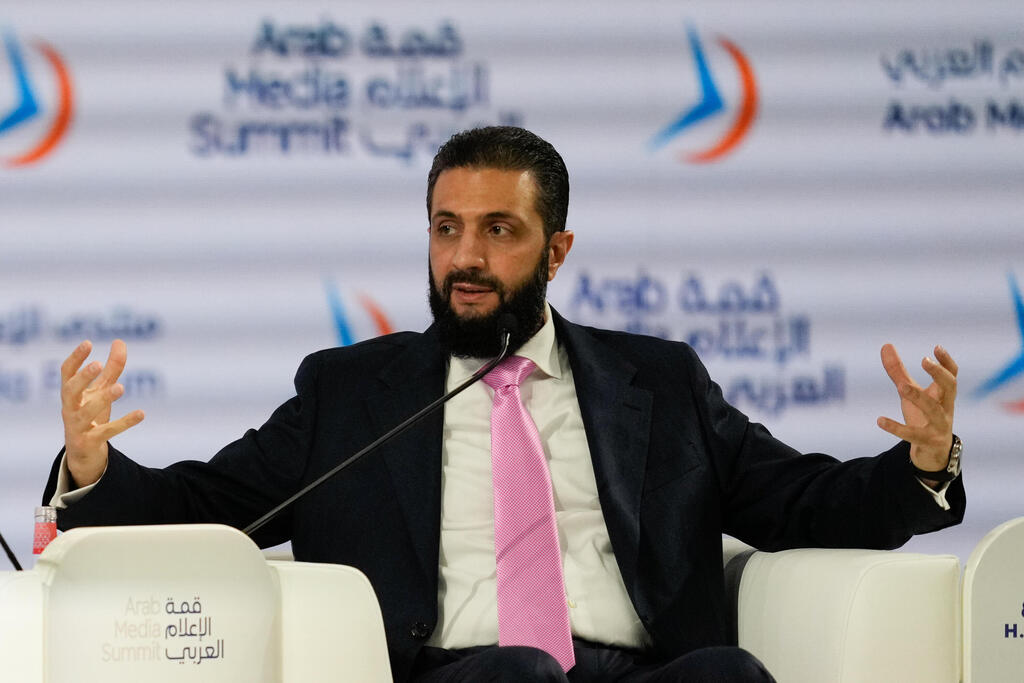
Syrian President Ahmad al-Sharaa
(Photo: AP Photo/Altaf Qadri)
The London-based Al-Quds Al-Arabi newspaper reported that while protests continued for a third consecutive day Tuesday, their scale had diminished and demonstrations were largely concentrated in Syria’s northern and eastern provinces.
Syria is not alone in facing rising fuel costs. Lebanon also reported significant increases in gasoline and diesel prices Tuesday.
Lebanese Prime Minister Nawaf Salam warned against using higher global fuel prices as justification for private generator operators to charge customers above official rates.
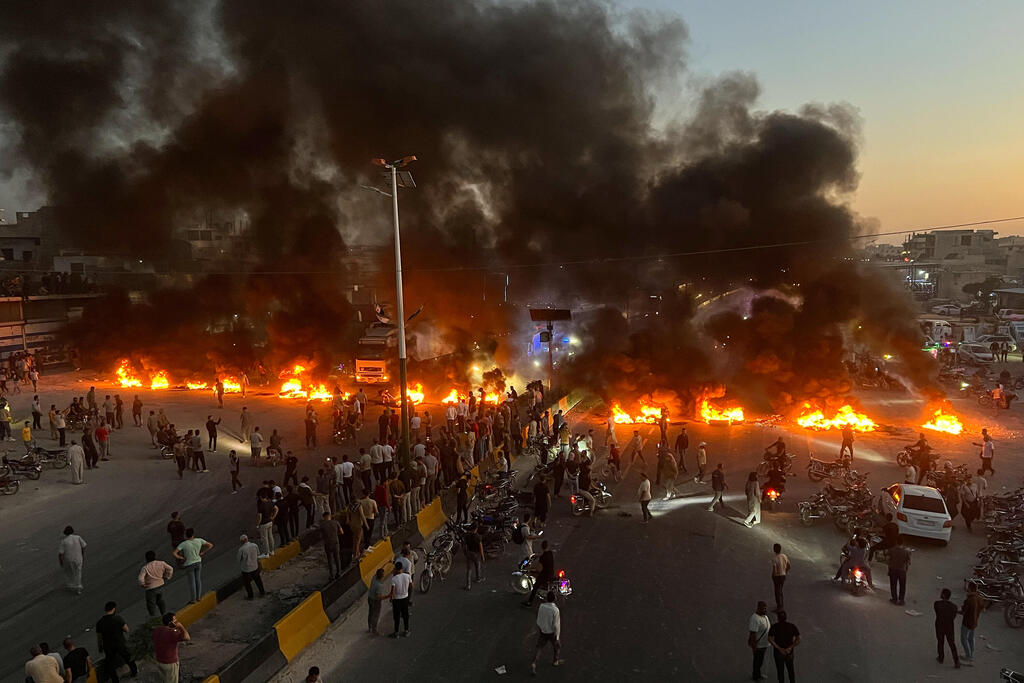
Protests erupt in Idlib, Syria following rising gas prices, September 13, 2026
(Photo: AP Photo/Ahmed Albam)
“The global increase in fuel prices does not give anyone the right to exploit residents’ need for electricity, nor does it justify private generator owners exceeding the official tariff,” Salam said.
He said resolving Lebanon’s chronic electricity crisis and constructing new power plants would require billions of dollars in investment that the government currently cannot raise on its own.
Iraq is also experiencing a severe fuel crisis, with images in recent days showing long lines at gas stations across several provinces.
Some reports have linked Iraq’s shortages to the effects of the war with Iran, including the closure of the Strait of Hormuz. Iraqi authorities have faced mounting public criticism from residents who accuse the government of failing to meet the country’s domestic fuel needs.