

Venezuela’s Defense Ministry, under the rule of President Nicolás Maduro, who was captured in a U.S. special operation earlier this year, allocated funds in 2020 to purchase ballistic missiles from Iran worth more than $400 million, two sources familiar with internal administrative documents confirming the deal told Politico.
Politico noted that reports of discussions between Iran and Venezuela over the acquisition of ballistic missiles capable of reaching the United States had already surfaced during President Donald Trump’s first term. Elliott Abrams, who served as Trump’s special envoy to Iran and Venezuela at the time, said Caracas ultimately backed down under pressure from Washington and did not proceed with the purchase.
Gallery
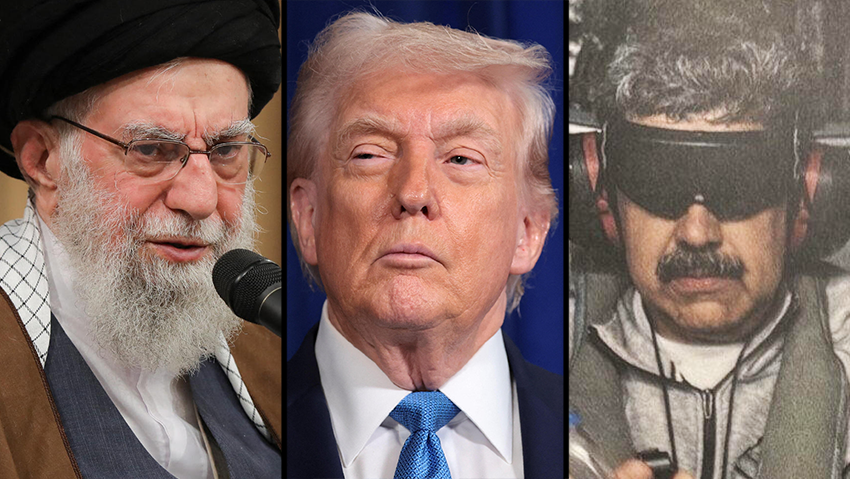
Maduro (right, after his capture), Trump and Khamenei Sr., who was assassinated
(Photo: REUTERS/Jonathan Ernst, KHAMENEI.IR / AFP)
However, a Jan. 17, 2020 memo from Venezuela’s Defense Ministry, described in detail to Politico by the two sources, suggests the talks over transferring ballistic missiles from Iran to Venezuela — seen by several U.S. administrations as a potential threat to national security — were more extensive and advanced than previously reported.
The memo, which outlined how the deal would be carried out and was approved by then-Defense Minister Vladimir Padrino López, who was dismissed from his post by President Delcy Rodríguez about three weeks ago, provides concrete evidence that Venezuela took steps toward acquiring the missiles. It detailed plans for the government to channel funds through state-owned companies to complete the purchase and indicated the missiles would be launched from systems mounted on Venezuelan naval vessels.
Footage released in Iran of missile launches toward Israel last year


According to the report, despite what appeared to be advanced contacts between Venezuela and Iran, it remains unclear whether Caracas would have ultimately completed the deal, given the high risk of provoking the United States and the difficulty of securing funding amid the country’s severe economic crisis.
Abrams said the administration was “aware” of the talks between Caracas and Tehran at the time and made clear they were unacceptable, leading Venezuela’s efforts to eventually cease. He added that he was not familiar with the memo outlining the purchase plan.
In August 2020, seven months after the date on the memo, Maduro said in a televised address that buying missiles from Iran “had not occurred to us,” but called it “a good idea.”
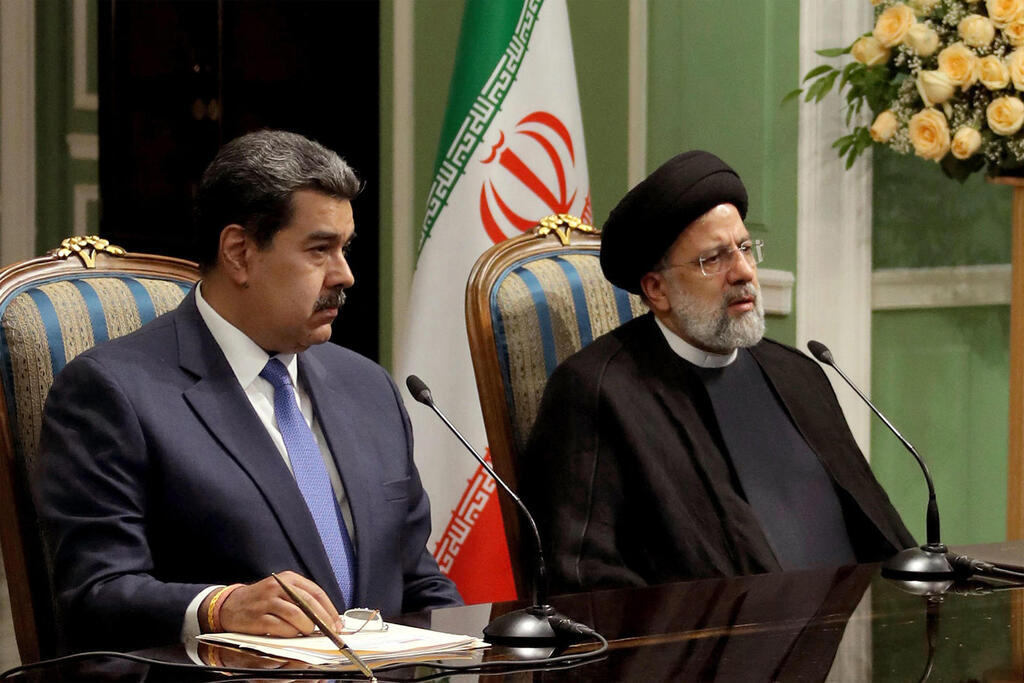
Maduro (left) with former Iranian President Raisi in 2022
(Photo: AFP)
Venezuela has maintained close ties with Iran for decades, rooted in cooperation through the Organization of the Petroleum Exporting Countries, known as OPEC. The report said those ties became a growing concern in Washington over the past two decades, after leftist leader Hugo Chávez sought to strengthen relations with U.S. adversaries. Under Chávez and his successor Maduro, the countries signed dozens of cooperation agreements and defended one another against U.S. criticism and sanctions. Iran has also previously supplied Venezuela with military equipment, including drone systems.
There is no indication that Iran’s influence in Venezuela was a factor considered when the U.S. military captured Maduro in January. However, U.S. officials have since cited Caracas’ ties with Tehran as part of the justification for the operation to remove him from power. Secretary of State Marco Rubio said in January that Maduro’s capture meant Venezuela could no longer “move closer to Hezbollah and Iran in our hemisphere,” while Interior Secretary Doug Burgum said last month that Venezuela poses a direct threat to the United States due to its military ties with Iran.