

An Israeli national was arrested Tuesday in the Turkish-controlled part of northern Cyprus on suspicion of involvement in illegal embryo trafficking, authorities said. Officials also raided a local clinic and arrested two Turkish citizens, the clinic’s director and a local doctor.
The three suspects are accused of attempting to remove embryos from Turkish Cyprus without the required permits. They were brought before a court, which extended their detention by one day to allow investigators to continue the probe, collect testimony and review security camera footage.
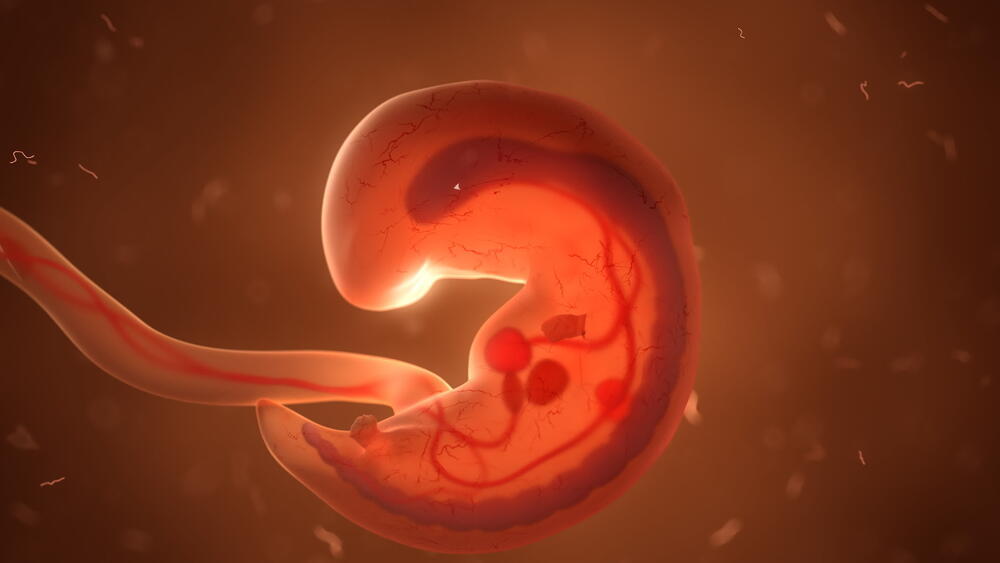
The Israeli was arrested at Ercan Airport in the Turkish-controlled part of the island while attempting to leave for Mexico via Istanbul. Authorities said he was carrying a specialized embryo transport container labeled “Life Parcel.” Four embryos were found inside, stored in four separate test tubes.
A police representative told the court that the Israeli was arrested May 19 at 9:30 a.m. at a checkpoint known as “Gate 8,” shortly before boarding his flight. Investigators say the embryos were taken from a fertility center in Lefkoşa, the de facto capital of Turkish Cyprus, known internationally as northern Nicosia, and that no official approval had been received from the local Health Ministry to remove them from the country.
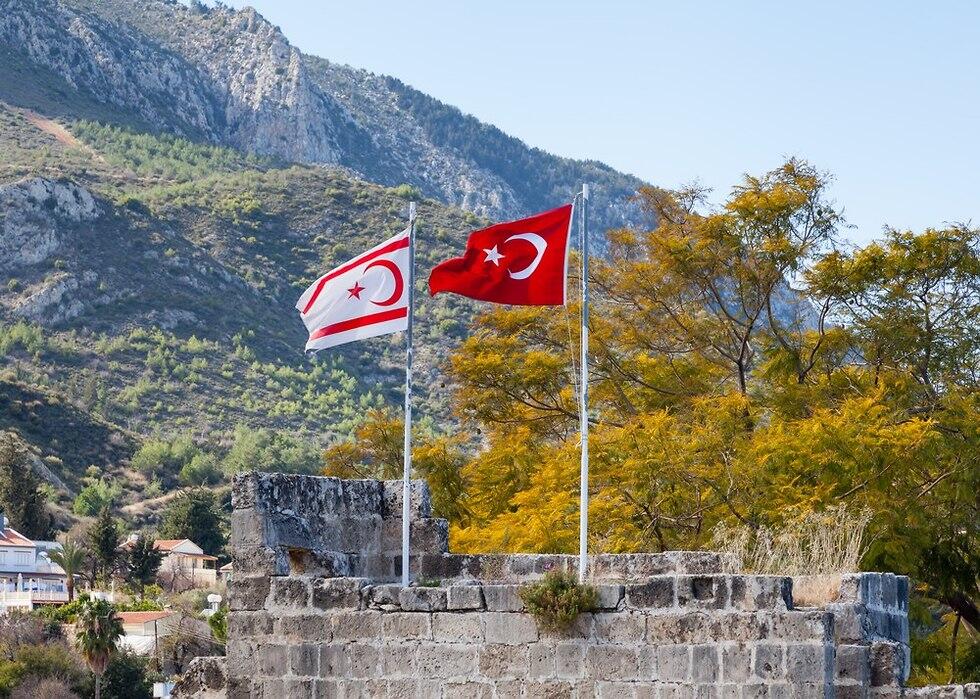
Turkish Cyprus
(Photo: Shutterstock)
People familiar with the case said the main suspicion involves violations of laws governing the transplantation of human cells, tissues and organs. Authorities are also investigating suspected illegal embryo trafficking and their transfer through different countries. According to one account, the shipment’s destination was Mexico.
The investigation is also focusing on the suspected smuggling route. Ercan Airport in northern Cyprus is not officially recognized by many countries, and most flights from it travel to Turkey, mainly Istanbul. Turkish Cyprus is recognized as an independent state only by Turkey.
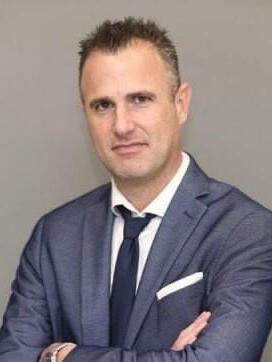 Nir YaslovitzhPhoto: Ronit Yinon
Nir Yaslovitzh, an attorney specializing in international criminal law, said cases involving medical regulation, IVF, transfer of genetic material and cross-border issues have increased significantly in recent years.
“This is a complex legal field that unfolds simultaneously before law enforcement authorities, health officials and various international mechanisms,” Yaslovitzh said. “In many cases, the central legal question is not only what was done, but how the procedure was arranged with the authorities and what regulatory framework applied.”