

Iran confirmed Tuesday that its representatives met U.S. officials on the sidelines of the UN General Assembly in New York, opening a new diplomatic channel even as Tehran laid out conditions for reopening the Strait of Hormuz and President Donald Trump renewed threats of military action. Trump said the talks lasted three hours and described them as “very good.”
Trump said his envoys Steve Witkoff and Jared Kushner took part in the meeting with the Iranian delegation. Iranian state media said Foreign Minister Abbas Araghchi met Witkoff and presented Tehran’s conditions for reopening the strategic waterway. Qatar has been working with Pakistan to revive dialogue between Washington and Tehran.
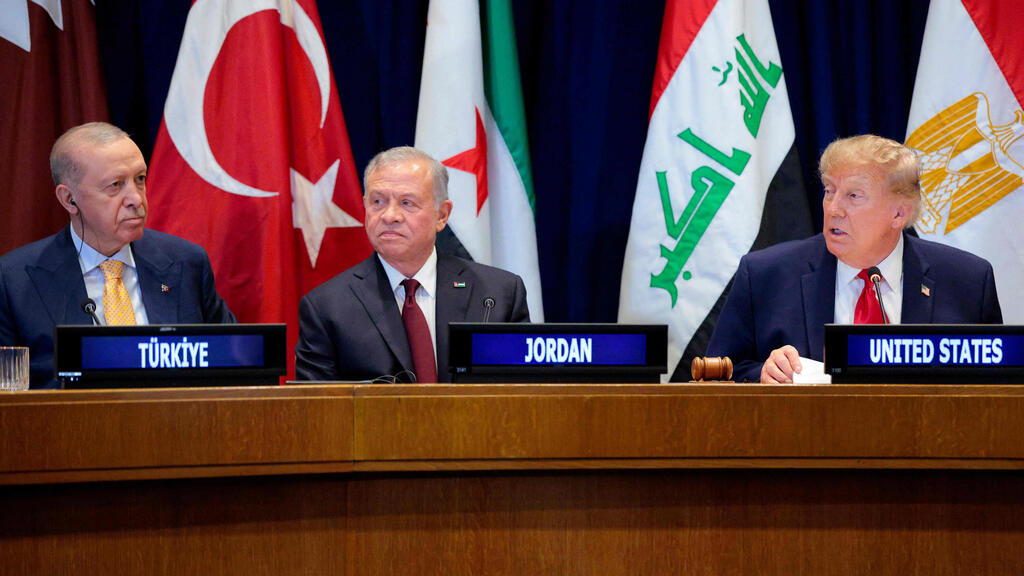
Iran sets Hormuz terms after US talks as Trump warns Tehran time is running out
(Photo: CHIP SOMODEVILLA / GETTY IMAGES NORTH AMERICA / AFP)
According to Iranian media, Tehran agreed to the meeting after a request from Witkoff in order to present its terms. The demands included an immediate lifting of the U.S. blockade, the release of frozen Iranian assets and an end to fighting across what Tehran calls the “resistance fronts.” Similar demands had been outlined publicly by Iranian officials in the days leading up to the UN gathering.
The publicly reported Iranian conditions focused on the Strait of Hormuz and the wider regional conflict, without addressing Iran’s nuclear program.
Trump, who first disclosed the talks to reporters, later met Arab leaders and representatives gathered in New York and struck an optimistic tone about the diplomatic effort.
“Steve and Jared had a very productive meeting today,” Trump said, adding that he believed there was “a lot of momentum” toward an agreement. The president has also said he expects Iran to reach a deal after the U.S. midterm elections in November.
Yet Trump again paired his talk of diplomacy with threats of military action.
He said the United States was monitoring Pickaxe Mountain, the deeply buried site near Iran’s Natanz nuclear complex that Washington has previously threatened to strike, and said the U.S. would attack if it detected renewed activity there. Trump has repeatedly raised the possibility of striking the site amid concerns about Iranian nuclear activity.
Trump also issued a broader warning to Tehran after the talks.
“We are completely isolating Iran financially and simply applying pressure, because we hope they will do the right thing quickly before it’s too late,” he said. “There will come a point when it’s too late, and we will no longer have the option of allowing them to survive as a nation.”
The comments underscored the gap that remains despite the renewed contacts. Iran says it could reopen the Strait of Hormuz within days if Washington eases military pressure and lifts its blockade on Iranian ports, while U.S. officials continue to press Tehran for a broader settlement.
In Israel, officials continue to assess that Trump does not want a major new escalation with Iran before the U.S. midterm elections. The renewed diplomacy in New York is viewed as an attempt to exhaust the diplomatic track, but the underlying assessment remains that Washington and Tehran are still far apart.
Israeli officials assess that Iran is unlikely to accept Trump’s terms and that the U.S. president is equally unlikely to accept Tehran’s demands, with each side viewing the other’s conditions as requiring unacceptable concessions.
Israel is therefore preparing for several possible outcomes, including a rapid collapse of the talks, while officials say it remains unclear whether the renewed diplomatic push will ultimately produce an agreement.