

Israeli military officials told The Wall Street Journal that Israel recognizes it cannot destroy Iran’s military capabilities in the current operation, but said Tehran’s ability to threaten Israel, the United States and their allies has been significantly degraded.
Amid concerns in Israel that U.S. President Donald Trump could push for a swift end to the war or a temporary ceasefire as part of negotiations, Israeli security officials said that even if the fighting stops now, they would view the operation as a success. The U.S. military said this week that most of Iran’s missile production facilities, drones and naval vessels have been destroyed.
Gallery
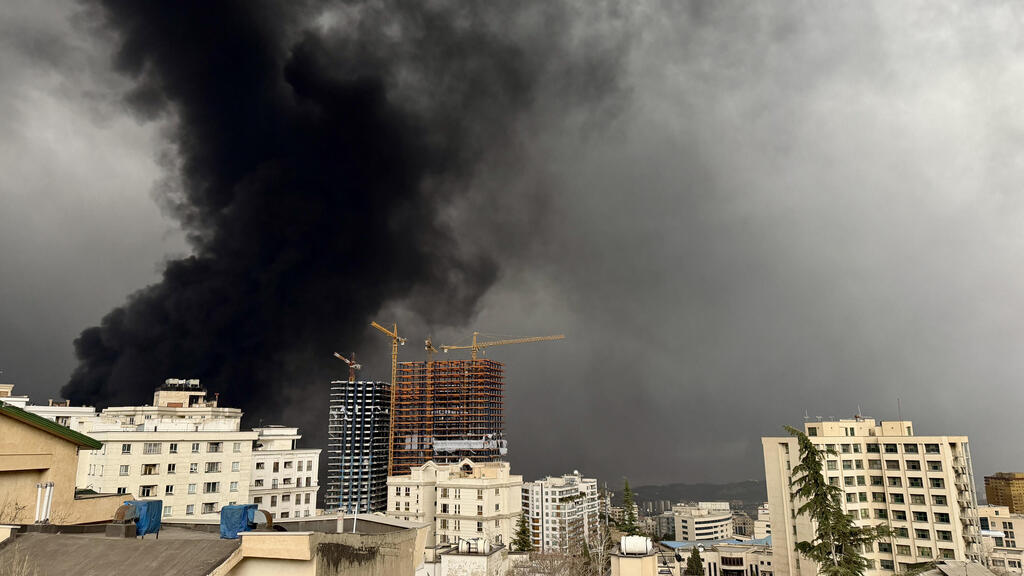
Smoke rises from oil facilities in Tehran after IDF strikes
(Photo: Majid Saeedi/Getty Images)
However, the report noted that some Israeli security officials are less optimistic, pointing to Iran’s refusal to accept limits on its missile program or halt support for proxy groups in the Middle East. They also highlighted that Iran still possesses a significant stockpile of uranium enriched to 60%, which could be relatively quickly converted into weapons-grade material.
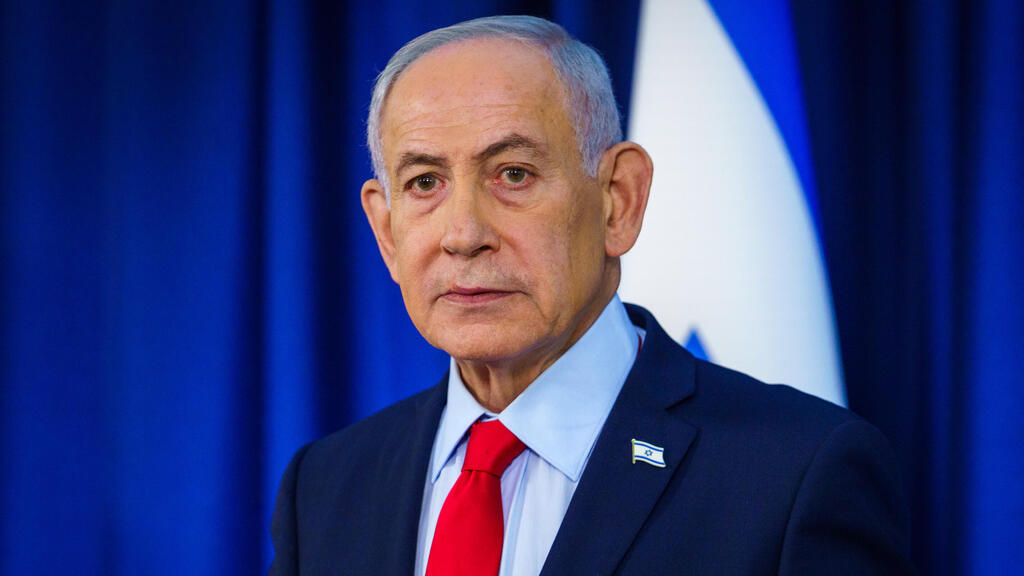
Netanyahu; no longer publicly calling on Iranians to rise up
(Photo: Shalev Shalom)
According to the report, Israel has shifted the focus of its air campaign in Iran, concentrating more on degrading its military industry and less on destabilizing the regime. The change, the newspaper said, indicates that Israel has “given up on the hope of toppling the Iranian regime from the air.”
The report added that the Israeli military has not recently announced new strikes on Iran’s internal security services, and attacks on Basij forces — which pushed them into hiding but did not undermine their control on the ground — have also ceased. Prime Minister Benjamin Netanyahu has also stopped publicly calling on Iranians to rise up against their government.

IDF strike on Basij forces
(Photo: IDF Spokesperson’s Unit)
The Wall Street Journal further reported that Iran wants the United States to scale back its demands in the proposed “15-point plan” before agreeing to negotiate an end to the war. While Tehran is open to talks, it views the U.S. demands — including dismantling much of its nuclear program, ending support for regional proxies and restricting its missile program — as excessive.