

Israel carried out a warning strike targeting Syrian regime forces and allied Bedouin militias near Sweida, according to reports Sunday on Sabereen and other media outlets affiliated with Iran’s regional axis. The strike was said to have hit near the road linking rural Daraa to rural Sweida — an area where government troops had backed Bedouin fighters in clashes with local Druze militias.
The reported strike came as Bedouin clans began withdrawing from the Druze-majority city following more than a week of violent sectarian clashes and a U.S.-brokered ceasefire. Humanitarian aid convoys have since entered the battered southern city amid a fragile and uneasy calm.
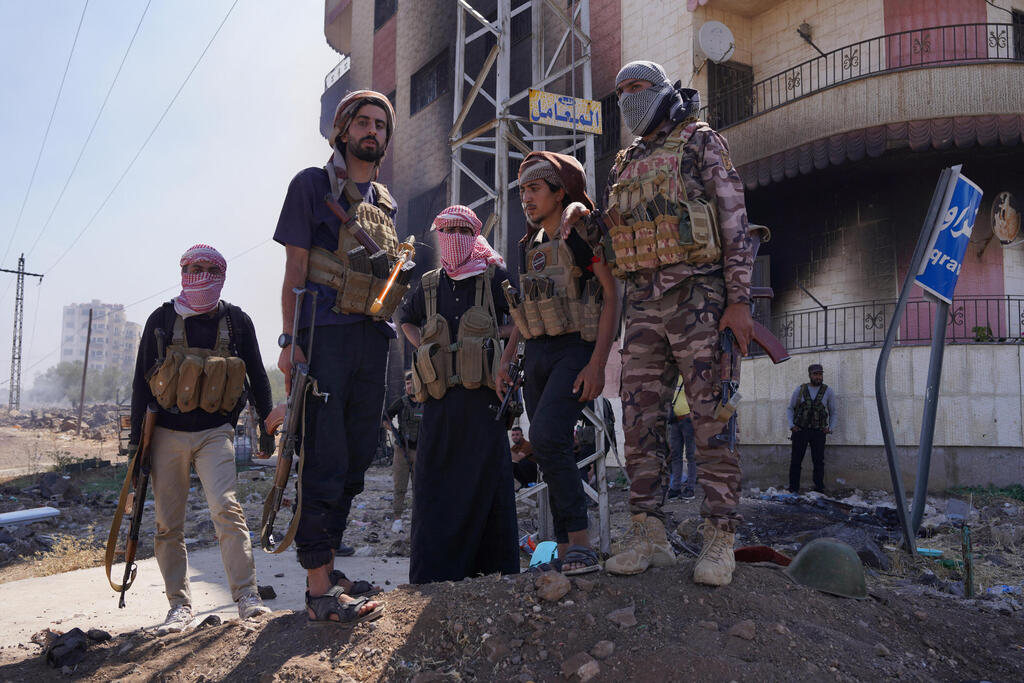
Syrian regime forces in Sweida


The fighting, which broke out between militias of the Druze religious minority and Sunni Muslim clans, killed hundreds and threatened to unravel Syria’s already tenuous postwar transition. Israel reportedly launched dozens of airstrikes in Sweida province, targeting regime positions that had effectively sided with the Bedouins.
The violence also triggered a wave of retaliatory sectarian attacks. Initial tit-for-tat kidnappings escalated into full-blown street battles, with Druze civilians targeted by Bedouin fighters and government forces. Online videos showed Druze homes vandalized, religious portraits destroyed, and elderly men subjected to cultural humiliation — including the forced shaving of mustaches. In response, Druze militias attacked Bedouin-majority towns on the outskirts of the province, forcing families to flee to neighboring Daraa.
The Syrian Red Crescent said it sent 32 trucks loaded with food, medicine, water, fuel, and other essentials after the clashes caused widespread power outages and critical shortages. Syria’s state news agency SANA said the convoy entered Sweida on Sunday, but accused Druze leader Sheikh Hikmat al-Hijri’s armed supporters of blocking another government-affiliated aid mission.
Al-Hijri issued a statement denying any sectarian agenda and said his group welcomed humanitarian assistance. “We reaffirm that we have no dispute with anyone on any religious or ethnic basis,” the statement read. “Shame and disgrace be upon all those who seek to sow discord and hatred in the minds of young people.”
Interim President Ahmad al-Sharaa, who has voiced sympathy for the Bedouins, appealed for calm while asserting the authority of the central government. “We thank the Bedouins for their heroic stances but demand they fully commit to the ceasefire and comply with the state’s orders,” he said in a national address Saturday.
Despite the withdrawal, many Bedouin fighters remain on the outskirts of Sweida, surrounded by military police. Khaled al-Mohammad, a tribal leader from Deir al-Zour, told the Associated Press they would not leave until Sheikh al-Hijri and his associates surrender. “We will not leave until he turns himself in alongside those with him who tried to stir sedition,” he said.
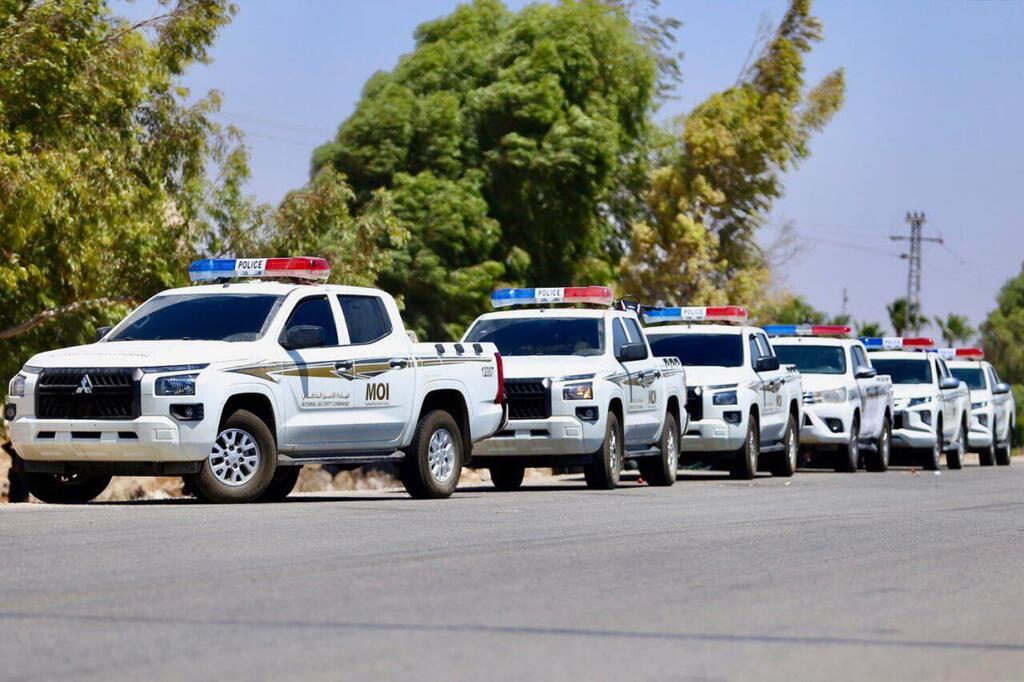
Syrian internal security forces in Sweida
The U.N. International Organization for Migration said 128,571 people were displaced during the clashes — including more than 43,000 on Saturday alone.
U.S. envoy to Syria Tom Barrack called for an immediate end to the fighting. “All factions must immediately lay down their arms, cease hostilities and abandon cycles of tribal vengeance,” Barrack posted on X. “Syria stands at a critical juncture — peace and dialogue must prevail — and prevail now.”
The Druze community, which largely celebrated the fall of the Assad regime, had initially expressed cautious optimism about the country’s postwar future. But the recent violence — combined with the government’s alliance with Bedouin militias — has deepened their skepticism toward Damascus and its new leadership.
Get the Ynetnews app on your smartphone: Google Play: https://bit.ly/4eJ37pE | Apple App Store: https://bit.ly/3ZL7iNv
Sheikh al-Hijri’s confrontational stance has divided the Druze themselves. While many community leaders favored diplomatic engagement with President al-Sharaa, al-Hijri’s history of support for the Assad regime and his recent militancy have fueled internal dissent — even as Druze across Syria, Lebanon, and Israel watch anxiously from afar.