

A doll to hug, chess lessons, no phones and prison cells locked every night at 8 p.m. This is the facility Sweden is preparing for some of its youngest and most violent offenders, as the country struggles with a wave of gang shootings and bombings increasingly carried out by children.
For more than a decade, Sweden has been shaken by gang-related violence unlike anything previously seen in the Nordic country. Many of the attacks have been committed by minors, including children as young as 11, recruited online by criminal gangs to carry out shootings, bombings and contract killings.
Gallery
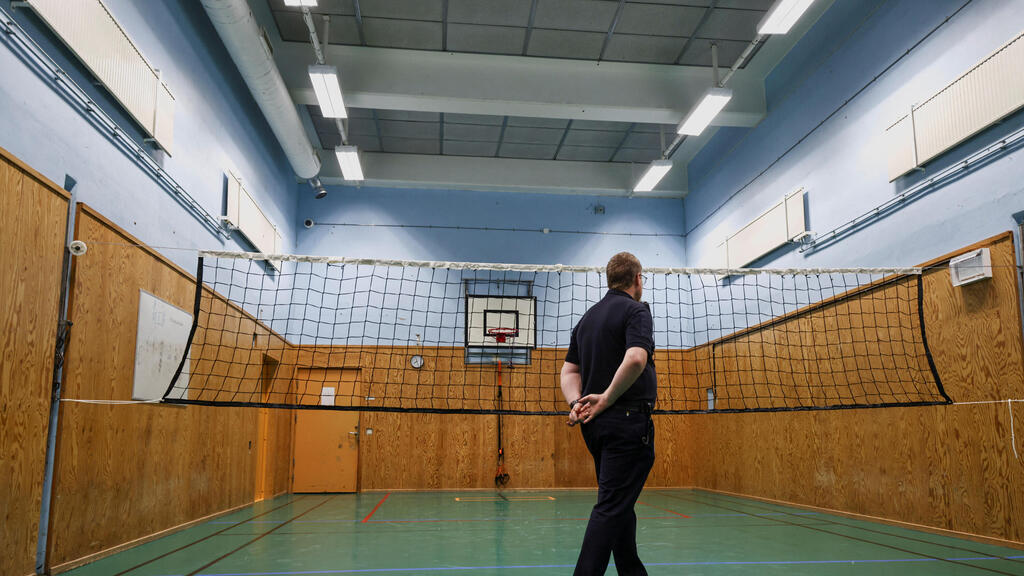
At Rosersberg prison north of Stockholm, which is being prepared for young offenders: ‘They will grow up here’
(Photo: REUTERS/Tom Little)
Now the Swedish government says the softer approach it once relied on has failed. Ahead of a tight election in September, in which crime is expected to be a central issue, the government is preparing to lower the age of criminal responsibility from 15 to 13 and send some children convicted of the most serious crimes to special prisons instead of youth welfare institutions.
“We are in an emergency situation,” Justice Minister Gunnar Strommer said in April. “Last year, 52 children under the age of 15 were involved in legal proceedings on suspicion of murder or attempted murder, so we are not just talking about theft, and not even just assault or robbery. We are talking about murder.”
Sweden has been fighting criminal gangs that run drug trafficking networks, large-scale fraud operations and robberies, generating an estimated 185 billion Swedish crowns, or about $20 billion, a year. Police estimate that the country has about 17,500 active gang members and another 50,000 associates.
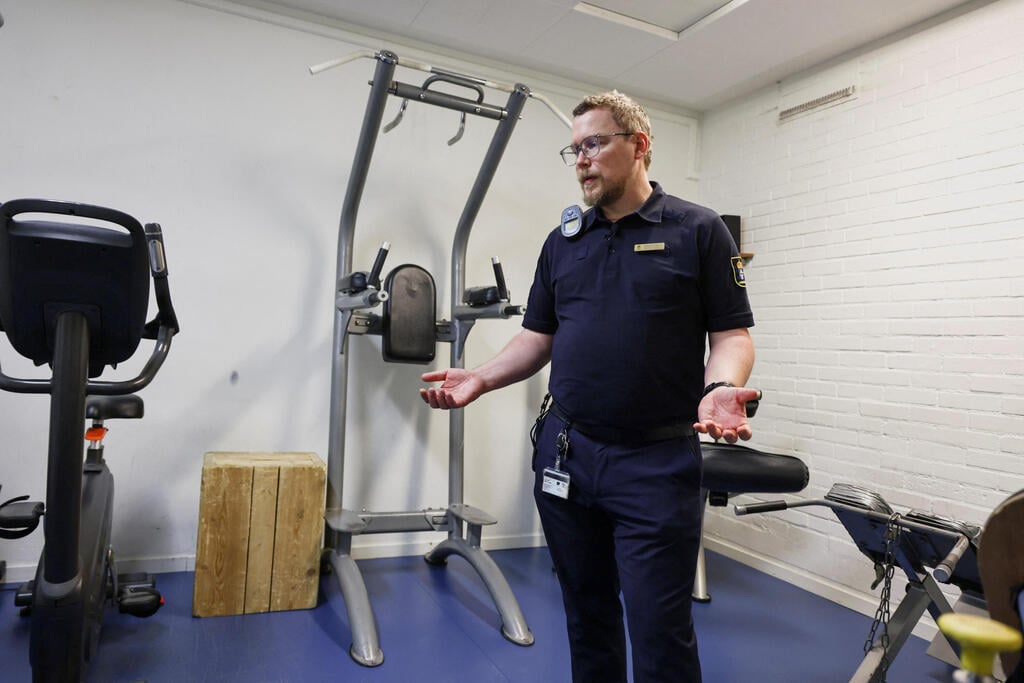
Prison governor Gabriel Wassman in the gym awaiting inmates. Cells will be locked each night at 8 p.m.
(Photo: REUTERS/Tom Little)
The gangs use social media to recruit teenagers, and in some cases children, to carry out killings and bombings across the Nordic region. Authorities say criminal groups exploit the fact that young recruits are below the age of criminal responsibility or are likely to receive lighter punishment.
Compared with neighboring Denmark, Finland, Iceland and Norway, Sweden has an unusually high number of violent incidents involving minors. In 2022, 73 Swedes aged 15 to 20 were suspected of murder or attempted murder using firearms, a sharp increase from just 10 a decade earlier.
Under the bill now moving through parliament, Sweden would lower the criminal responsibility age to 13, placing it below most European countries. Minors convicted of the most serious offenses would be incarcerated in special prisons, including one facility designated for girls.

(Photo: REUTERS/Tom Little)
Parliament is expected to vote on the law on June 15. The measure would be reviewed after five years. It is part of a broader government push against gang violence that also includes longer prison sentences and expanded police powers.
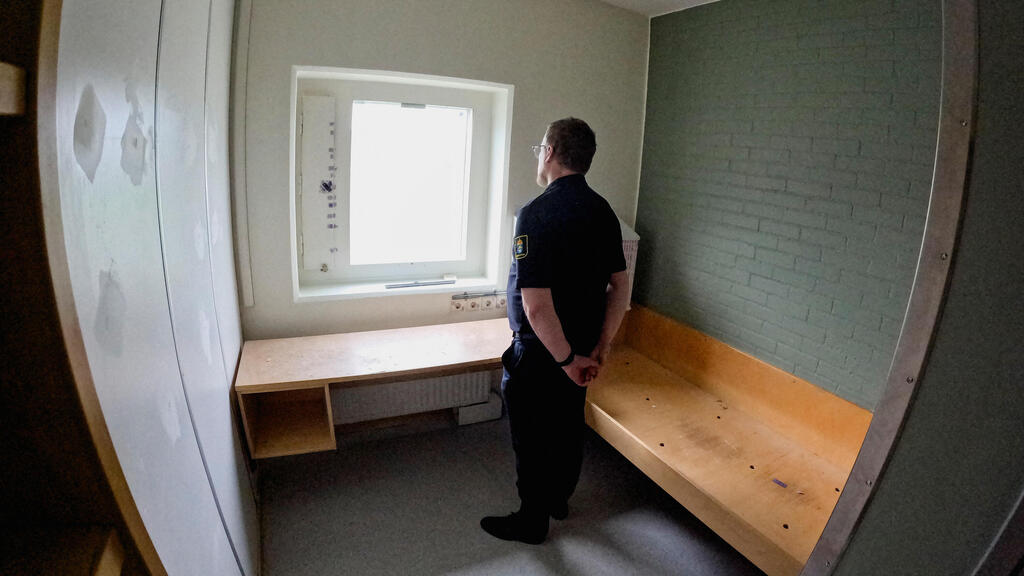
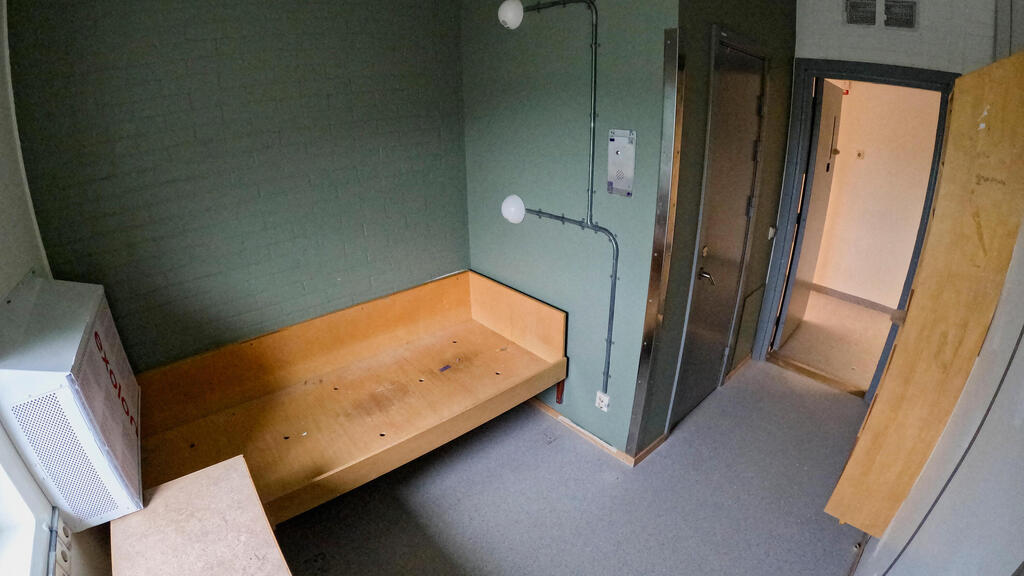
Inside one of the prison cells. Life there will 'focus on studies'
(Photo: REUTERS/Tom Little)
(Photo: REUTERS/Tom Little)
The right-wing government says its strategy is beginning to show results. Forty-four people were shot dead in 2025, down from a peak of 62 in 2022, and more gang members are now behind bars. But stopping gangs from recruiting children will be a far harder task.
The government argues that prison will act as a deterrent and that intensive rehabilitation programs will reduce repeat offending.
At Rosersberg prison, north of Stockholm, one of three facilities now being renovated for the most violent young offenders, daily life behind bars will focus on schoolwork. In their free time, inmates will be able to watch television, play video games or exercise in a gym. Their cells will be locked each evening at 8 p.m.
Prison governor Gabriel Wassman expects the first young inmates to arrive after the summer. Compared with adult prisoners, he says, the biggest challenge will be giving teenagers, some of whom have never lived away from their parents, comfort and support.
“They will grow up here,” he said, adding that the prison must help them get through adolescence.
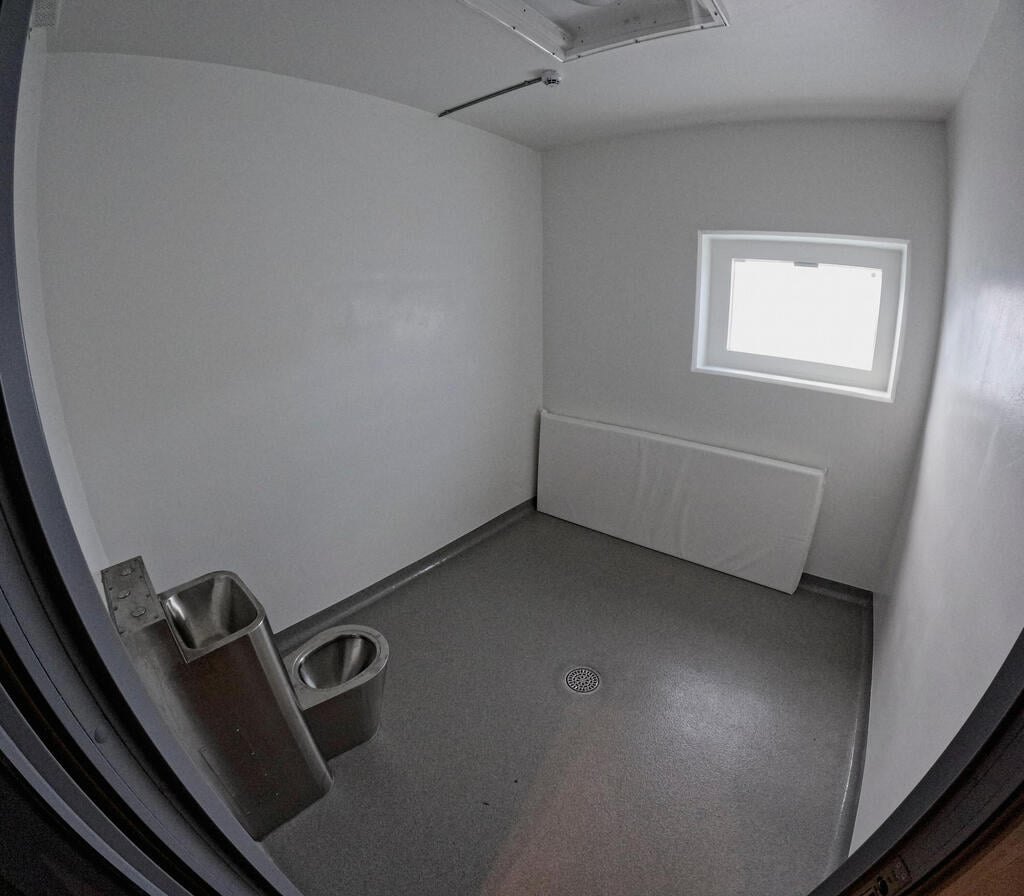
A solitary confinement under construction at Rosersberg prison. Eight in 10 young offenders end up in prison as adults
(Photo: REUTERS/Tom Little)
Phones will not be allowed. Instead, inmates will be offered activities such as chess lessons, which officials hope will help improve concentration.
Wassman said the children expected to arrive will also need emotional outlets, and he is already preparing for that.
“In the outside world, it is not unusual for boys this age to have soft toys,” he said. “Maybe we should make sure we have one in every cell.”
Young gang members in Sweden often reoffend. Until now, the most serious juvenile offenders have been handled by social services, but that system is widely seen as having failed. According to a report by Sweden’s National Audit Office, nine out of 10 young gang members placed in youth institutions reoffend, and eight out of 10 eventually end up in prison as adults.
The government says incarcerating children will protect the public, deliver justice for victims and sever young offenders’ ties to criminal gangs. Critics, however, warn that the policy could do lasting damage to the children themselves.
“A 13-year-old is a child, someone who is not even legally old enough to buy energy drinks,” said Vilma Ruth, a spokesperson for the opposition Center Party. “Children under 15 who commit serious crimes need to be taken into care and given help, not locked up.”
Law enforcement and prison authorities in Sweden have also raised concerns. The move comes as other countries are debating whether to raise the age of criminal responsibility. In Northern Ireland, for example, the age is 10, and there have been calls to increase it. Denmark lowered its criminal responsibility age to 14 in 2010, but researchers later concluded that the change had no effect on crime levels.
Felipe Estrada Dorner, a criminology professor at Stockholm University, said imprisoning children who are already on society’s margins could damage their chances of building normal lives. At the same time, he said, society must be protected.
“We cannot afford to have murderers walking around our streets,” he said.