

As questions grow over whether Yemen’s Houthi rebels will join the war between Israel and Iran, officials in the movement say their missile stockpiles have been significantly depleted.
Two members of the Houthis told The Associated Press on Sunday that the terror group’s weapons reserves have dwindled after heavy use during the months of fighting between Israel and Hamas, a claim that may partly explain the rebels’ decision so far not to intervene in the Israel-Iran war, unlike Hezbollah.
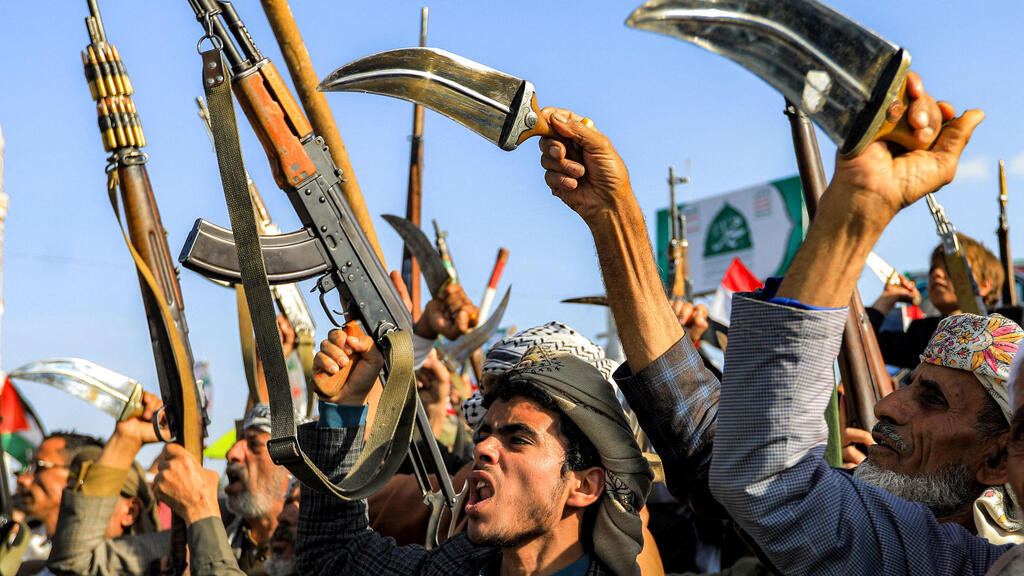
According to the two sources, which belong to the Houthis' media arm and the group’s political bureau, the conflict between Israel and the United States on one side and Iran on the other has also slowed the flow of weapons to the movement.
Another official familiar with the matter, however, told AP that the Houthis still possess a substantial arsenal of drones.
Since the start of the attack on the Islamic Republic, the Houthis have refrained entirely from firing toward Israel, a decision that surprised many observers.
In a statement released Thursday in the name of Iran’s new supreme leader, Mojtaba Khamenei, Tehran was quoted as saying it could open additional fronts in the war. Analysts speculated that the remark might signal possible Houthi involvement.
Houthi leader Abdul-Malik al-Houthi has repeatedly stressed in recent speeches that his organization stands ready to intervene if necessary, saying its "finger is on the trigger," though he has not clarified what form such intervention might take.
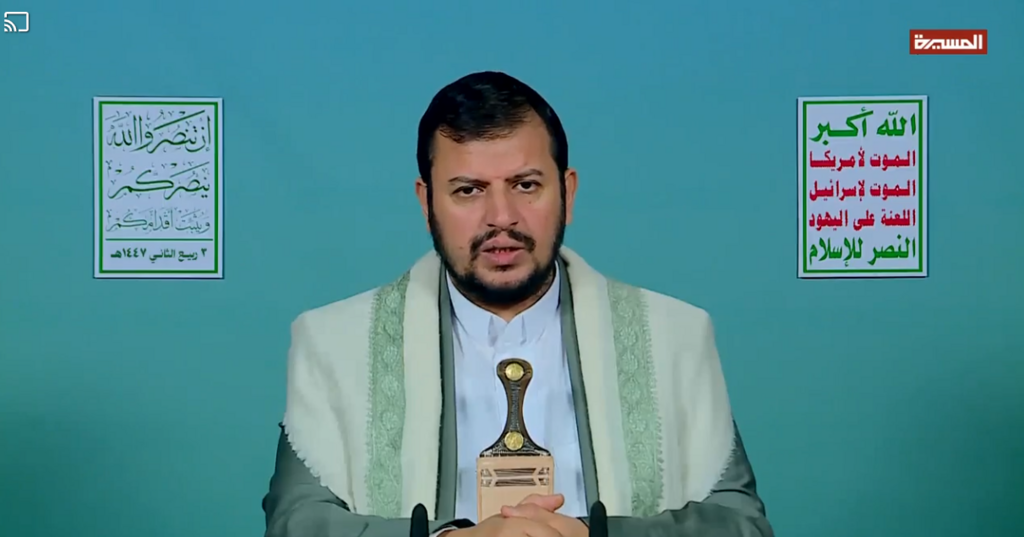
Houthi leader Abdul-Malik al-Houthi
Such involvement could include launching drones and missiles toward Israel and toward other states Tehran views as cooperating with Washington, such as Saudi Arabia and the United Arab Emirates. It could also mean renewed Houthi attacks on commercial shipping in the Red Sea.
By targeting oil tankers, the Houthis could further destabilize global energy markets, a pressure tactic Iran hopes might force US President Donald Trump to end the war.
The two Houthi officials who spoke to AP also said the United States had delivered messages to the group through Omani mediators, warning them not to intervene.
According to their account, Houthi political and military leaders were also told that their mobile phones were under surveillance by US and Israeli intelligence.
Fearing possible Israeli assassination attempts, Houthi leaders have reportedly been instructed not to appear in public.