

French President Emmanuel Macron on Wednesday sharply criticized U.S. President Donald Trump and other foreign leaders for exploiting France's recent riots for political gain, accusing them of amplifying misinformation and promoting false claims that Muslim immigrants were attempting to take over the country.
The diplomatic confrontation came as France faced growing political tensions ahead of its 2027 presidential election, with far-left leader Jean-Luc Mélenchon separately accusing Israeli Prime Minister Benjamin Netanyahu of influencing French elections.
Gallery
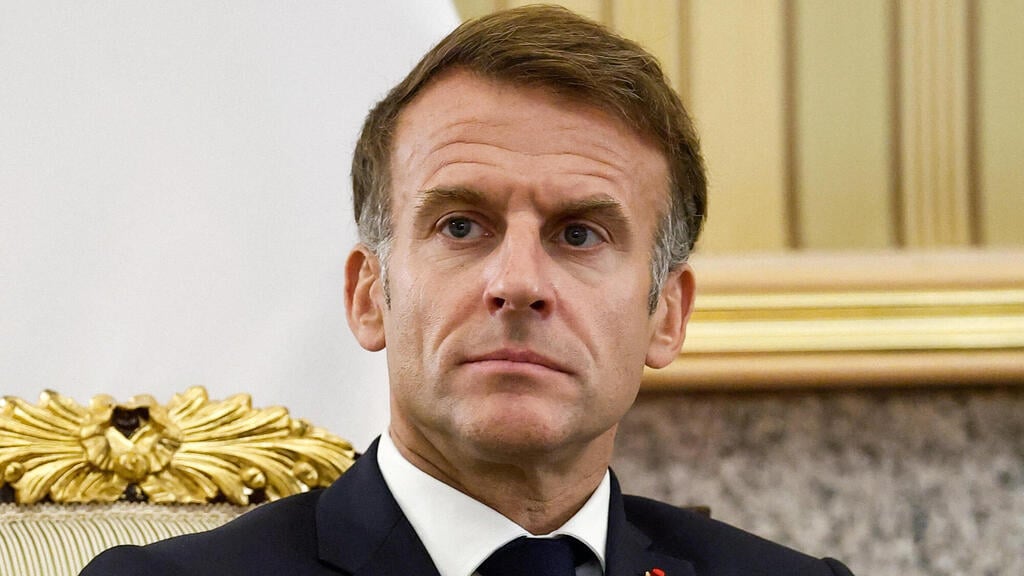
French President Emmanuel Macron during his visit to Kuwait
(Photo: REUTERS/Benoit Tessier/Pool)
Speaking to reporters in Doha, Qatar, during a tour of Gulf states, Macron said the looting and violence that swept Paris and other French cities over the weekend had been followed by foreign manipulation of information, producing statements he described as unacceptable and foolish.
Asked directly whether his criticism was aimed at Trump, Macron replied: "Among others."
The French president said AI-generated images depicting events that had never occurred in France were being circulated alongside misleading narratives about the unrest. He rejected claims that the violence amounted to an Islamist or immigrant uprising.
Macron argued that politicians facing elections, both in the Middle East and across the Atlantic, were using France's domestic crisis to advance their own political agendas.
Trump claims Islam is trying to take over France
Trump first intervened in the French unrest early last week, when demonstrations initially centered on deteriorating conditions in the country's schools. The U.S. president rejected the explanation that education-related grievances were driving the protests, instead blaming immigration and Islam.
In a post on his Truth Social platform, Trump described the situation as uncontrolled mass migration and claimed that Islam was seeking to take over what he called a once-great country.
Following Saturday's violent disturbances, during which more than 2,000 people were arrested and approximately 3,000 businesses were reportedly looted or damaged, Trump again attacked France's immigration policies.
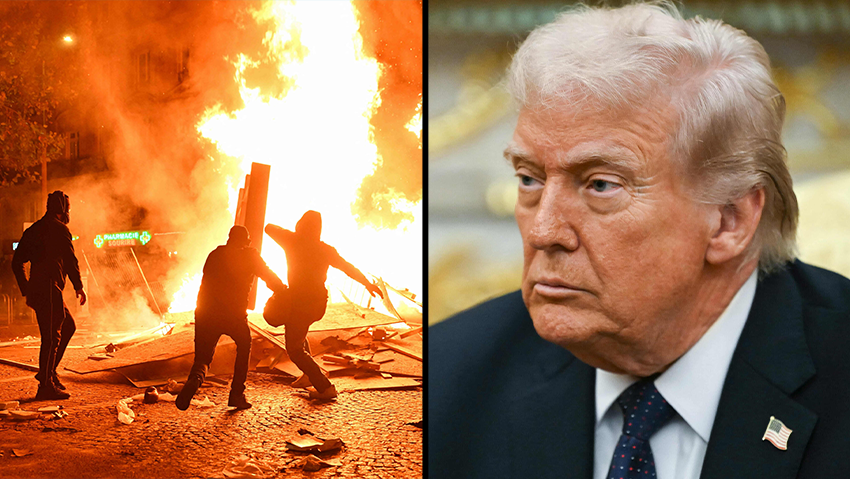
US President Donald Trump and scenes from the recent riots in France
(Photo: Andrew Caballero-Reynolds/AFP, Guillaume Saligot/AFP)
"France is burning!" he declared, blaming immigration from societies he described as fundamentally different and urging French authorities to close the country's borders before it was too late.
The protests, however, began over school funding, deteriorating educational facilities and rising living costs. Hundreds of thousands of people participated in largely peaceful demonstrations, although widespread looting, vandalism and confrontations with police erupted on their margins. French authorities have not established that Muslim immigrants were chiefly responsible for the violence.
Macron pointed to the circulation of fabricated images as evidence of how the unrest was being misrepresented internationally. One widely shared AI-generated image purported to show an elderly couple who had been robbed and stripped to their underwear during the riots. Fact-checkers established that the picture was fabricated, while French prosecutors said they had no evidence confirming the alleged attack.
The president did not specify precisely which AI-generated images he was referring to in his remarks Wednesday or identify the foreign actors responsible for the alleged manipulation.
French Foreign Minister Jean-Noël Barrot said his ministry was prepared to provide explanations to foreign governments to help them avoid spreading misinformation or amplifying baseless allegations on social media.
Macron's criticism also appeared to extend beyond Trump. Netanyahu, who faces an Israeli election on October 27, said Tuesday that France was experiencing what he described as an invasion of extremist Islam. Macron did not mention the Israeli prime minister by name, although he referred to foreign leaders campaigning both in the region and across the Atlantic.
Mélenchon accuses Netanyahu of influencing French elections
The accusations of foreign involvement have also become part of France's increasingly heated domestic political debate.
Last week, Foreign Minister Barrot warned of attempts by foreign actors to interfere in France's presidential election, scheduled for April and May 2027. He cited billionaire Elon Musk and an Israeli company among those raising concerns about outside influence on French political discourse.
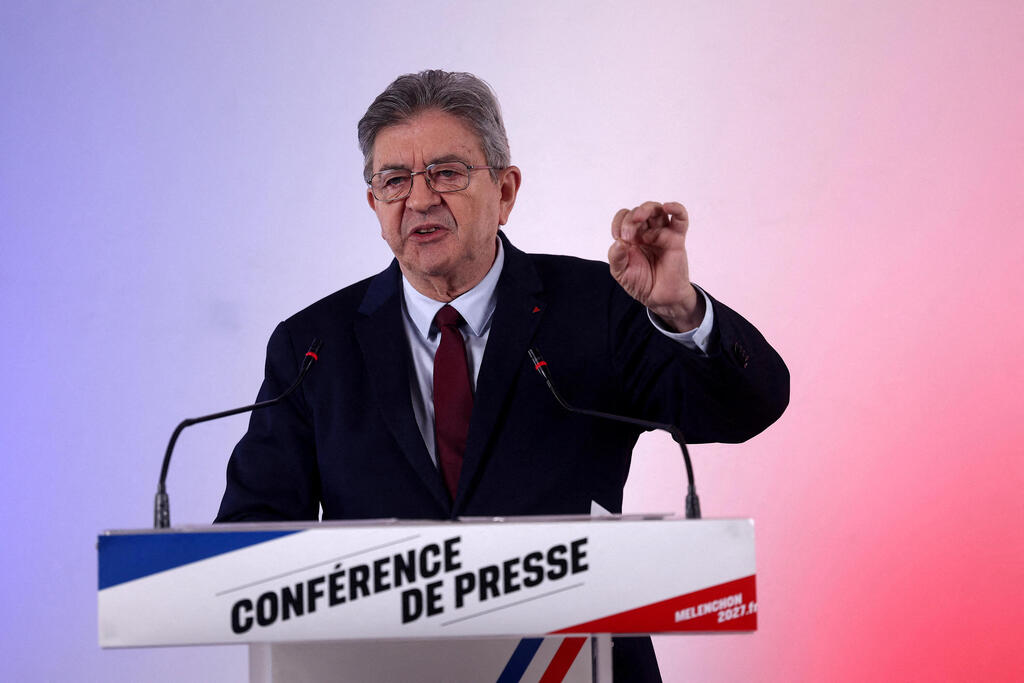
Jean-Luc Mélenchon, leader of the far-left La France Insoumise party, who accused Netanyahu of influencing French elections
(Photo: Abdul Saboor/Reuters/File)
According to Barrot, foreign actors have sought to exploit existing divisions over immigration, secularism and the Israeli-Palestinian conflict, using those contentious issues to deepen hostility and social tensions.
The minister referred specifically to an Israeli company accused of creating fake French social media accounts to manufacture confrontations over the Palestinian issue. The company was apparently BlackCore, which French authorities linked to an online influence operation targeting candidates from Mélenchon's La France Insoumise party, or LFI, during the municipal elections in March.
In June, Viginum, France's government agency responsible for detecting foreign digital interference, reported evidence linking the operation to Israeli actors, including BlackCore. The campaign sought to discredit LFI candidates and amplify divisive political messages. The agency also noted that the operation had achieved very limited visibility online.
French authorities requested Israeli assistance in investigating the allegations. However, the findings did not establish that Netanyahu personally directed the campaign or that the Israeli government had ordered it.
Mélenchon nevertheless invoked Netanyahu on Tuesday evening while responding to plans by Prime Minister Sébastien Lecornu to convene political and civic representatives for discussions about the unrest and possible threats surrounding next year's presidential election.
The far-left leader rejected accusations that his political camp posed the principal danger to the electoral process. Instead, he singled out Netanyahu, claiming that the Israeli prime minister was influencing elections in Marseille, Toulouse, Roubaix and Paris.
Mélenchon's remarks came amid mounting criticism of his party over the unrest. LFI played a prominent role in the demonstrations that preceded Saturday's violence, and politicians from other parties have accused the movement of contributing to the confrontational atmosphere.
Mélenchon, a longstanding critic of Israeli government policy and an outspoken supporter of the Palestinian cause, has repeatedly faced accusations from political opponents that his rhetoric fuels antisemitism and hostility toward Israel. He has disputed accusations of antisemitism.
The dispute over alleged foreign influence now forms another front in France's political confrontation, as the government and opposition exchange accusations about the origins of the unrest and the risks facing the presidential election.
Macron heads to Saudi Arabia as France braces for more protests
Meanwhile, Macron has faced criticism at home for continuing his Gulf tour while French security forces prepare for another major day of demonstrations on Saturday.
On Wednesday evening, the French president made an unannounced visit to Saudi Arabia, becoming the first Western leader to visit the kingdom since the latest escalation of Houthi attacks earlier this month.
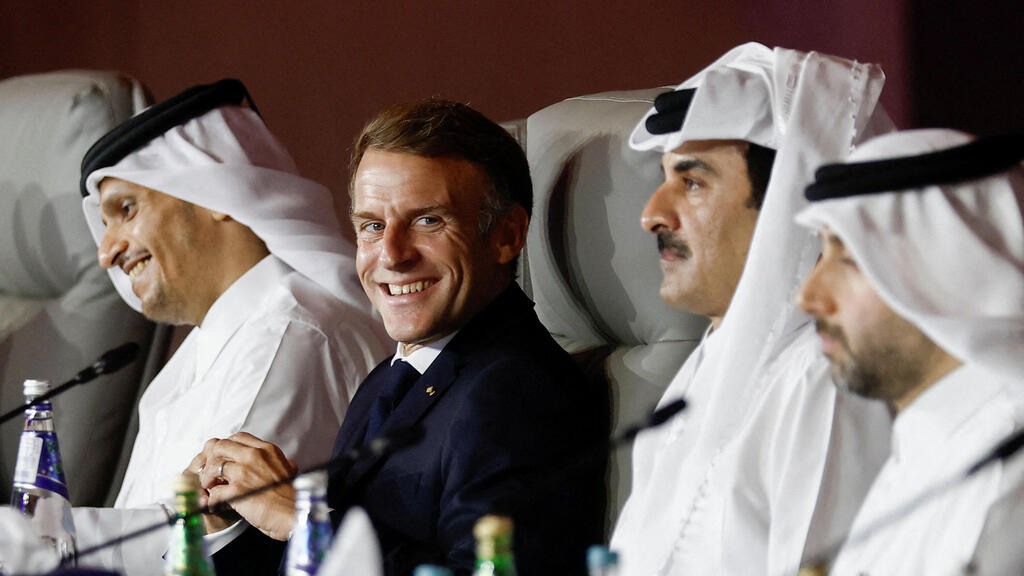
French President Emmanuel Macron during his visit to Qatar, where he criticized foreign leaders over claims about the riots
(Photo: Benoit Tessier/Pool/AFP)
He met Saudi Crown Prince Mohammed bin Salman after earlier stops in Kuwait, the United Arab Emirates, Bahrain and Qatar. The Saudi visit had not been announced in advance, apparently because of security considerations.
Macron has defended his decision to travel, arguing that securing additional energy supplies is essential to addressing the soaring fuel prices that have contributed to public anger in France.
During the tour, France secured commitments for an additional 200,000 metric tons of diesel each month from the United Arab Emirates and Bahrain, with each country expected to supply approximately 100,000 tons.
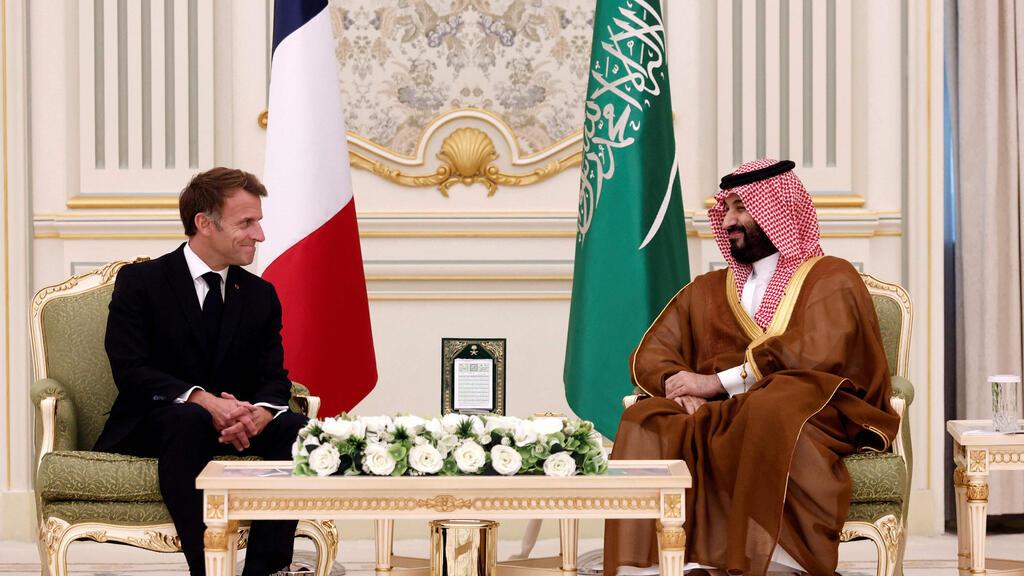
Macron meets Saudi Crown Prince Mohammed bin Salman in Riyadh during an unannounced visit focused on energy supplies
(Photo: Benoit Tessier/Pool/AFP)
Saudi Arabia had already committed to providing another 95,000 tons per month for October and November. During his visit to Riyadh, Macron secured a commitment to extend those additional supplies for as long as necessary.
Together, the agreements amount to approximately 295,000 tons of diesel per month, equivalent to more than 10% of France's monthly consumption.
The French government hopes the additional supplies will help contain fuel prices and ease some of the economic pressure driving the demonstrations.
But with another major protest planned for Saturday, Macron faces two immediate challenges: preventing a repeat of the violence that devastated parts of French cities and responding to the economic grievances underlying the unrest.
At the same time, the confrontation with Trump and Mélenchon's accusations against Netanyahu underscore how France's domestic crisis has become entangled with international politics and a growing battle over disinformation ahead of the presidential election.