

The quiet in southern Lebanon is deceptive.
Crossing the border, what was once a tense front line now appears as a transformed battlefield. For the first time since the end of Operation Northern Arrows in November 2024, and just after the ceasefire took effect, the IDF allowed Israeli journalists into the area, where five divisions operated to establish a new security zone.
IDF’s 162nd Division operates in Lebanon
(Video: IDF)


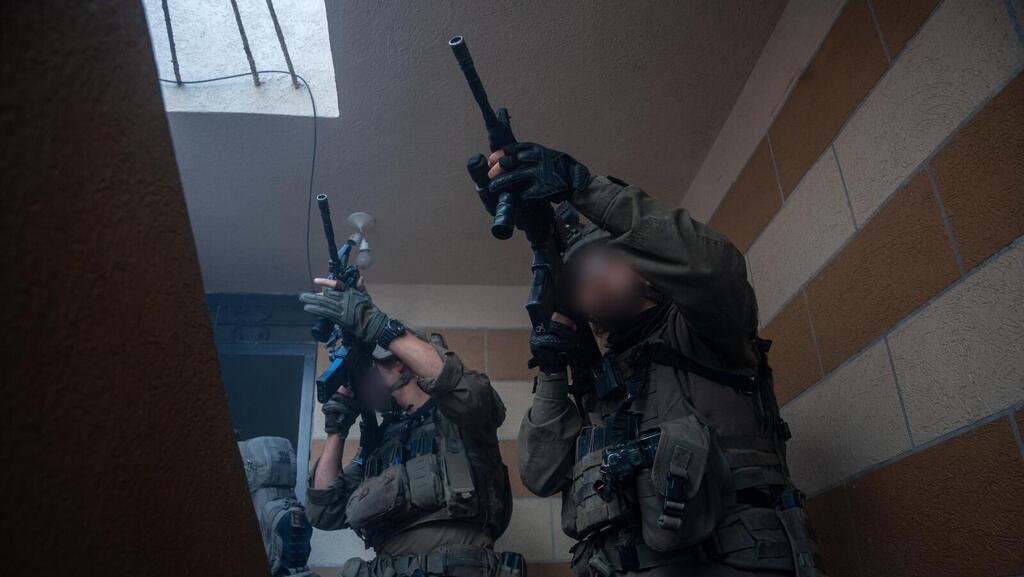
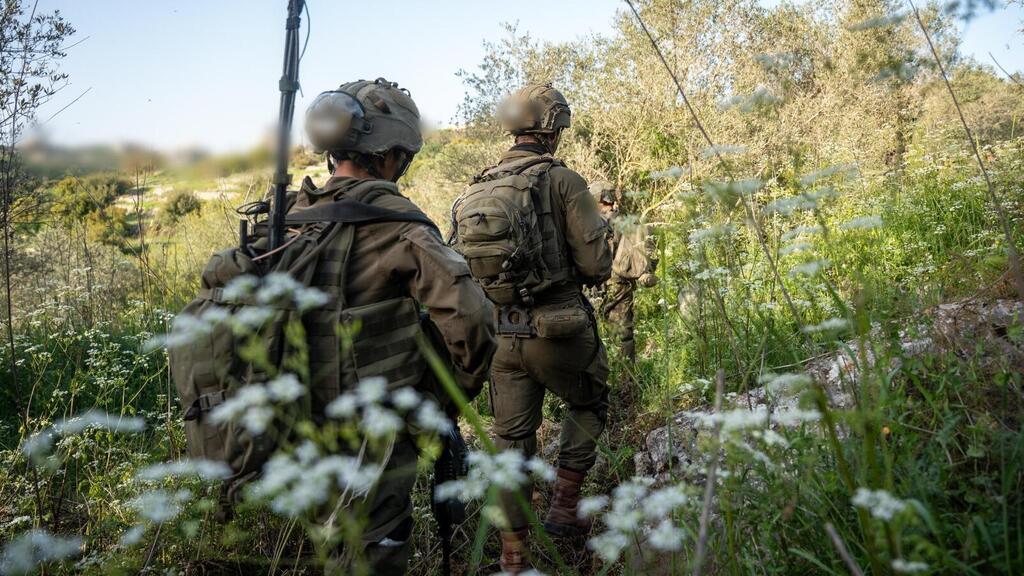
ynet joined troops from the 162nd Division inside former Hezbollah strongholds to closely examine efforts to conceal weapons in civilian homes.
Col. Eric Moyal, commander of the Nahal Brigade, leaves little room for ambiguity. Looking beyond what the IDF calls the “yellow line,” he describes a fundamentally different security reality.
“Right now, any threat I identify that endangers the forces, we open fire on it,” he said. “We’ve seen people moving in the area even without weapons, but the directive is clear: if there is a threat, it is removed. Even if we have to apologize later.”
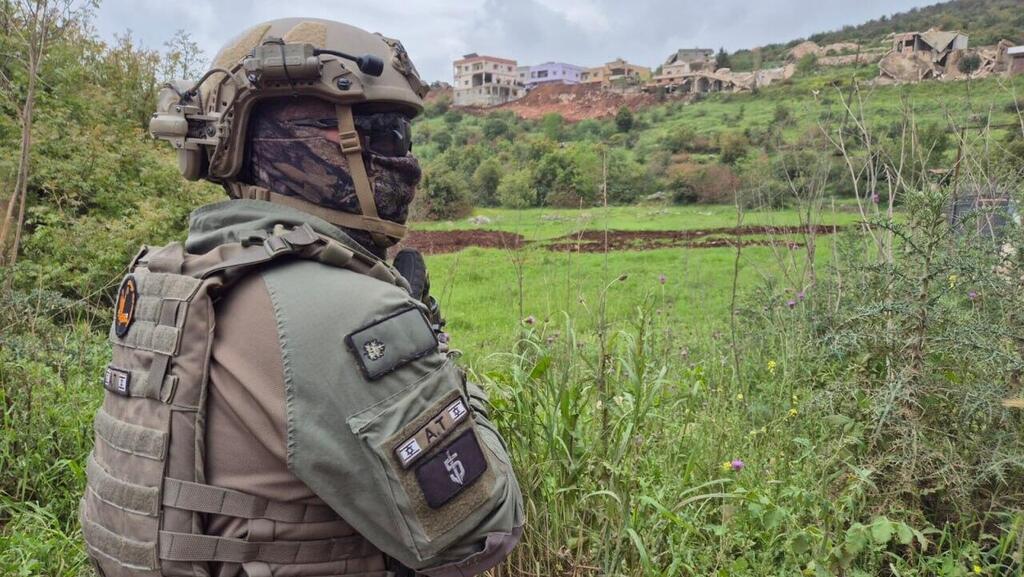
Moyal added that the rules of engagement are unambiguous. “The soldier knows he is going on a mission and can use firepower to eliminate any enemy he encounters. He is not dealing with dilemmas about lines or permissions. The instructions are very clear. Any threatening figure here is, from our perspective, a terrorist.”
The current maneuver differed from previous operations. The 162nd Division broke through a new, shorter route, enabling forces to operate up to 14 kilometers inside Lebanese territory. The mission is to clear what the IDF describes as “terror villages,” including Aita al-Shaab, Beit Lif and others, and prevent both direct and indirect fire toward northern Israeli communities.
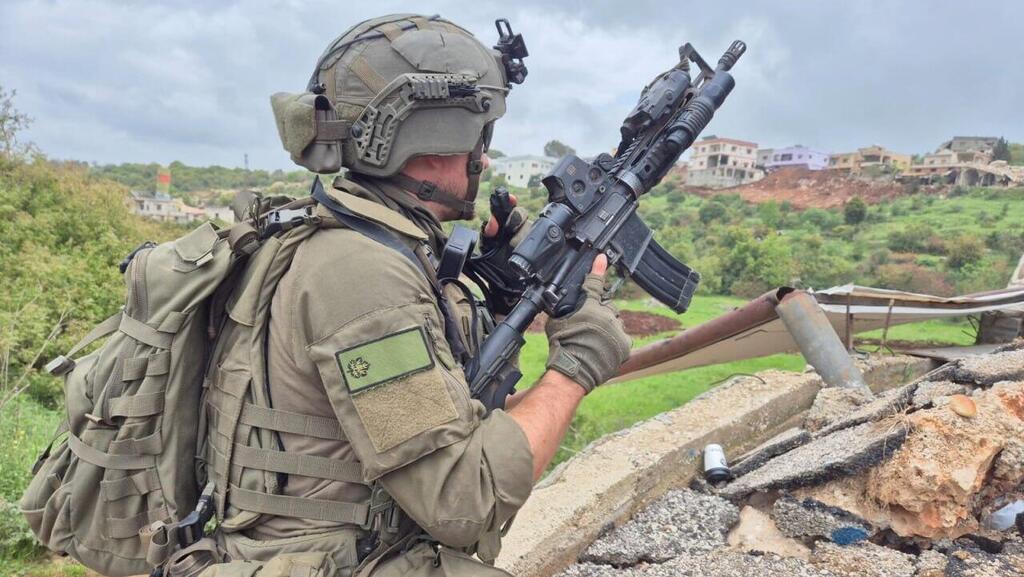
(Photo: IDF)
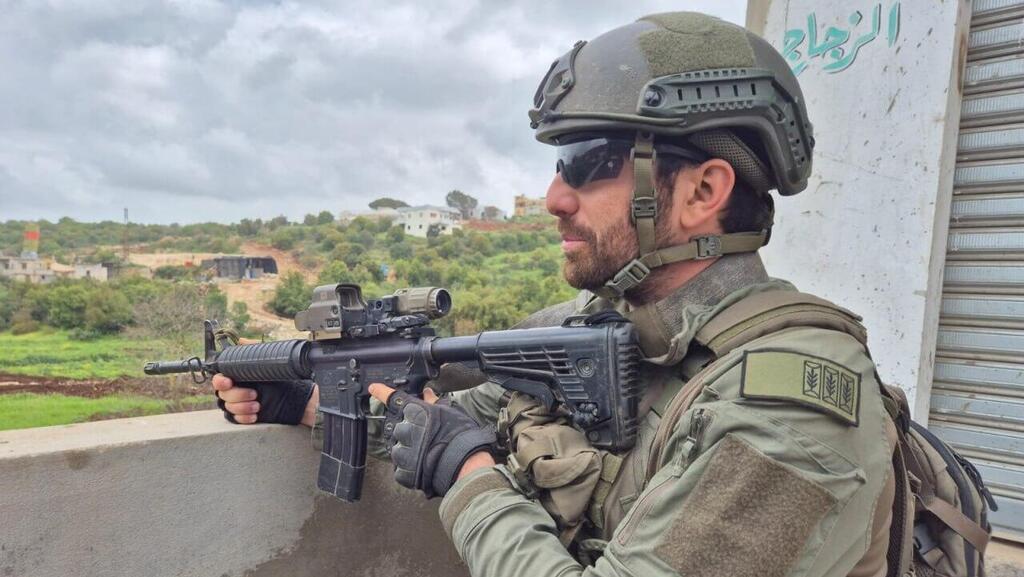
(Photo: IDF)
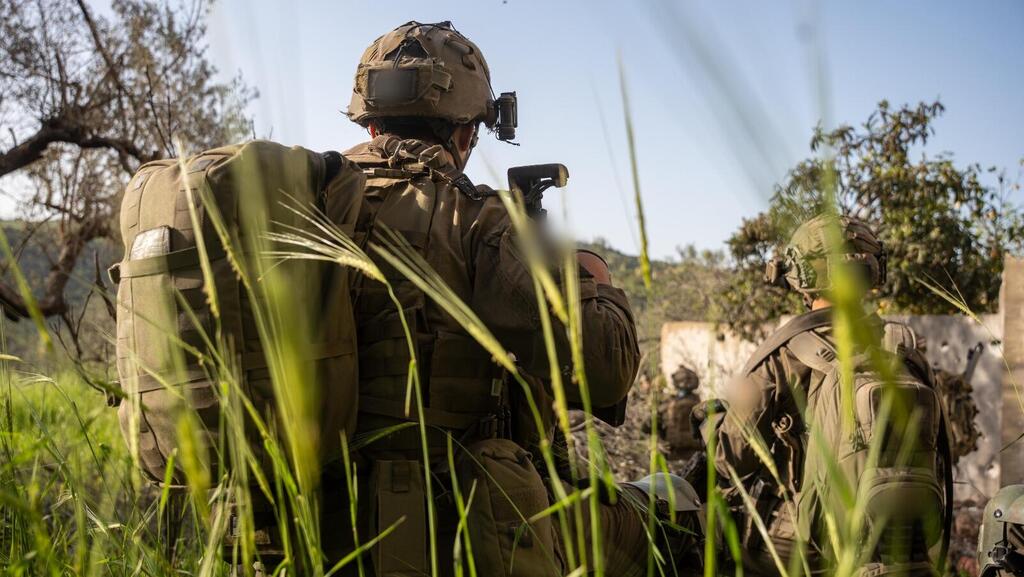
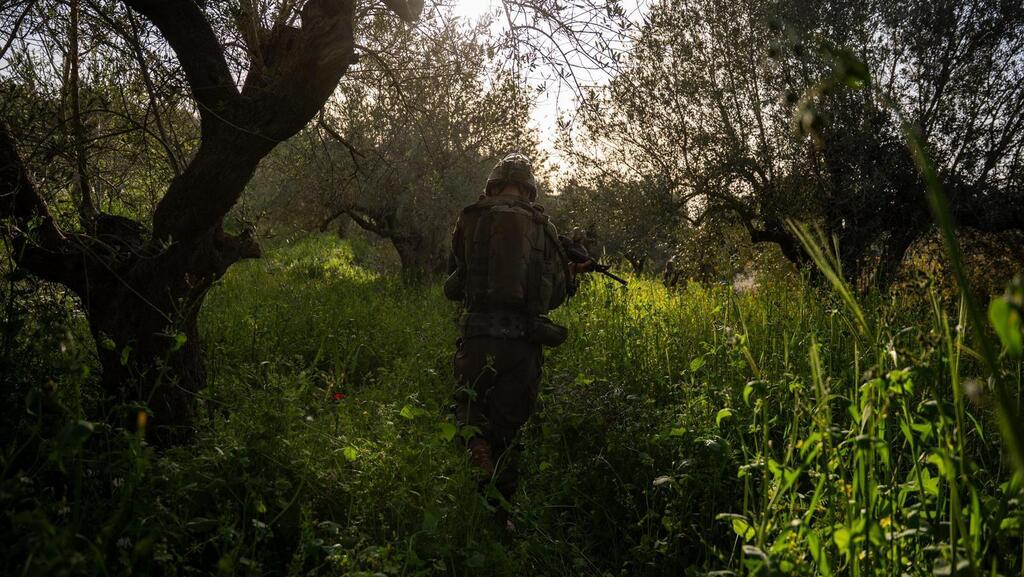
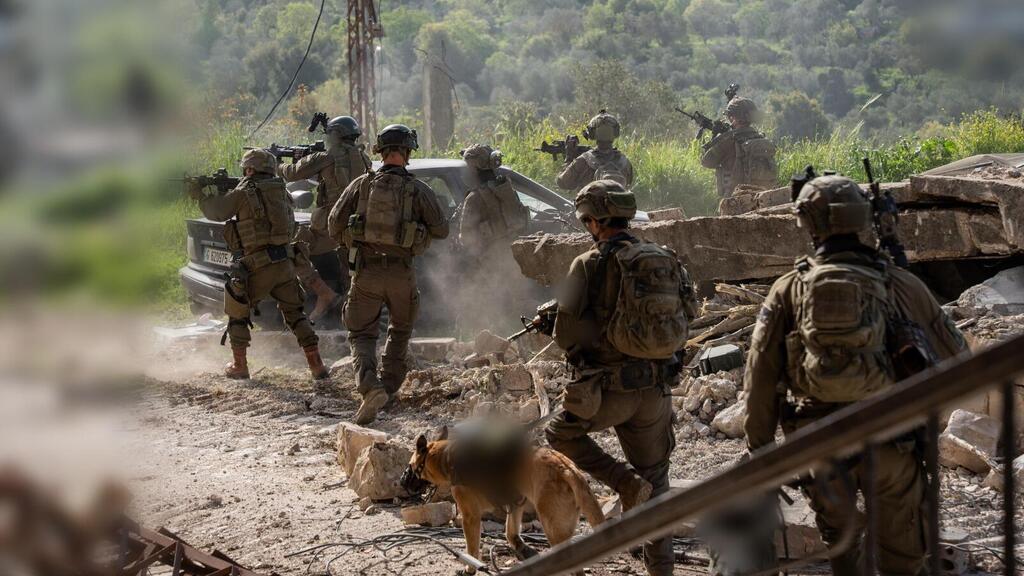
The initial fighting was intense. Hezbollah, according to officers on the ground, applied lessons learned from Gaza, including extensive underground infrastructure, the use of civilian homes as weapons depots, and heavy reliance on anti-tank missiles and explosive drones.
“In the early days, we were under heavy barrages of missiles and drones,” a brigade officer said. “They exploited dense and forested terrain, but our defense systems, like Trophy, did their job.”
The blow to Hezbollah, however, has been significant. According to IDF data, combat teams from the Nahal Brigade, the 401st Brigade and the 215th Artillery Brigade eliminated 251 terrorists, destroyed 404 enemy infrastructures, neutralized 644 sites, including tunnels, bunkers and launch positions, and seized more than 1,000 weapons.
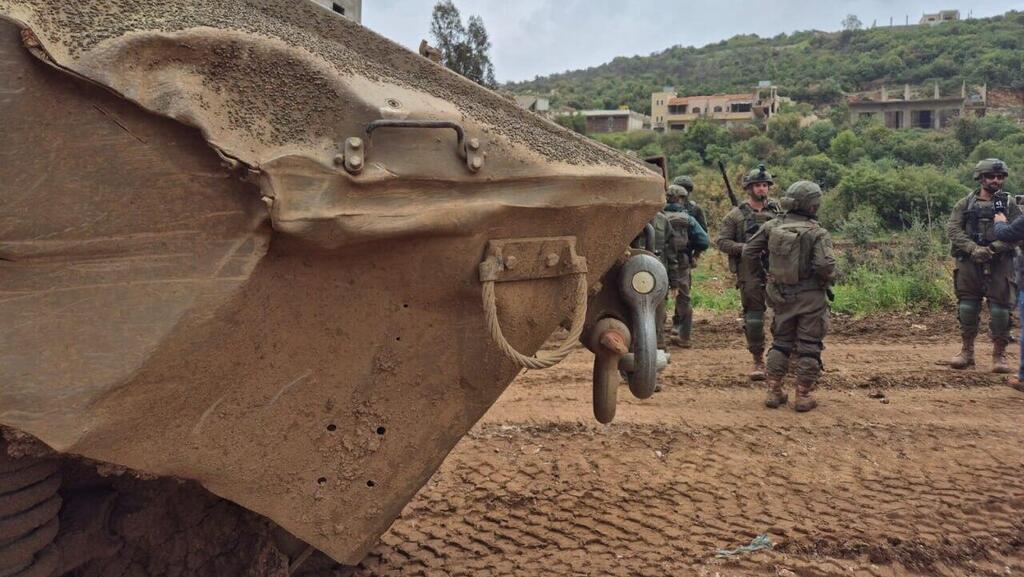
The 162nd Division
(Photo: Elisha Ben Kimon)
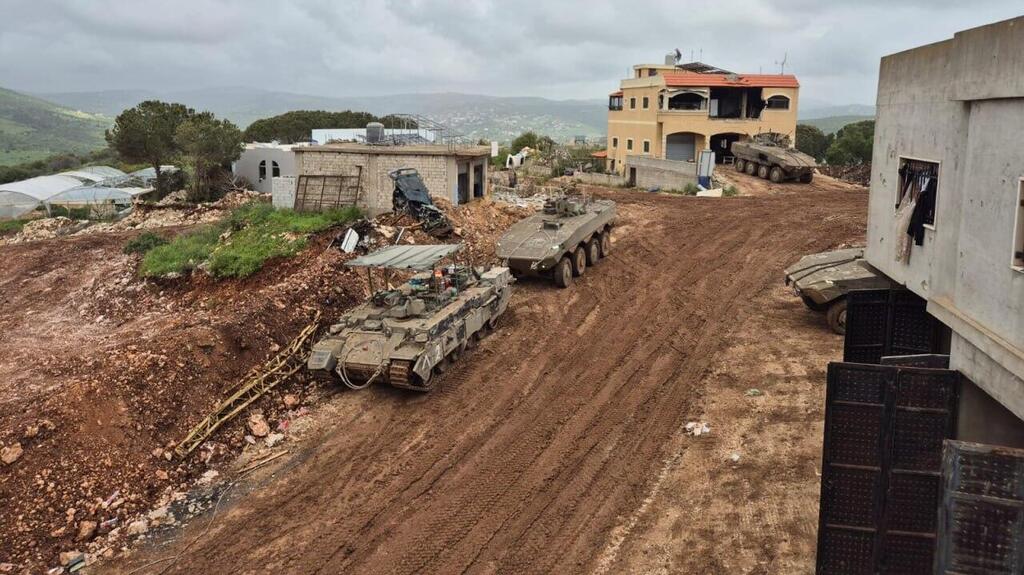
(Photo: Elisha Ben Kimon)
During one operation, troops recovered body cameras belonging to Hezbollah operatives, containing footage used for the group’s propaganda.
As a result, launches have dropped sharply. From hundreds at the start of the fighting, the use of explosive drones and anti-tank missiles has nearly ceased.
“The enemy understood we do not hesitate,” a security source said. “Once we targeted command levels and launchers, the picture changed.”
According to the IDF, Hezbollah operatives deployed to southern Lebanon at the start of the war were unfamiliar with the terrain and relied on local operatives. Once those local fighters were eliminated, a significant gap emerged in Hezbollah’s operational understanding of the area.
(Photo: IDF)
(Photo: IDF)
(Photo: IDF)
The IDF is now adjusting to the ceasefire, even as Hezbollah continues intelligence-gathering efforts and attempts to regroup for a potential next round.
For soldiers, the transition from active combat in difficult terrain to a ceasefire environment poses operational challenges.
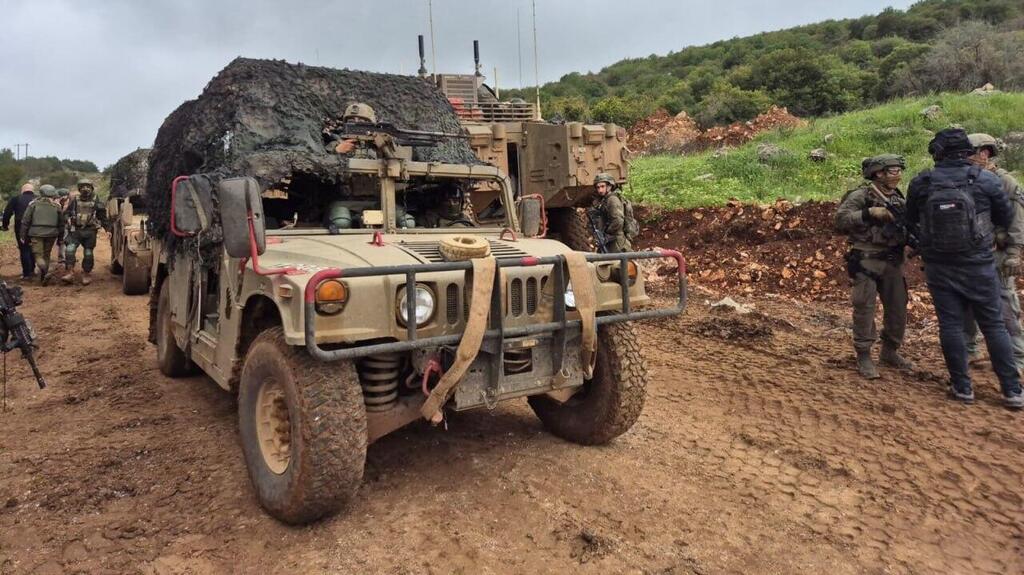
“We need to make sure the troops stay sharp,” Moyal said. “There is a ceasefire, but the threat is still here. The fact that we are moving around without helmets now creates a sense of victory, but there is still much work to be done.”
The most immediate threat now comes from old explosive devices, which have already caused casualties even after the ceasefire began.
“We move carefully, with engineering tools and patience,” Moyal said.
(Photo: IDF)
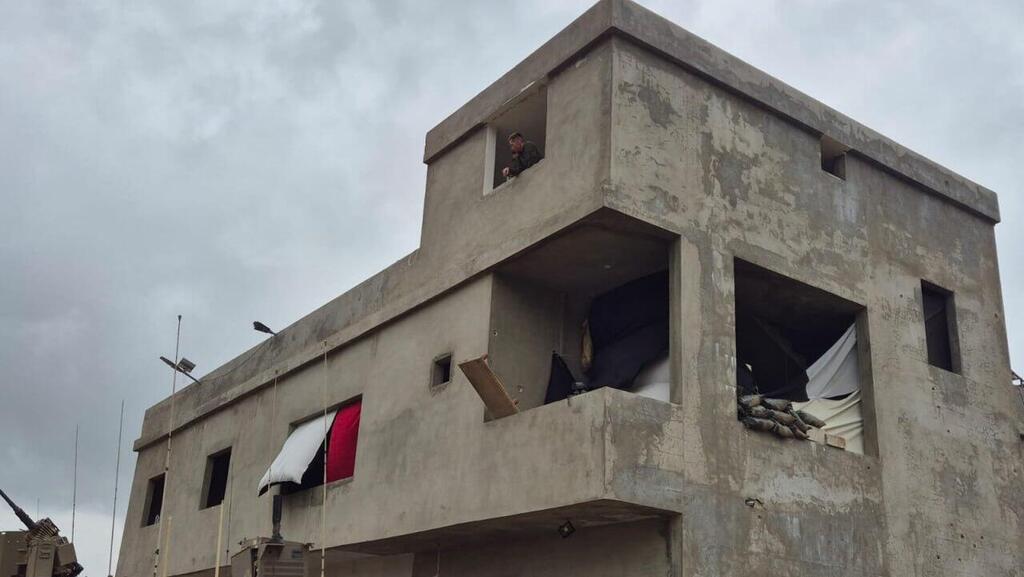
A house used by Hezbollah to conceal weapons
(Photo: Elisha Ben Kimon)
(Photo: Elisha Ben Kimon)
(Photo: IDF)
(Photo: IDF)
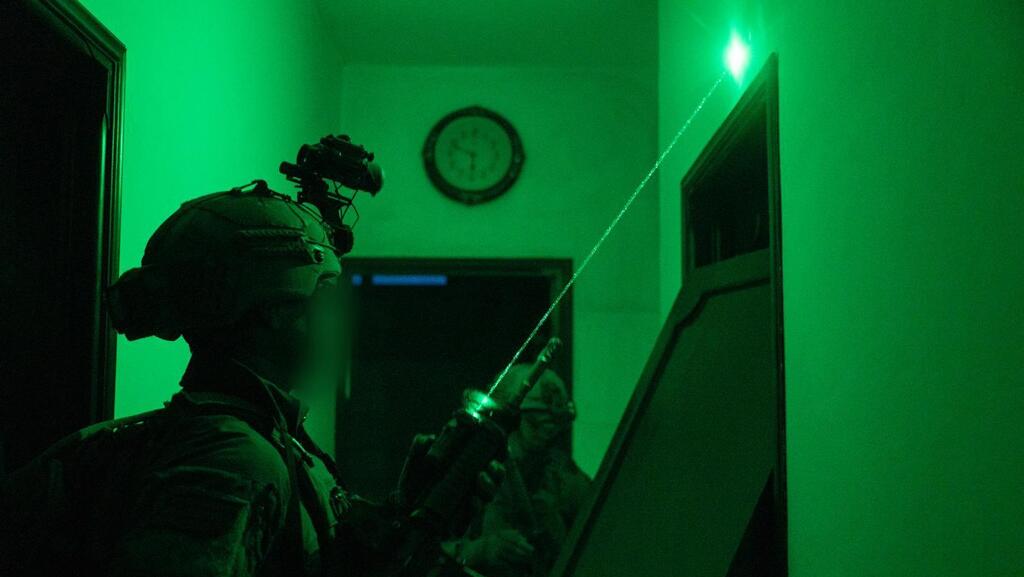
During the visit, troops entered a house that revealed a historical link. Moyal said that from that very location, senior Hezbollah figure Imad Mughniyeh directed the 2006 kidnapping of Israeli soldiers Eldad Regev and Ehud Goldwasser.
As UNIFIL forces patrol nearby, and terrorist infrastructure remains close to their bases without being targeted, questions remain about the future of the security zone.
From the IDF’s perspective, there will be no return to the previous situation. There is a broad consensus within the military that the return of Shiite residents to villages within the “yellow line” must be prevented, citing security concerns.
In areas currently under IDF control, a hostile presence will not be tolerated. The security zone spans dozens of kilometers, much of it with complex terrain, making control a significant challenge.
“We are not going anywhere anytime soon,” Moyal said. “When we are told to leave, we will leave, but the reality here must be one where there is no population supporting terrorism, and the military infrastructure in the villages is completely dismantled.”
During the war, Moyal lost his brother, Sgt. Maj. (res.) Shaul Moyal, a father of 10 from Karnei Shomron, who was killed in southern Lebanon on October 26, 2024.
On the eve of Memorial Day, he said: “I was taught that Memorial Day is not a private mourning day, but a national one, a day of collective heroism. The IDF is an army that moves forward, that allows a mother in Shlomi to send her children to kindergarten in peace. Memorial Day is about values, about commitment to the mission, and about comradeship.”