


Iran’s parliamentary National Security Committee is reviewing a preliminary “strategic plan for managing the Strait of Hormuz” that would bar Israeli and American vessels from the critical waterway, according to a report Thursday by Iran’s Tasnim news agency.
The reported proposal would also prohibit the passage of Israeli-linked military and civilian cargo, demand compensation from countries deemed responsible for harming Iran and impose heavy fines on vessels that violate the proposed restrictions.
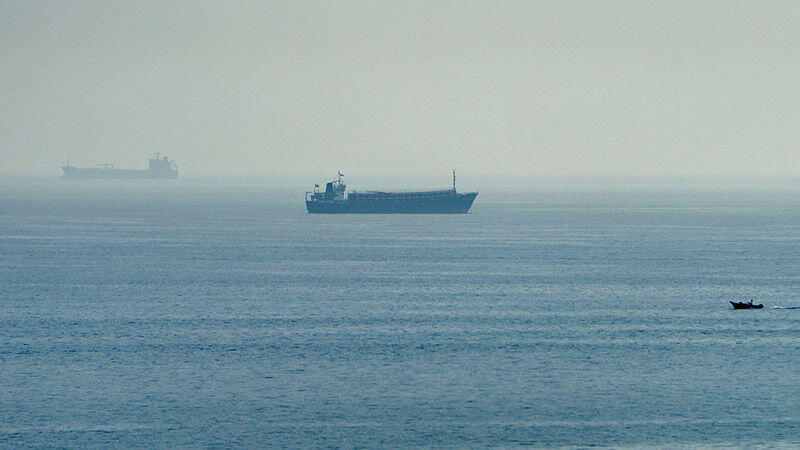
The plan has not been finalized, and it remains separate from the emerging negotiations between Iran and Oman over reopening and managing traffic through the strait.
Ali Salimi, a member of the Iranian parliament’s leadership, told Tasnim that the National Security Committee was examining the initial language of the plan.
According to the Iranian report, it contains six central provisions:
- Vessels belonging to the United States, Israel and other countries designated as hostile would be barred from passing through the strait
- Military or civilian cargo linked to Israel would be prohibited
- Ships or cargo involved in operations against the Iran-led “axis of resistance” would also be denied passage
- Countries and private entities deemed to have caused damage to Iran would not receive authorization to sail through the Strait of Hormuz or Persian Gulf until compensation was paid
- Violators could face fines reaching 20% of the value of their cargo
- Iran’s government would assume responsibilities including navigation guidance, oversight of maritime traffic and protection of security and the environment in cooperation with the country’s armed forces
It was unclear how Iran would seek to enforce the proposed restrictions, how “hostile states” would be defined or whether the measures could become part of any eventual agreement with Oman.
Iran and Oman discuss new shipping corridor
Meanwhile, Iran’s Fars news agency cited a source familiar with discussions at the Iranian Foreign Ministry as saying Tehran and Muscat were negotiating a phased arrangement for maritime traffic through the strait.
Under the reported framework, ships would temporarily enter through the northern corridor near Iran’s coast and exit through the southern corridor near Oman.
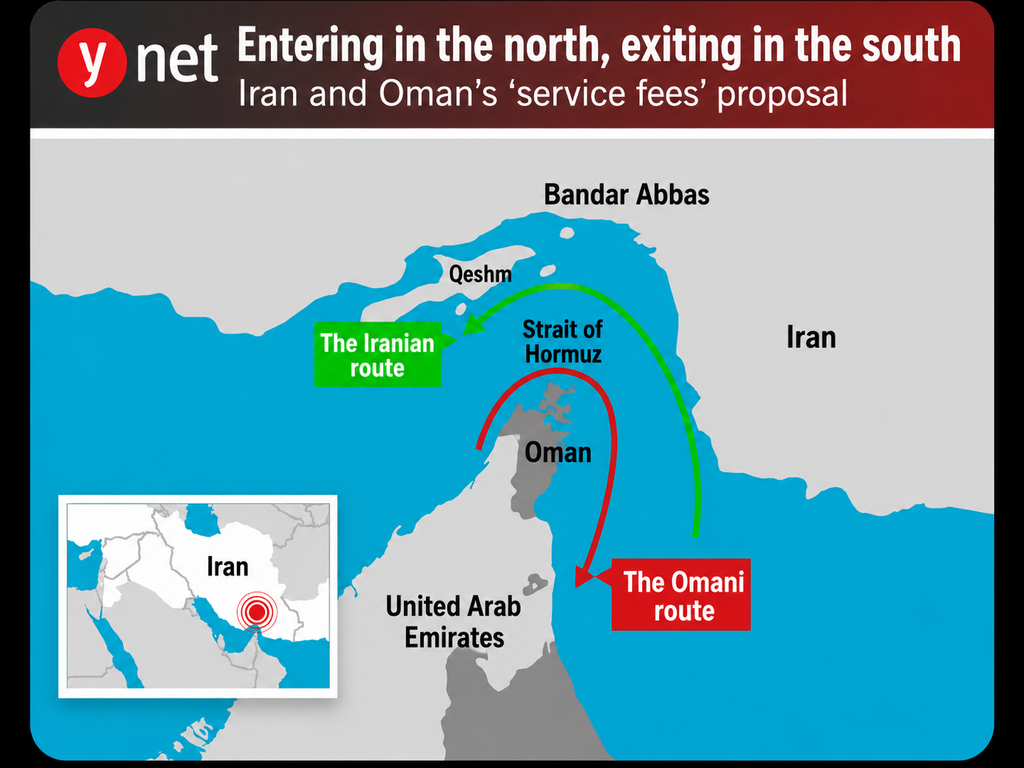
After a designated period, traffic through those two routes would cease and all vessels would instead use a central corridor.
Iran would manage vessels entering through that corridor, while Iran and Oman would jointly oversee outbound traffic, according to the source.
“The fees established for vessels passing through the strait will take the form of different service charges,” the source said.
The official rejected reports of a disagreement between Iran and Oman over payments, saying revenue would depend on the services each country could provide.
“Insurance, refueling and environmental fees are among the services for which vessels would need to pay,” the source said.
The claim conflicts with the U.S. position that passage through any temporary route must remain free and open, without tolls.
Draft agreement awaits approval
A Gulf official said Wednesday that a concession had already been made regarding some degree of Iranian control over the Strait of Hormuz.
Another official told Reuters that not all details had been completed, including precisely how control of the waterway would be defined.
The Associated Press reported that Iran and Oman had prepared a draft arrangement that could allow the strait to reopen, but said final approval was still required from Iranian Supreme Leader Mojtaba Khamenei.
Iranian state television separately reported that President Masoud Pezeshkian had described communication with Khamenei as “very difficult” at present.
The Strait of Hormuz is one of the world’s most strategically important maritime chokepoints and a crucial route for energy exports from the Persian Gulf.
Any arrangement granting Iran authority over entry, cargo eligibility or transit payments would therefore carry major consequences for international shipping, regional security and global energy markets.
For now, the restrictions reported by Tasnim remain an Iranian proposal under domestic review rather than an agreed framework governing the strait.