

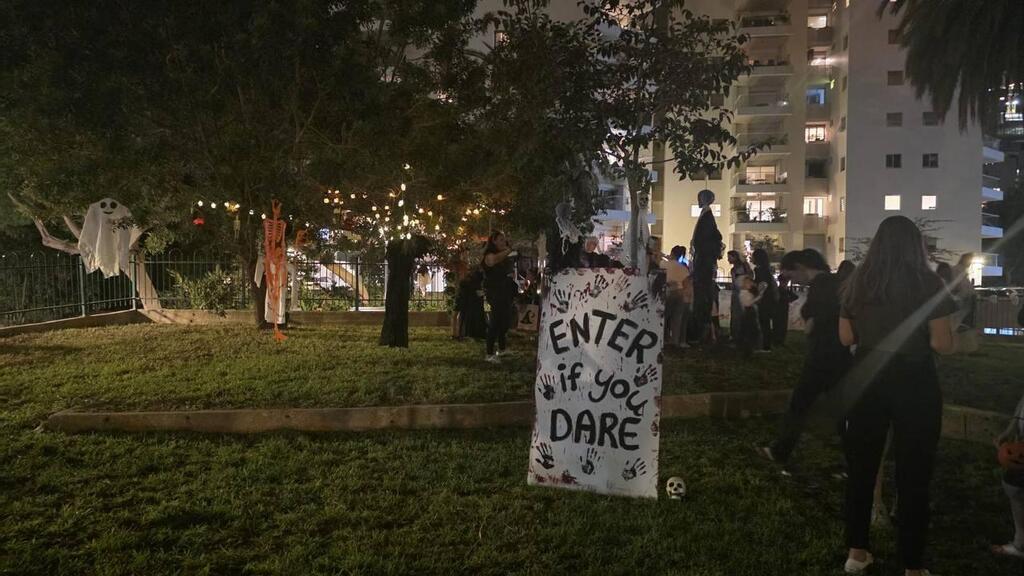
Anyone walking through central Tel Aviv on Saturday evening could be forgiven for thinking Purim, the Jewish holiday known for its costumes, had arrived several months early. Children dressed as witches, skeletons and ghosts, elaborately decorated apartment buildings and buckets overflowing with candy are all part of the city's Halloween celebrations on October 31.
The holiday, traditionally associated with the United States, is gaining popularity in Israel, and in some Tel Aviv neighborhoods, it has already become an annual community tradition.
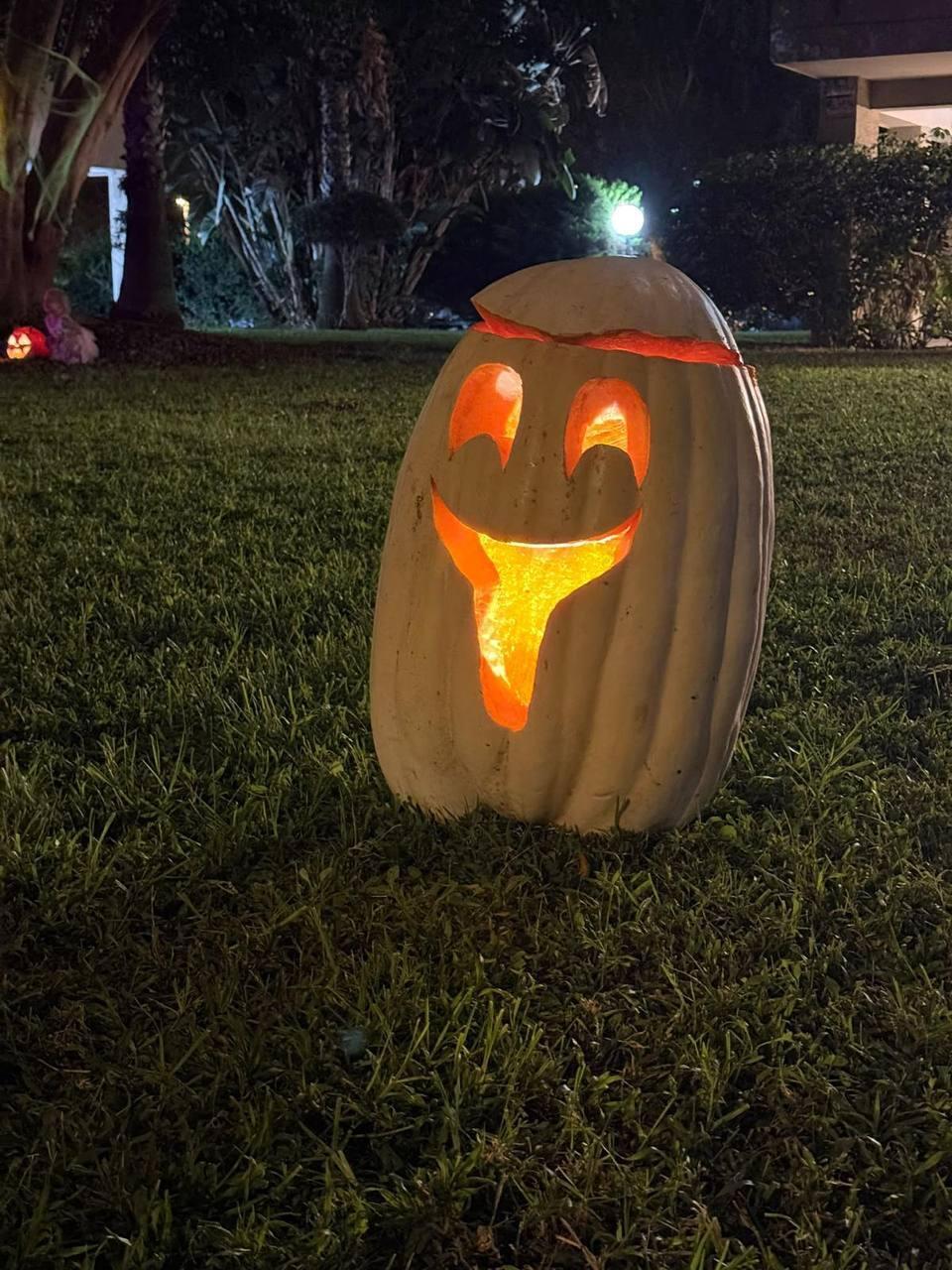
One of the largest celebrations is taking place Saturday evening around Dubnov Street and the streets surrounding Rabin Square. More than 1,200 residents have registered for the event, known as "All Neighbors' Night," while approximately 150 apartment buildings are expected to decorate their entrances and participate in the festivities.
Participants will receive specially designed bags for collecting candy, along with wristbands, before setting off along a neighborhood trick-or-treating route connecting participating buildings. The evening will also feature a competition for the best-decorated buildings, with prizes donated by local businesses.
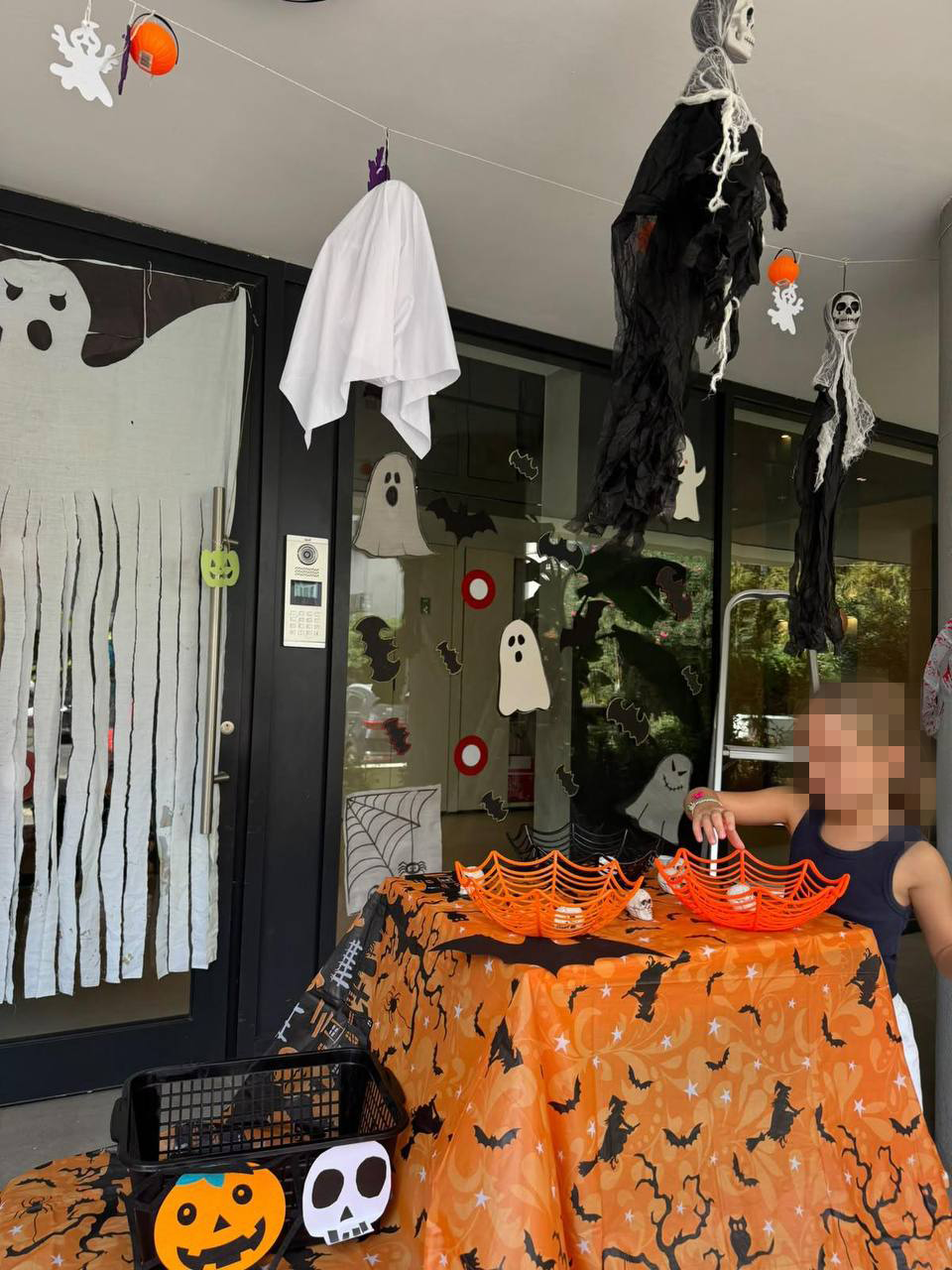
(Photo: Michal Naveh)
Behind the event are several neighborhood residents, including Michal Zamir, a mother of two who helps organize the festivities. She says the celebration is part of a thriving neighborhood community whose WhatsApp and Facebook groups have more than 10,000 members.
"We have a really close-knit community with lots of events, but the biggest one is All Neighbors' Night," Zamir said. "People register and receive a special bag for the children to collect candy. The wristband and bag give everyone a sense of belonging."
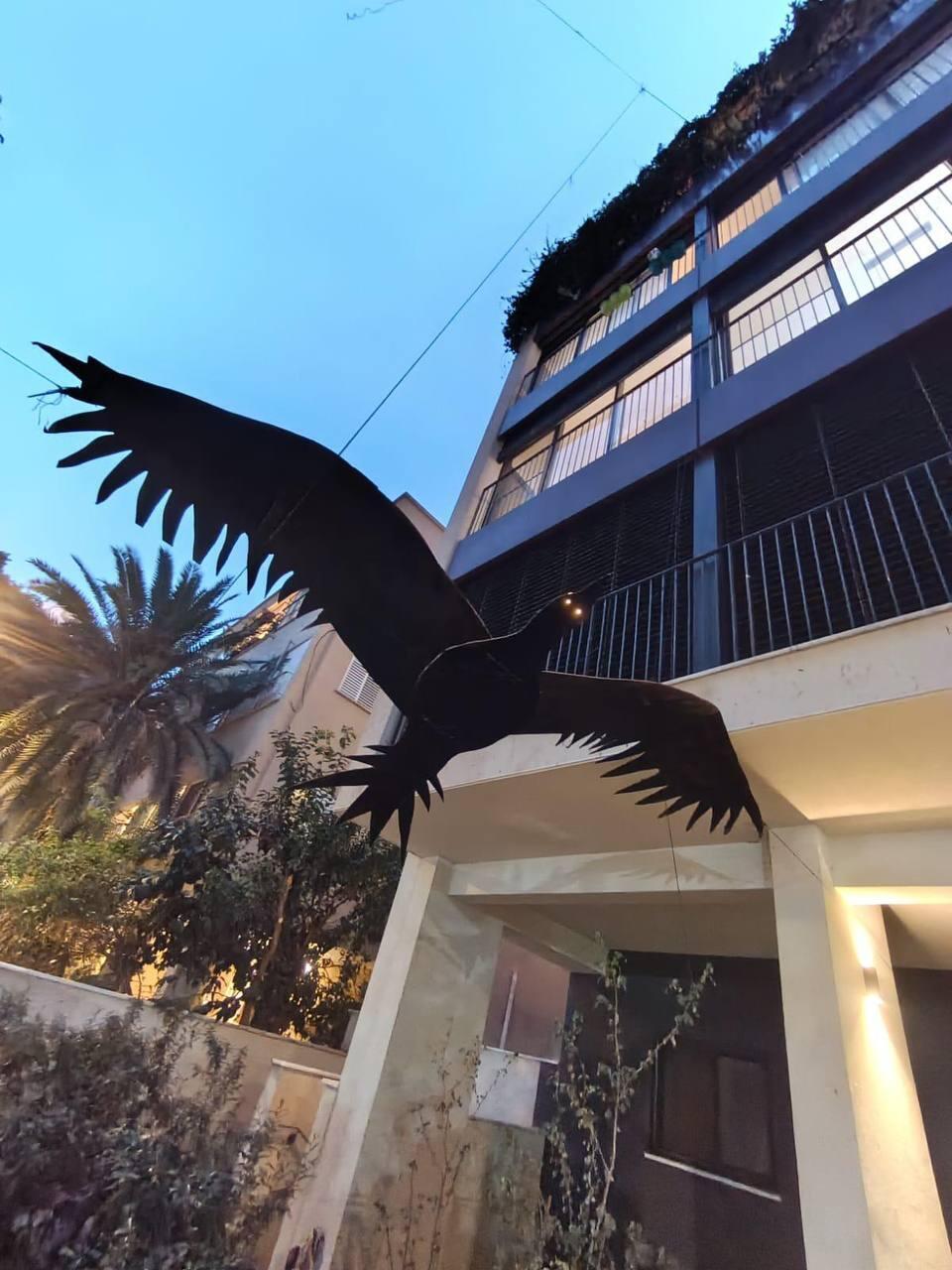
(Photo: Michal Naveh)
"The streets are full of people in costumes, and residents put an incredible amount of effort into decorating their homes. There's a competition between the buildings, and some people create absolutely spectacular displays."
From a small gathering to a neighborhood tradition
The Halloween tradition began eight years ago on a much smaller scale. Initially, neighbors celebrated inside their apartments, but during the COVID-19 pandemic, when indoor gatherings were restricted, the festivities moved into the streets.
What began as a practical adjustment eventually became a defining feature of the celebration, turning it into a neighborhood-wide event.
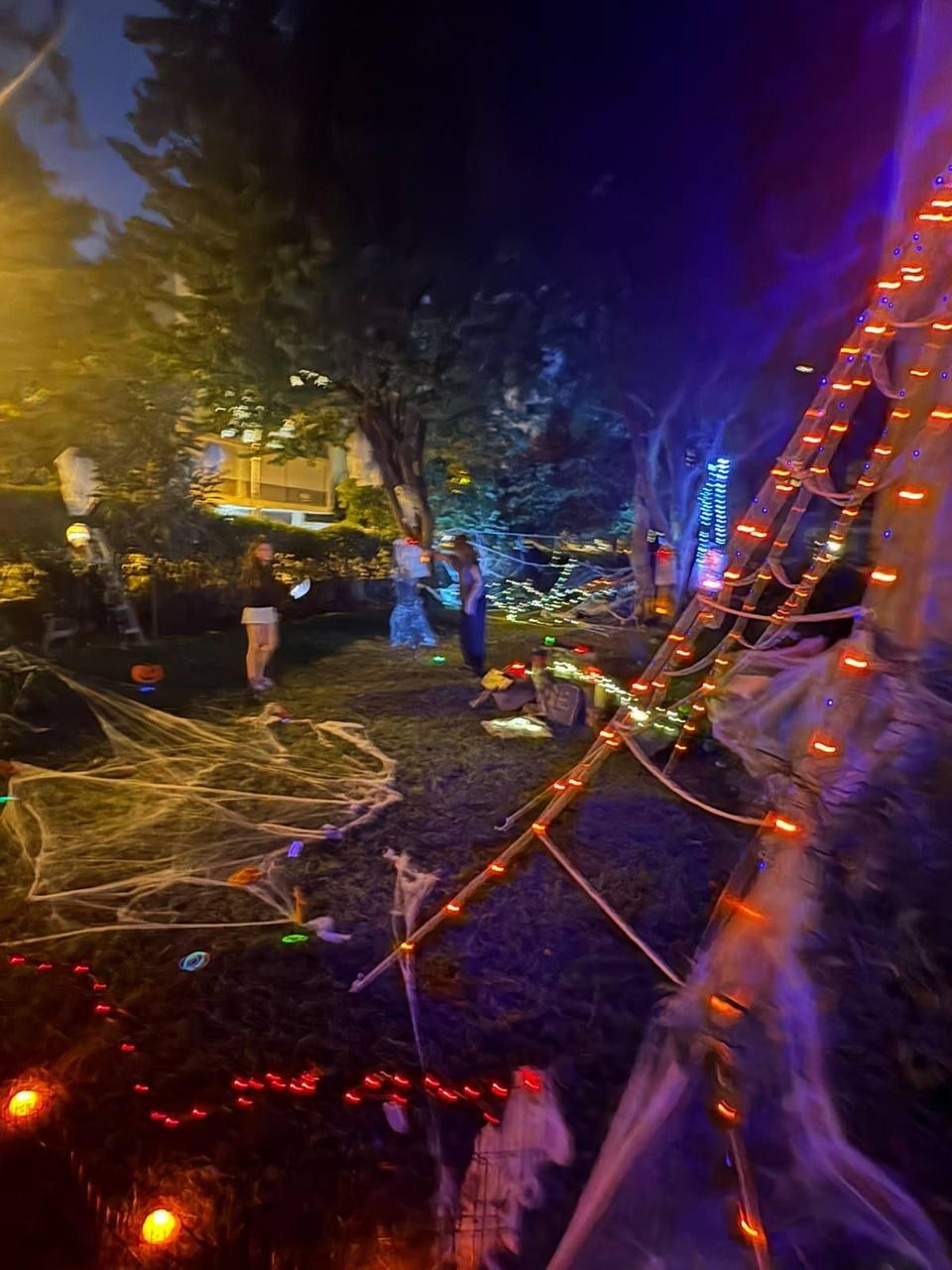
(Photo: Michal Naveh)
"It started out really small and became something the whole city got excited about," Zamir said. "There's hardly a neighborhood where it hasn't caught on. It's the perfect combination of candy, costumes, a little good-natured fright, community spirit and creativity. This evening has everything. There's really nothing else like it."
Halloween first made its way into Israeli popular culture through American films and television shows, as well as English-speaking communities living in the country. In recent years, social media has helped accelerate its popularity, with elaborate costumes, decorated homes and videos of Halloween celebrations attracting widespread attention.
Unlike Purim, which is rooted in Jewish religious tradition and also features costumes and festive celebrations, Halloween is neither an Israeli nor a Jewish holiday. For those taking part, however, its appeal is simple: another opportunity to dress up, spend time together and enjoy a neighborhood celebration.
(Photo: Michal Naveh)
Zamir stresses that Halloween is not replacing Purim.
"The children really look forward to it, and we also put a huge amount of effort into Purim. It's not instead of Purim," she said.
For families raising children amid Israel's ongoing security tensions, the celebrations have also taken on a deeper significance. Beyond the costumes and candy, the event offers an opportunity to create moments of normalcy and happiness.
"Our attitude is that as long as there are reasons to celebrate, we're going to celebrate," Zamir said. "There's enough hardship here and plenty of difficult things to deal with. Our children are constantly experiencing war as it is. We're staying optimistic and trying to make sure they have fun."