


The Organization for Economic Cooperation and Development released its 2025 Education at a Glance report on Tuesday, reviewing education indicators across its 38 member countries, including Israel. The report, which uses data from 2023 onward, found that a large majority of teachers in Israel leave the profession within their first five years and that classroom density is about 30 percent higher than in other developed OECD countries.
The report noted that Israel’s national expenditure on primary education as a percentage of GDP is among the highest in the OECD. It also highlighted that Israel has one of the most highly educated populations in the world, with 50.5 percent holding tertiary education degrees compared with 41.5 percent across OECD countries.
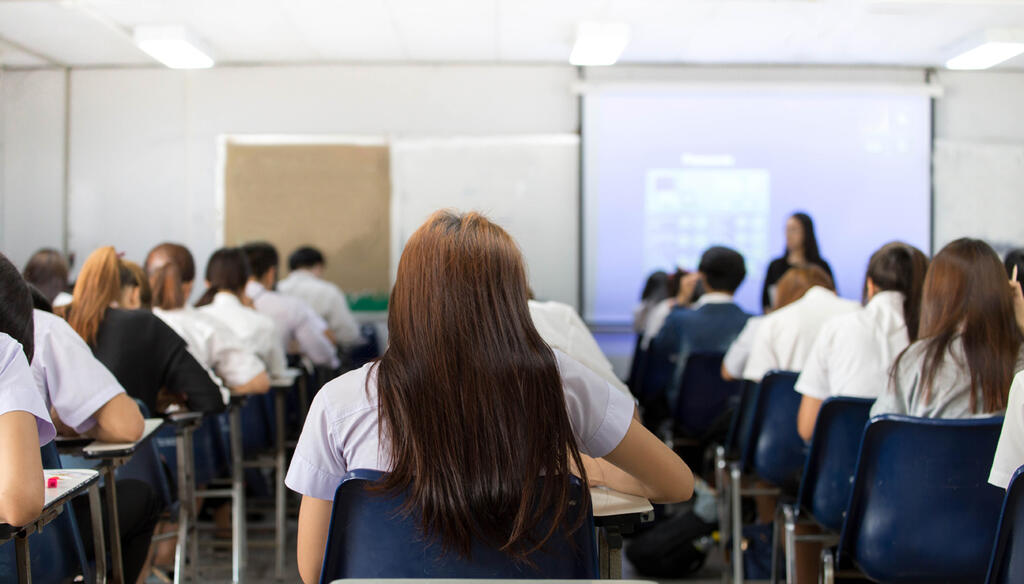
Most teachers who leave the profession do so within their first five years of teaching in elementary and secondary schools. The fatigue rate ranges from 66 percent among primary school teachers to 80 percent in pre-primary education.
The report found that teacher salaries in Israel rise with experience across primary, middle and high school levels. In most OECD countries, salaries increase consistently with the level of education. Kindergarten teachers in Israel between the ages of 25 and 44 earn more than teachers at other levels within the same age range.
Classroom density and teaching hours
Israel has some of the largest class sizes among OECD countries. In primary schools, the average class has 27.4 students compared with the OECD average of 20.6, a 33 percent difference. In middle schools, the average class has 30.1 students compared with 23 in OECD countries. Israel ranks second in primary school classroom density among OECD nations, after Chile.
The country ranks first in the number of school days for primary education, with 214 days compared with the OECD average of 186. Many schools in Israel operate six days a week, particularly at the primary level. Israel also has the highest number of teaching hours in primary education with 941 hours compared with the OECD average of 804, and 1,002 hours in middle school versus 902 hours in OECD countries. In upper secondary education, Israel ranks fourth in teaching hours after Italy, Colombia and Costa Rica.
Participation rates in education are above the OECD average. Among children under three, 58.2 percent attend educational programs compared with 29.1 percent in OECD countries. For ages three to five, 98.5 percent are enrolled compared with 84.9 percent, and for ages six to 14, 96.2 percent are enrolled compared with 98.4 percent internationally.
Primary school students in Israel receive 14.8 weeks of vacation, 8.8 weeks in summer and six weeks during the school year. In OECD countries, students spend 13.1 weeks on average away from school, 8.6 of which are in summer. While summer vacation lengths are similar, Israel has about 1.5 weeks more of short breaks during the school year.
Education levels and salaries
Israel’s population is among the most educated in the world. Tertiary education attainment is 50.5 percent compared with the OECD average of 41.7 percent, and the share of those with low education is 12.3 percent compared with 18.4 percent in OECD countries.
Salaries increase with education levels in Israel. Workers with lower secondary education earn 77.7 percent of the average high school graduate’s salary. Post-secondary educated workers earn 104.9 percent, bachelor’s degree holders 154.3 percent, and those with master’s or doctoral degrees 182.9 percent.
Female teachers in Israel earn more than male teachers in pre-primary and middle school education. Women earn about 8 percent more in pre-primary and 2 percent more in middle school, with salaries of 53,572 shekels versus 49,699 and 56,031 versus 55,191 respectively. In primary education, women earn 2 percent less than men. In academia, male salaries remain higher than female salaries.
National spending on education
Israel ranks among the highest in national education spending. It is first in primary education spending as a percentage of GDP, first in upper secondary and post-secondary spending, third among 25 countries in total spending across all education levels, after Norway and Iceland, and seventh in early childhood education and care spending.
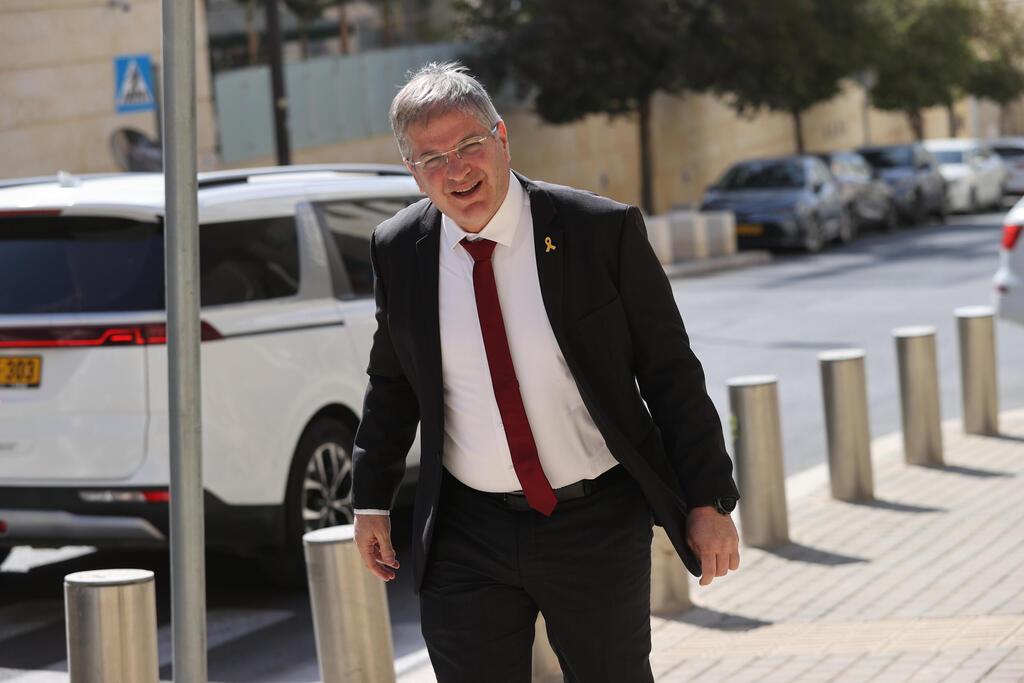
Education Minister Yoav Kisch
(Photo: Alex Kolomoisky)
In 2022, Israel spent 1.2 percent of GDP on early childhood education and care, 4.7 percent on primary, lower and upper secondary education, and 7.2 percent on all education levels including higher education. These figures are much higher than OECD averages.
The report noted that growth in student numbers is largely driven by high natural increase and positive immigration. Despite overall spending growth, per-student spending has not risen dramatically compared with countries with lower or negative population growth.
Education Minister Yoav Kisch said, “The OECD presents a complex but familiar picture. Israel is among the top countries in education investment and school days, yet still faces classroom overcrowding and teacher burnout. We are currently leading a joint committee with the Finance Ministry and Prime Minister’s Office to review staffing models and measures to reduce class sizes. The goal is clear. The significant investment in education should not be diluted through bureaucracy but reach every student and teacher fully and directly.”