

Israel and Greece signed a €3 billion ($3.48 billion) defense agreement on Monday under which Israel will build a multilayered air-defense system for Greece, Israel’s Defense Ministry said.
The ministry said a separate supplementary agreement worth €26 million will see Israel supply Greece with Drone Dome systems designed to detect and counter unmanned aerial threats.
Gallery
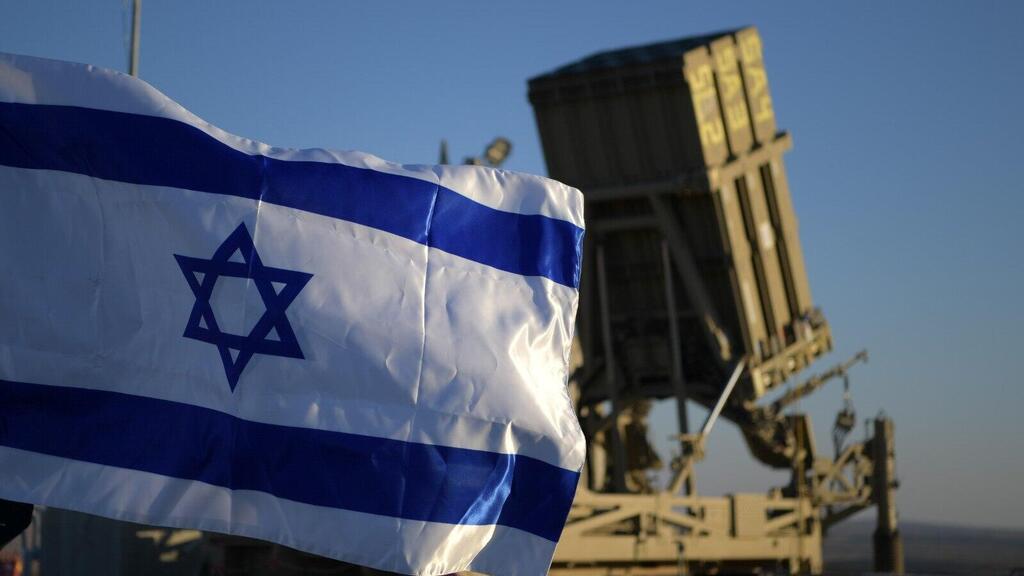
David’s Sling, an air-defense system designed to intercept medium- to long-range threats
(Photo: Rafael Advanced Defense Systems)
The signing moves forward one of the largest defense projects ever undertaken between the two countries and formally launches the implementation phase of Greece’s planned “Achilles’ Shield” air and missile defense network.
The project is expected to take about 35 months to complete.
The agreement was signed between procurement officials from the Greek Defense Ministry and SIBAT, the International Defense Cooperation Directorate at Israel’s Defense Ministry.
Greece aims to build a multilayered network capable of confronting a wide spectrum of threats, ranging from small drones and unmanned aircraft to cruise and ballistic missiles.
Under the plan, Athens is expected to integrate systems it already operates with advanced Israeli platforms including Spyder, Barak MX and David’s Sling, alongside Patriot batteries and other capabilities.
The central concept is to create a single network in which radars, sensors, command-and-control systems and interceptors can communicate with one another, allowing operators to select the most appropriate response for each incoming threat.
An advanced command-and-control system incorporating artificial intelligence capabilities is expected to sit at the heart of the network.
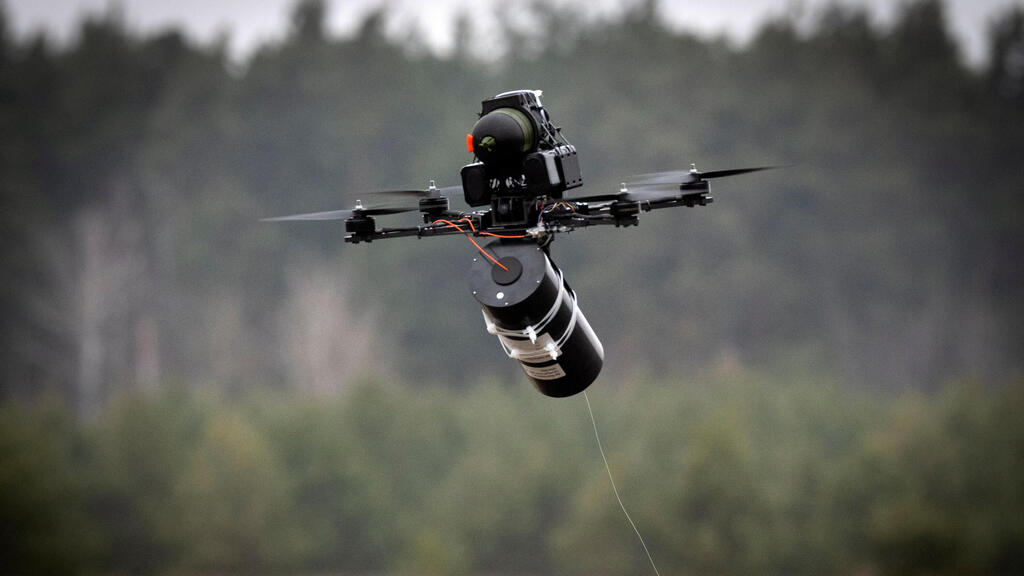
The biggest challenge for air defense systems
(Photo: AP Photo/Efrem Lukatsky)
The system will collect information from multiple radars and sensors, identify threats and help determine which defensive layer should respond.
That has become increasingly important as military planners grapple with skies crowded by relatively inexpensive drones and other unmanned aircraft. Using a costly interceptor against every low-cost drone is neither economically nor operationally efficient.
The network is therefore intended to match each threat with the most suitable defensive response, reserving more expensive and sophisticated interceptors for targets that require them.
The agreement also contains a significant industrial component for Greece.
Around 12 Greek companies are expected to participate in the project, with their involvement valued at more than €700 million. Greek industry is expected to account for roughly 25% of the overall project.
For Athens, the goal is to ensure that the investment goes beyond the simple purchase of foreign weapons systems and also contributes to technology transfer, local expertise and the development of Greece’s domestic defense industry.
One of the key issues during negotiations was Greek access to the source code behind software operating the network.
Such access could give Greece greater independence in maintaining, modifying and upgrading the system in the future, an increasingly important issue in major advanced-weapons deals.
Monday’s signing marks another step in rapidly deepening defense ties between Israel and Greece.
For Greece, the project is designed to provide a modern, integrated defense architecture against a rapidly changing threat environment dominated increasingly by missiles and drones.
For Israel, the agreement represents another major export deal for its defense industry and further strengthens strategic cooperation with one of its closest partners in the eastern Mediterranean.