

Qatar has sharply rejected allegations that it transferred money to Hamas, accusing The New Yorker of relying on fabricated material in a report examining alleged Qatari influence involving advisers to Prime Minister Benjamin Netanyahu.
“To be clear, Qatar’s assistance has been directed to Palestinian civilians in Gaza through mechanisms coordinated with the Israeli authorities and international partners,” Qatar’s International Media Office said. “Under previous aid mechanisms, all financial assistance, as well as goods such as food, medicine and fuel, passed through Israel before entering Gaza.”
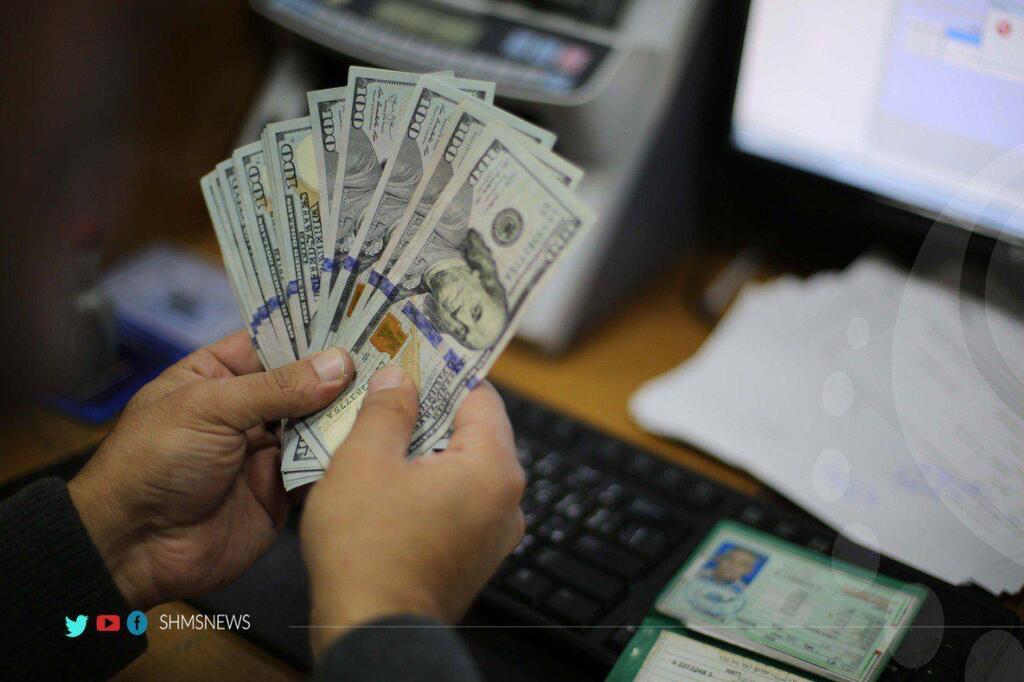
The Qatari government said nothing was delivered without Israeli involvement and that the aid arrangements operated for years under successive Israeli governments and with the involvement of Israeli security agencies.
“If any funding reached Hamas, it had nothing to do with Qatar,” the statement said. Qatar argued that responsibility for any diversion would instead lie with Israel, which oversaw the aid arrangements under governments led by Netanyahu as well as former prime ministers Naftali Bennett and Yair Lapid, with the involvement of agencies including the Mossad intelligence service and Shin Bet domestic security agency.
Qatar, a wealthy Gulf Arab state and longtime U.S. partner that hosts a major American military base, has played a complicated role in the Israeli-Palestinian conflict. It hosted senior Hamas political officials while also serving as a key mediator between Israel and Hamas. Before the Hamas-led Oct. 7, 2023, attack on Israel, Qatar provided hundreds of millions of dollars in assistance to Gaza under arrangements approved by Israel, which viewed the payments as a means of supporting Gaza’s economy and maintaining stability.
The latest dispute follows publication of a Sept. 19 New Yorker investigation into the scandal known in Israel as “Qatargate,” involving allegations that people close to Netanyahu performed work intended to improve Qatar’s image while working in or around the Prime Minister’s Office. The article also examined documents purporting to show Qatari payments involving Hamas.
Qatar said the allegations were part of a broader influence campaign targeting the Gulf state.
“In this instance, The New Yorker has chosen to give credibility to material that forms part of a wider disinformation campaign against Qatar,” the International Media Office said. It said Qatar had evidence that various parties, including elements of Israel’s far right, had for years created and circulated fabricated documents in an effort to implicate Doha.
Qatar described the information underlying the allegations as false and fabricated and said The New Yorker had been shown evidence before publication that disputed documents were not authentic. It said other news organizations had previously declined to publish the material after being presented with evidence challenging its authenticity.
“The piece reads more like an amateur blog than a report from a reputable publication like The New Yorker,” the Qatari statement said. “We reject these allegations in the strongest possible terms.”
Qatar said it was reviewing possible legal action over the allegations and accused those behind what it described as a disinformation campaign of seeking to undermine its role as a regional mediator.
Israeli intelligence warned Netanyahu about Qatari funds, investigation says
The dispute comes days after a separate investigation published by ynet and its parent newspaper Yedioth Ahronoth, reported that Israeli intelligence agencies had warned Netanyahu beginning in 2019 that some money entering Gaza through the Qatari-backed arrangements was being diverted to Hamas’ military buildup.
The investigation reported that Military Intelligence and the Shin Bet provided Netanyahu with information indicating that some of the funds were reaching Hamas’ military wing, the Izzedine al-Qassam Brigades. Later intelligence assessments concluded that money originating through those channels accounted for 40% to 50% of the military wing’s budget, according to the report.
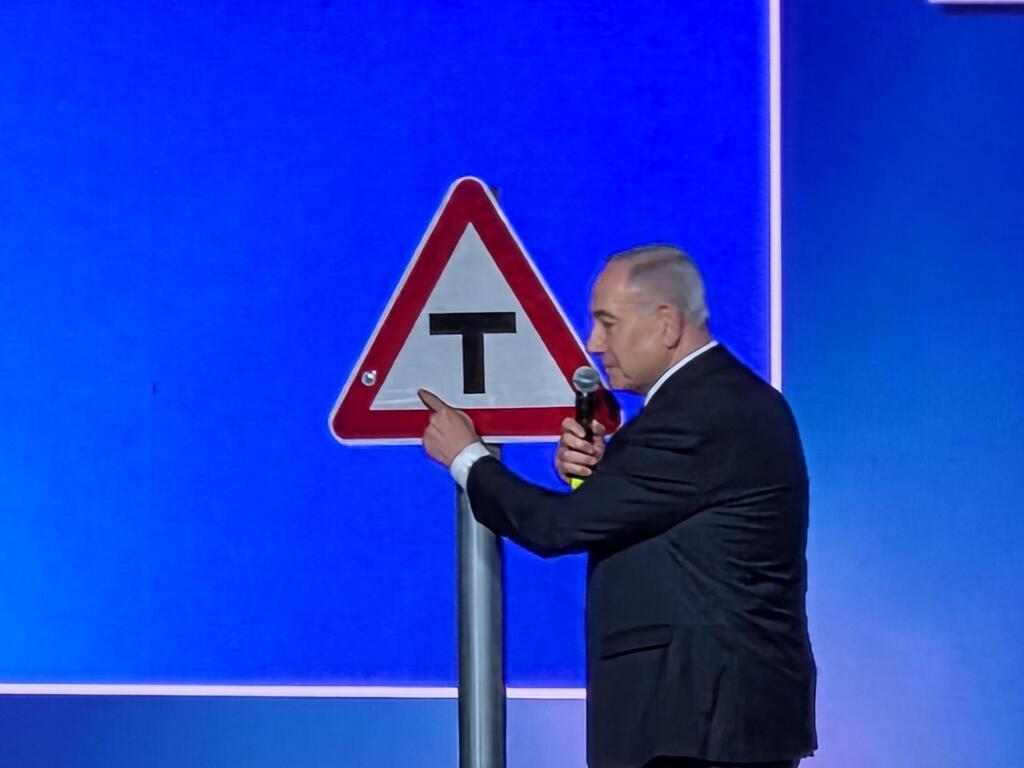
Prime Minister Benjamin Netanyahu
(Photo: Yariv Katz)
The investigation also reported that Israeli intelligence subsequently discovered an additional, covert channel through which money was reaching Hamas’ military wing and that Egypt separately warned Israel about the issue. It said Netanyahu nevertheless continued the policy of allowing Qatari money into Gaza.
The reporting adds to longstanding scrutiny of Israel’s pre-Oct. 7 policy toward Gaza. Netanyahu’s governments permitted and encouraged Qatari assistance to enter the territory as part of a broader policy aimed at maintaining economic stability and deterring renewed fighting with Hamas, which seized control of Gaza in 2007.
A senior intelligence official who worked on investigating the alleged diversion of the Qatari funds told Yedioth Ahronoth and ynet that military intelligence had obtained evidence of transfers to Hamas’ military wing and passed it to Netanyahu.
“We had evidence of official transfers,” the official said, referring to money reaching the Izzedine al-Qassam Brigades. “We saw it, documented it and passed it to the prime minister. He did nothing; he continued the policy.”
Netanyahu’s office rejected the investigation, calling it a collection of recycled allegations that had previously been disproved and accusing his political opponents of raising them ahead of elections.
The Prime Minister’s Office said the security establishment had supported the Qatari assistance and determined that it was intended for civilian and humanitarian purposes and would help maintain calm in Gaza.
Netanyahu’s office also said that when fighting erupted between Israel and Hamas in May 2021, during the conflict Israel called Operation Guardian of the Walls, Netanyahu ordered the Qatari cash-payment mechanism halted immediately. It said the subsequent government led by Bennett and Lapid restored Qatari assistance.
The precise nature of the arrangements changed over time. Earlier Qatari aid included cash brought into Gaza, while subsequent mechanisms shifted toward fuel purchases and assistance to needy families administered through international organizations.