

The dramatic weather swings of recent weeks—from unseasonal heatwaves to flooding—are a stark reminder that the climate crisis is no longer a future threat, but a present reality.
Around the world, shifting climate patterns are reshaping lives, and few places illustrate the severity more clearly than Iran, where worsening drought, widespread power and water outages and hazardous air pollution are capturing international attention.
Gallery
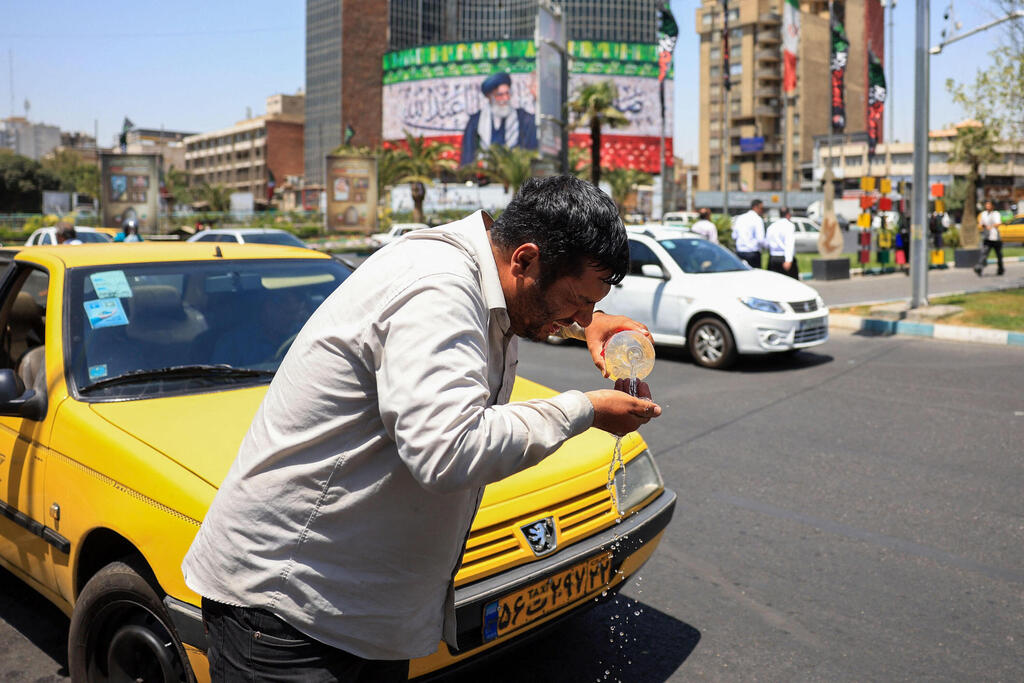
A man cools off with water on a hot day in Tehran, Iran, amid an ongoing heatwave affecting much of the country
(Photo: AFP)
Iran’s deepening ecological crisis stems from a combination of natural climate shifts and years of poor infrastructure and resource mismanagement. The country is warming at nearly twice the global average, with a 2°C rise in mean temperatures since the 1950s.
This has dramatically altered rainfall patterns: over the past 20 years, precipitation has dropped by about 20%. In the past two years, the decrease reached 40%, and since the start of the 2025 rainy season in late September, rainfall is down by a staggering 90%.
Meanwhile, soaring temperatures are accelerating evaporation from natural and man-made reservoirs, as well as from soil and vegetation. Compounding these changes are years of reckless and even criminally negligent water management by Iranian authorities.
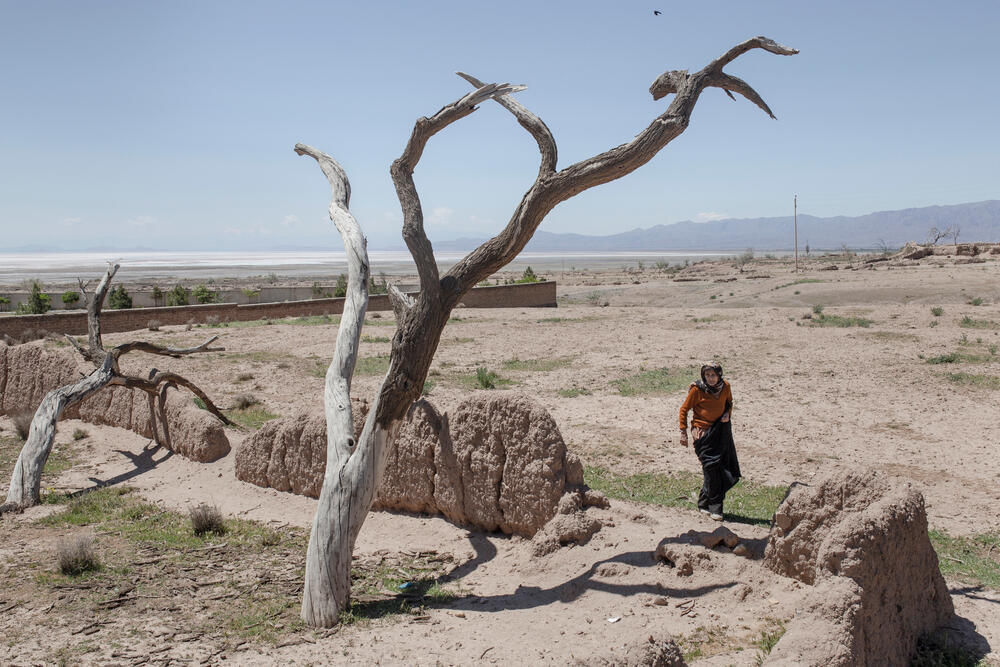
A woman walks past dead almond trees in a drought-stricken area of Iran, where prolonged water shortages have devastated agriculture
(Photo: Solmaz Daryani/Shutterstock)
Iran’s population has grown by roughly 30% in the last two decades, alongside rapid urbanization and industrial expansion, all increasing demand for water. The agricultural sector, heavily subsidized by the government, has encouraged inefficient water use. As a result, aquifers have been over-pumped, surface water reservoirs have dried up, water quality has deteriorated and ecosystems have collapsed.
The depletion of Iran’s major water reserves has now reached critical levels, with key reservoirs serving homes, factories and farms running dry. Water cuts are now routine, disrupting daily life, reducing agricultural output and prompting food imports and price hikes. For Iran’s already fragile economy, the impact has been devastating.
The water crisis has also triggered an energy crisis. Hydroelectric power output has plummeted due to depleted dams, and cooling systems at fossil-fuel power plants have been affected. Electricity blackouts have become frequent and prolonged, hampering everyday life and disrupting industries, including oil production and refining. The strain on public health has grown, with rising illness and mortality linked to the crisis.
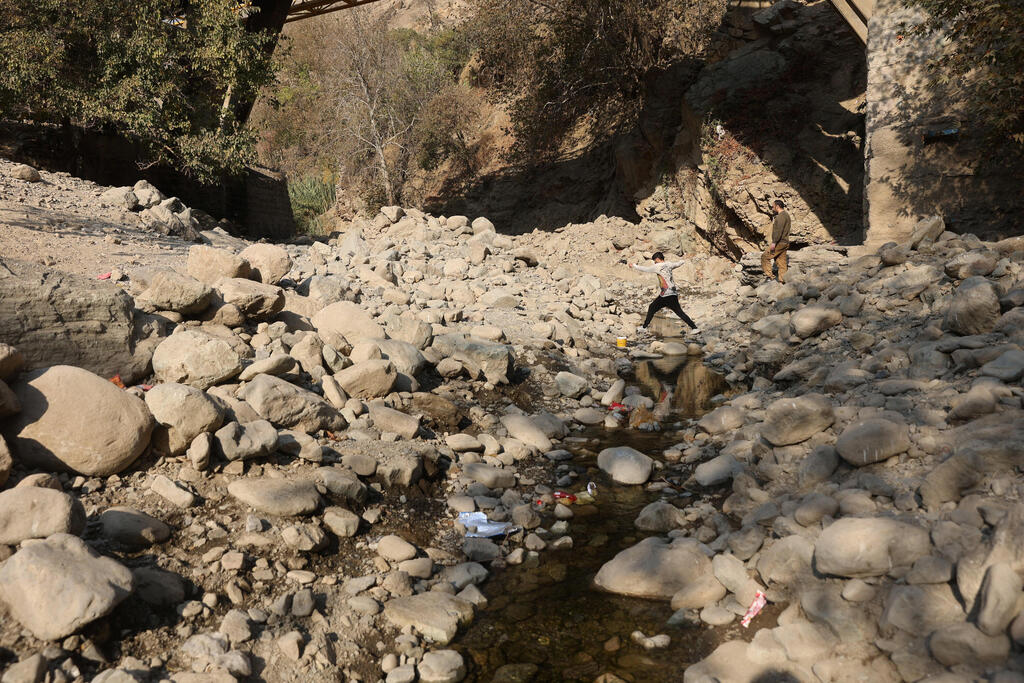
A man jumps across a nearly dry riverbed in the Kan River in Tehran, Iran, as the country faces a severe water crisis
(Photo: Majid Asgaripour/WANA (West Asia News Agency) via REUTERS)
Groundwater depletion has caused saltwater intrusion from deeper layers, further salinizing land and damaging plant and animal life. The disappearance of aquifers has altered soil structures, leading to significant land subsidence—measured at up to 25 centimeters annually in western Tehran.
These changes have intensified air pollution. Dry, brittle soil in parched regions now turns to dust and salt, easily carried by windstorms. In recent weeks, these particles have triggered extreme air pollution across Iran. In Tehran—already plagued by smog from heavy traffic and petrochemical industries—air quality indices have reached some of the highest, most hazardous levels in the world.
 Prof. Adi Wolfson Photo: David Grinshpan
The mullah government has blamed climate change and international sanctions for the catastrophic state of the country’s water and energy systems. Regime officials have even warned that unless divine intervention comes soon, mass evacuations—including from the capital of Tehran—may become necessary.
Yet forecasts suggest that Iran’s ecological emergency will worsen, threatening its economy, food security and very way of life. The growing risk of climate-driven displacement raises the question: could this crisis eventually spark a popular uprising? Time will tell.
- Prof. Adi Wolfson is head of the Master's Program in Green Engineering at Sami Shamoon College of Engineering.