


The Israel Defense Forces said it achieved air superiority over Iran within 24 hours as Operation Roaring Lion entered its second day, allowing expanded strikes on regime targets in the heart of Tehran.
According to the IDF, about 1,350 munitions were dropped during the first phase of the operation, while 62 ready-to-launch missile systems aimed at Israel were destroyed across Iran.
IDF strikes targets in Tehran
(Video: IDF)


On Sunday afternoon, the military said dozens of Israeli Air Force fighter jets completed another wave of strikes over Tehran, targeting what it described as the general staff headquarters of Iran’s internal security forces. The site served as a command and control center linking senior commanders with forces on the ground and was responsible for suppressing protests, the IDF said.
The military also reported the destruction of the Tharallah headquarters, which it described as responsible for defending Tehran against military threats.
A senior security official said Israel was “raising the bar,” a shift made possible by the rapid achievement of air superiority. The new reality in Iranian airspace, defense officials said, allows for sustained waves of strikes, with aircraft operating in coordinated sectors against designated targets.
Strikes on ballistic missile launchers, drones destroyed in Iran
(Video: IDF)
Some aircraft are assigned to target surface-to-surface missile systems and launchers in an effort to reduce Iran’s ability to strike Israel. Israeli and US officials are expected to broaden the range of targets in the coming days in an effort to further destabilize the Iranian regime and create conditions for internal change, defense sources said.
The IDF said military intelligence identified a sharp acceleration in Iran’s efforts to rebuild and expand its ballistic missile production capabilities following a previous operation in June.
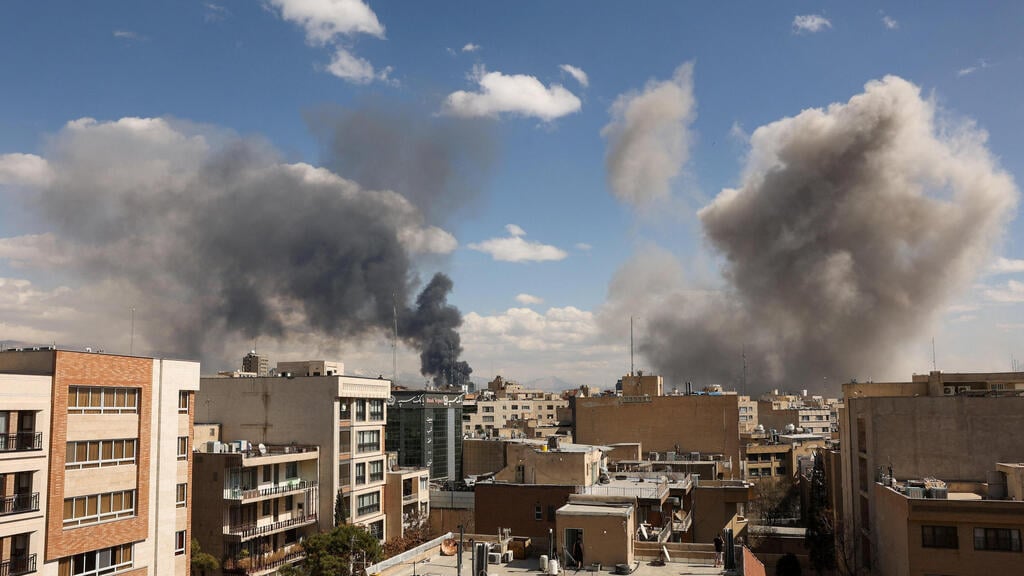
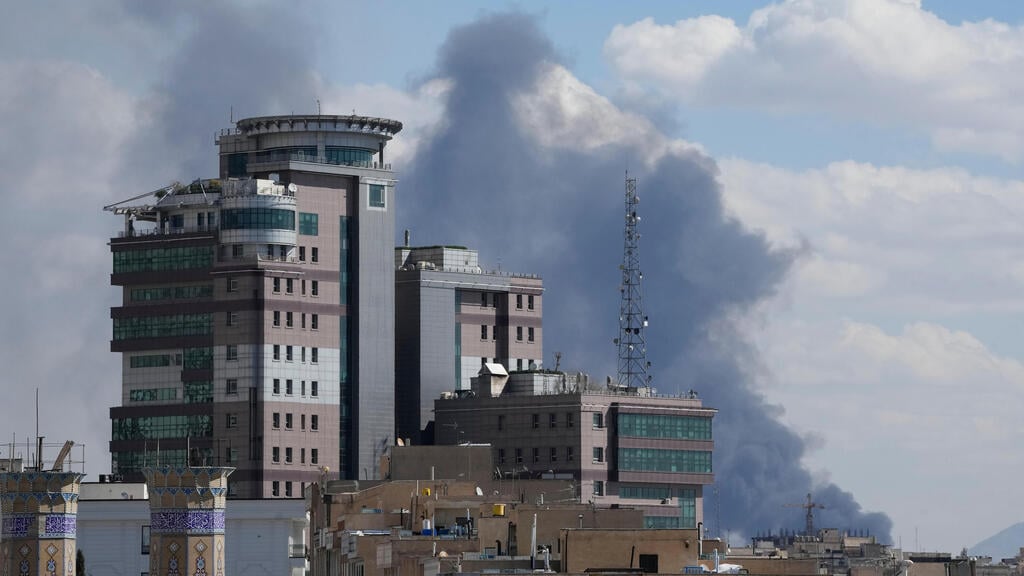
(Photo: Vahid Salemi/ AP)
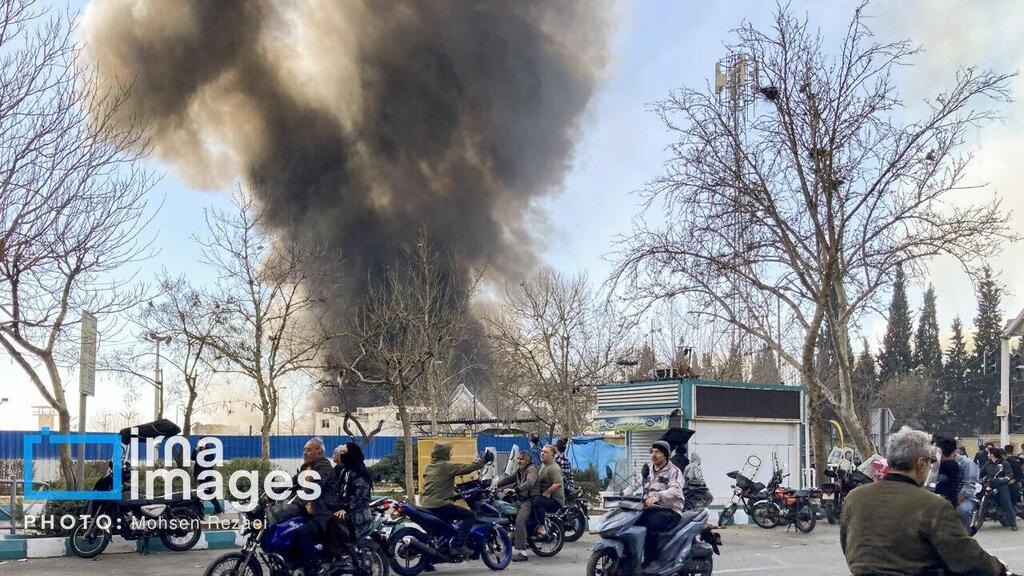
Strikes in Tehran during Operation Roaring Lion
According to military assessments, Iran had sought to increase its missile stockpile to about 8,000 by 2027, up from earlier estimates of roughly 5,000. Before the June campaign, Israeli assessments put Iran’s arsenal at about 3,000 missiles.
During the 12-day war in June, the IDF said it prevented the production of at least 1,500 additional ballistic missiles and destroyed about 200 launchers, with dozens more rendered inoperable, amounting to roughly half of Iran’s launcher fleet at the time.
The military also said it destroyed a central production site for explosives used in ballistic missile warheads and other weapons systems, including rockets, drones and cruise missiles. Four key mixing facilities used in missile engine production were also struck, along with additional weapons manufacturing sites, including factories producing advanced anti-tank systems intended for Hezbollah and other terrorist organizations.