

Israel Railways said Tuesday it will shut down Tel Aviv’s busy HaShalom station and suspend service across the city for a week beginning Wednesday, citing infrastructure damage and ongoing electrification failures.
The move means there will be no train service between north and south Tel Aviv. Trains from Be'er Sheva will terminate at Lod, except for one Ashkelon line. Trains from Jerusalem and Modi’in will stop at Ben Gurion Airport, while northern routes will run only as far as Tel Aviv Savidor Central. Full service is expected to resume Aug. 26.
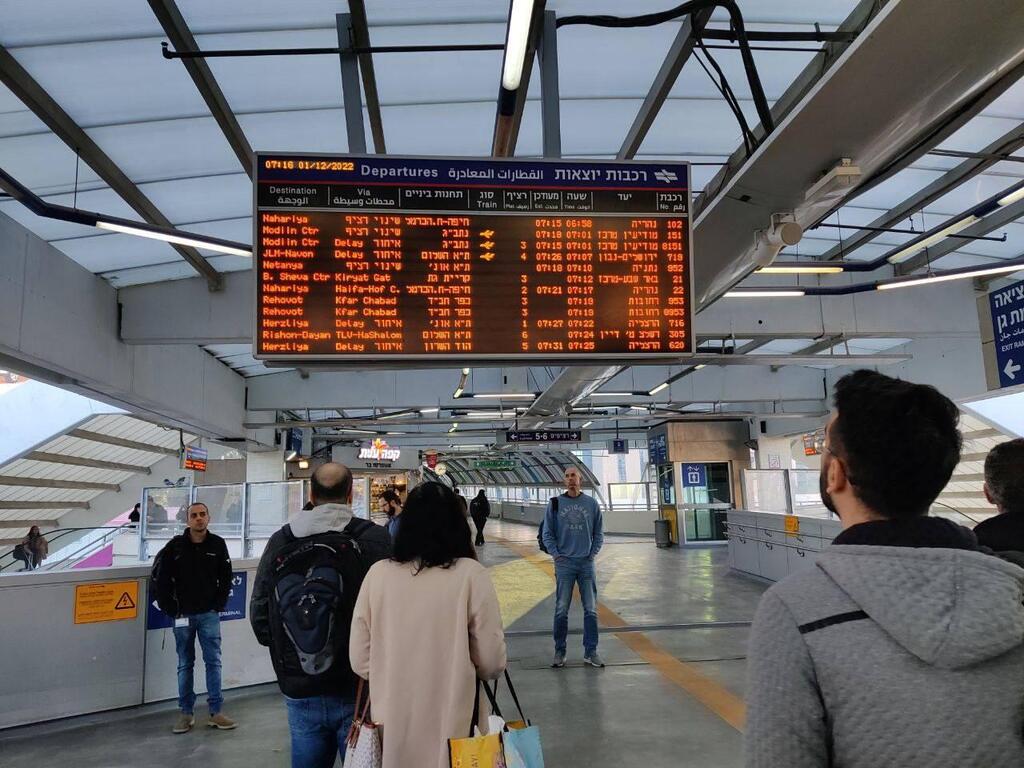
In its announcement, Israel Railways said it was taking advantage of the current disruption to carry out safety work originally scheduled for September, in order to avoid a “double impact” on passengers.
The closure has added to mounting frustration for commuters. “I arrived and there was no train — my eyes went dark,” said Ben Leon, a wedding photographer who relies on trains for work. “The app showed everything as normal. Nobody updated me. I came to a train that wasn’t there.”
The infrastructure failure has spilled over into Israel’s wider transport system. “We’re seeing very heavy loads on roads and buses,” said Ynet transportation correspondent Sivan Hilaie. “Passengers on disrupted lines are shifting to other routes, creating delays all day long. Israel Railways itself is telling people, if you don’t have to travel, don’t come. They admit their service isn’t high quality right now.”
Transportation Minister Miri Regev, inaugurating new rail work between Kiryat Shmona and Tel Aviv on Monday, insisted the system is functioning. “A serious fault caused disruptions. We set up an inquiry team. It’s unpleasant, but there’s no transport chaos,” she said. Hilaie countered that while most lines are running, they are severely overcrowded and unreliable. “The passenger experience right now is awful.”
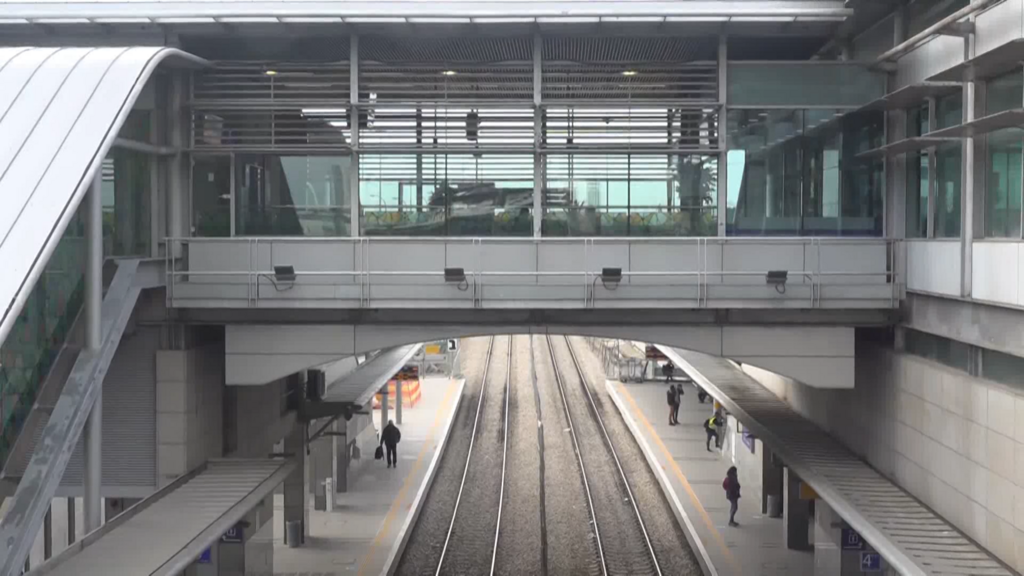
Tel Aviv HaHaganah Central railway station
(Photo: Shahar Goldstein)
Commuters echoed that sentiment. Leon described being stranded when a late-night train was canceled, forcing him to take four buses and spend 3½ hours getting from Tel Aviv to Be'er Sheva — a trip that normally takes 100 minutes by rail. Another trip to a wedding in Netanya took nearly three hours instead of 40 minutes. “It feels like they’re cutting off the south from the center,” he said.
Bus riders are also feeling the strain. Omer Cohen, who travels daily from Hod HaSharon to Ramat Gan, said: “It’s a short trip, but now it usually takes more than an hour. Some buses don’t show up, others arrive overcrowded. You’re always in a roulette of, ‘Will my bus come?’”
He added that his partner in northern Israel has also been affected, with trains to Haifa and the north either overcrowded or canceled, especially on weekends. “For at least two years, trains often haven’t run on Fridays or Saturday nights,” he said.
Cohen criticized Regev as out of touch. “She’s abroad so often she doesn’t see what’s happening here. She doesn’t ride public transport in Israel. In Germany, she sees trains working perfectly, but here, buses work like shared taxis — if you don’t shout to stop them, they skip the station.”