


After the Trump administration barred senior Palestinian Authority and PLO officials, including President Mahmoud Abbas, from receiving U.S. visas, a senior Palestinian official said that Abbas will address the United Nations General Assembly remotely if the session remains in New York. If it is relocated to Geneva, the official said, Abbas will attend in person.
The 80th session of the General Assembly opens Tuesday, but the annual speeches by world leaders — known to most Israelis for the prime minister’s addresses — are not scheduled until about two weeks from now.
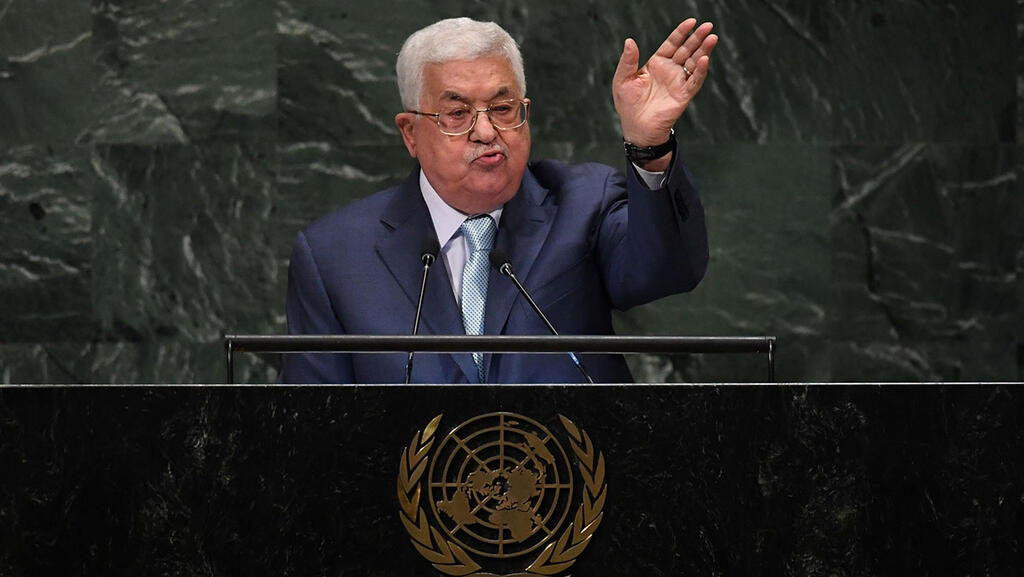
A similar situation occurred in 1988, when then-PLO Chairman Yasser Arafat was denied a U.S. visa. The UN General Assembly session was moved to Geneva, where Arafat delivered his speech. A comparable scenario could play out again, with Abbas resorting to a prerecorded address if the gathering stays in New York.
The U.S. decision was conveyed less than two weeks ago, shortly before the annual forum in which Palestinians traditionally push for unilateral recognition of a Palestinian state. According to a State Department source, visas were denied to 80 Palestinian officials apart from Abbas.
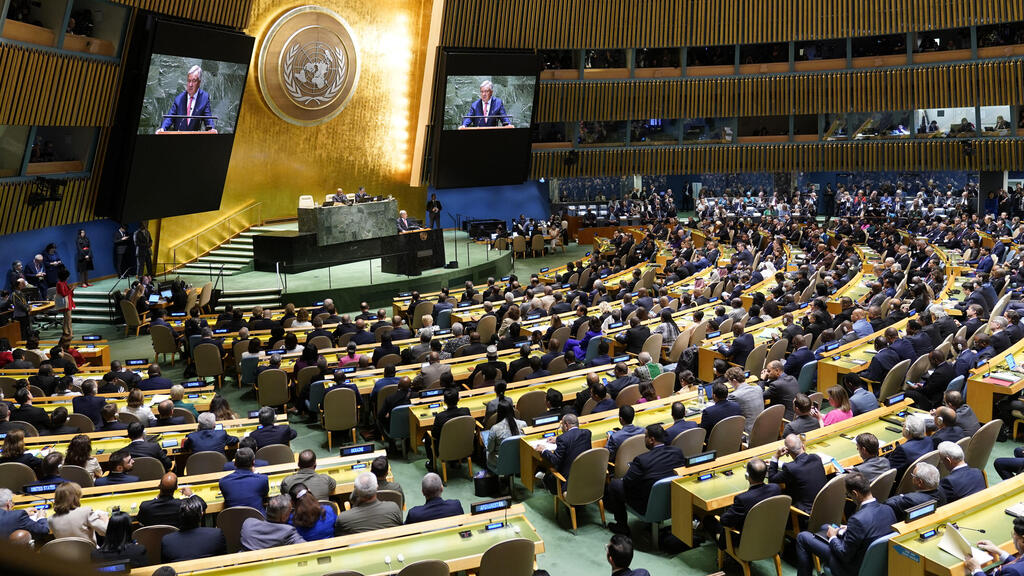
The UN General Assembly in session
(Photo: Mary Altaffer/AP)
In a formal State Department statement, the U.S. said: “Before the PLO and the Palestinian Authority can be considered partners for peace, they must consistently renounce terrorism — including the October 7 massacre — and stop incitement to terror in the education system, as required by U.S. law and as the PLO previously committed.” The statement added that the PA “must also end its attempts to bypass negotiations through legal campaigns at international courts, as well as its efforts to achieve unilateral recognition of a fictional Palestinian state. These steps have directly contributed to Hamas’ refusal to release hostages and to the failure of cease-fire talks in Gaza.”
Palestinian officials said they were surprised by the U.S. move, expressed regret, and emphasized that the decision violates international law and the UN Charter, particularly given Palestine’s observer state status at the UN. Abbas’ office urged the U.S. to reverse its decision and allow the delegation to attend in New York, “in line with its obligations under international law, international legitimacy, and all of its commitments toward peace — as underscored in President Abbas’ letter sent to world leaders, including President Donald Trump.”