

Iran has not yet given final approval to a draft memorandum of understanding with the United States, Iranian state-affiliated Mehr News Agency reported Friday, adding that Tehran's ballistic missile program will not be part of any negotiations.
According to the report, discussions with Washington will focus exclusively on Iran's nuclear program and economic issues, particularly sanctions relief.
Gallery
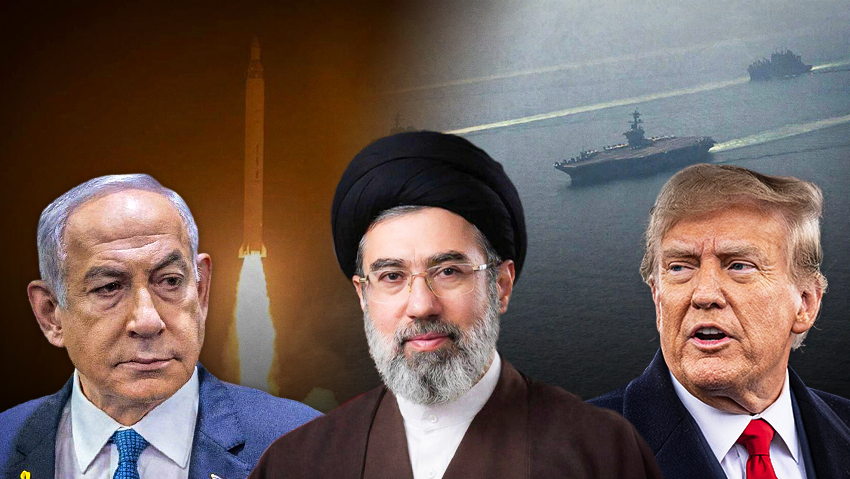
Prime Minister Benjamin Netanyahu, Iranian Supreme Leader Mojtaba Khamenei, US President Donald Trump
(Photo: Chaim Goldberg/Flash90, Lev Radin/Shutterstock)
Mehr published what it said were the 14 points contained in the draft agreement, although the details have not been confirmed by U.S. officials.
Under the reported framework, the war would end immediately and permanently on all fronts, including Lebanon. The United States would commit to respecting Iran's sovereignty and refraining from interference in its internal affairs.
The draft also reportedly calls for the lifting of the maritime blockade within 30 days, the withdrawal of U.S. forces from areas near Iran, and the reopening of the Strait of Hormuz under arrangements coordinated with Tehran.
According to the report, sanctions on Iranian oil, petrochemical products and related exports would be suspended, granting Iran access to its financial resources. The United States and its allies would also commit to presenting plans for rebuilding Iran's economy worth at least $300 billion.
The memorandum would establish a 60-day period of ceasefire and negotiations aimed at reaching a final agreement. During that period, Washington would pledge not to increase its military presence in the region or impose additional sanctions.
Mehr reported that Iran would reaffirm its commitment under the Nuclear Non-Proliferation Treaty not to pursue nuclear weapons. The final agreement, if reached, would focus exclusively on uranium enrichment and enriched material, the removal of sanctions and Iran's economic recovery.
According to the report, discussion of Iran's ballistic missile program and support for allied militant groups across the Middle East has been permanently removed from the agenda.
The draft reportedly includes the release of $24 billion in frozen Iranian assets during the 60-day negotiating period, with half of that amount to be made available before talks begin. It also calls for the establishment of a mechanism to monitor implementation and for any final agreement to receive approval from the UN Security Council.
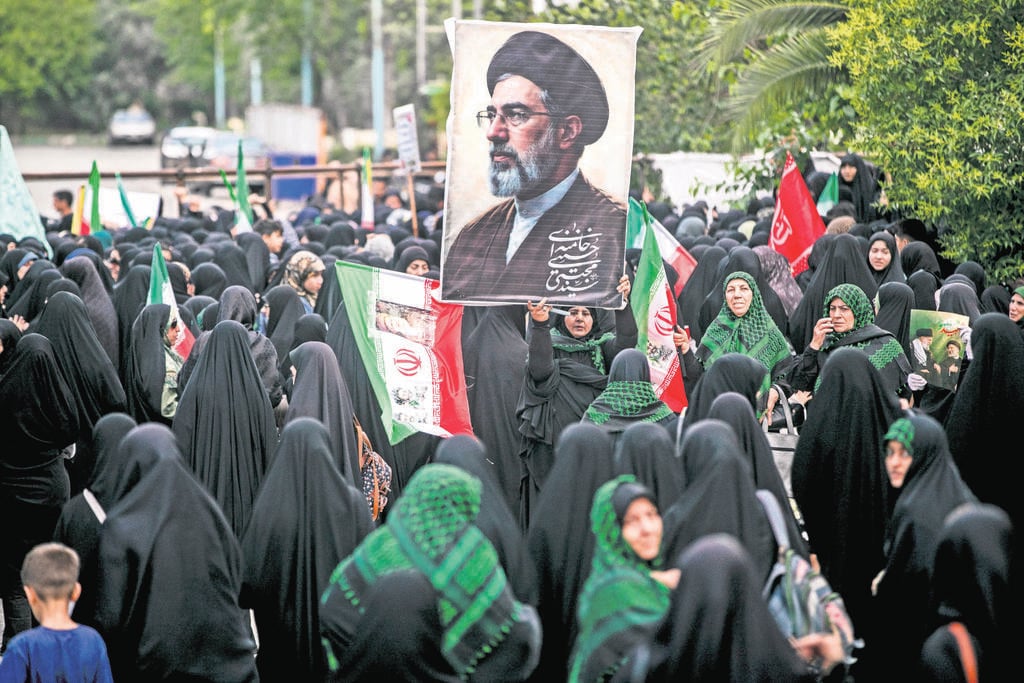
Iranian regime supporters in Tehran
(Photo: Majid Saeedi/Getty Images)
Iranian media said the framework includes reopening the Strait of Hormuz, removing sanctions on Iranian oil exports and unfreezing Iranian assets.
Since the beginning of the conflict, Israeli officials have insisted that any agreement with Tehran must address not only Iran's nuclear activities but also its ballistic missile program and its network of regional proxy groups.
For that reason, Israeli officials have opposed the emerging framework and continue to hope the talks collapse or that Mojtaba Khamenei, the son of Supreme Leader Ayatollah Ali Khamenei, does not approve the deal.
The precise details of the framework remain unclear. Iranian reports claimed Washington backed away from some of its earlier demands, although it remains uncertain whether President Donald Trump maintained his original conditions.
The proposed memorandum would establish a 60-day window for negotiating a comprehensive nuclear agreement, with the possibility of a further 60-day extension. Analysts note that reaching such a deal within that time frame appears unlikely, given that negotiations leading to the 2015 nuclear agreement lasted roughly 18 months.
One of the main sticking points remains how much financial relief Iran will receive. According to information circulating in Israel, a compromise has been reached under which Iran would not receive direct cash transfers but would instead be allowed to purchase food and medicine using funds held by Qatar.
U.S. officials are reportedly insisting that frozen assets will not be released until issues surrounding Iran's stockpiles of enriched uranium are addressed, though that issue itself is expected to be part of future negotiations.
Israeli officials are expected to attempt to influence the talks during the 60-day negotiating period. However, after being caught off guard by the announcement of the framework agreement, it remains unclear whether Israel will have any direct role in the negotiations.