

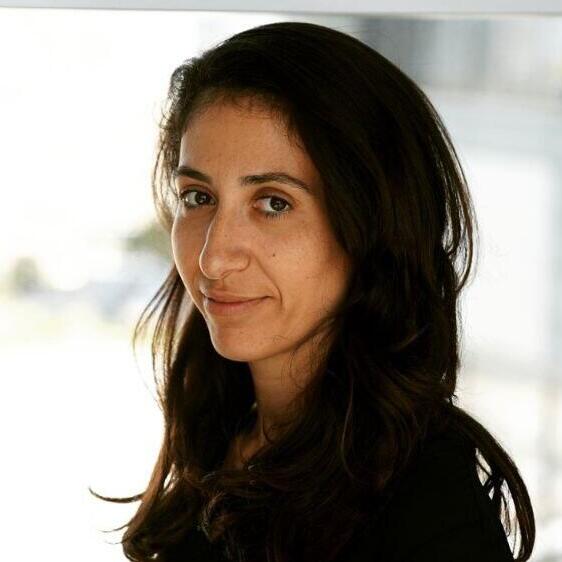
Lebanese doctors succeeded in canceling the planned virtual appearance of prominent Israeli-American surgeon Prof. Sharona Ross at the 27th Lebanese Spring Congress of Surgery, recently held at the Le Royal Hotel in Dbayeh, north of Beirut.
According to the Hezbollah-affiliated Lebanese newspaper Al-Akhbar, the affair reignited debate in Lebanon over the academic and medical boycott of Israel, including whether professional neutrality can be maintained when Israeli participants are invited to Lebanese conferences and institutions.

Prof. Sharona Ross
(Photo: X)
Ross had been scheduled to participate via video link in events organized by the Lebanese Society for General Surgery. Her appearance was canceled after objections reached Lebanese Order of Physicians President Elias Chalhoub and Health Minister Rakan Nassereddine, who serves in the government on behalf of Hezbollah.
The opposition was led by a Lebanese initiative called Boycott/Resistance-Lebanon, which campaigns for a boycott of Israel. The group welcomed the cancellation, saying it reflected adherence to Lebanese law and a rejection of normalization with Israel.
Al-Akhbar also noted that Ross served for two years in the IDF and had previously said in an interview that her military experience helped her build her professional future. The boycott initiative claimed those remarks helped “whitewash the image of the Israeli army and its crimes in Palestine, Lebanon and Syria,” according to the report.
Those opposing Ross’ appearance argued that the issue extended beyond one doctor or a single online presentation. They said it concerned the responsibility of Lebanese medical and academic institutions amid the growth of the international academic boycott movement against Israel.
The group called on the Lebanese Society for General Surgery, universities and medical institutions to scrutinize their programs and guest lists more carefully to prevent similar cases.
According to Al-Akhbar, the cancellation raised a broader question over whether medical institutions can separate professional activity from political and ethical responsibility during wartime.
The boycott initiative’s position was unequivocal: “Medicine cannot be separated from ethics, and Beirut must not become a channel for breaking the isolation of Israeli institutions and figures.”
Lebanon maintains a formal boycott law prohibiting contact with Israelis. Lebanese groups have repeatedly invoked it to demand the exclusion of Israeli individuals, as well as films featuring Israeli actors, from events in the country.
Ross had not responded to the report.