

Amid ongoing hopes for a breakthrough in negotiations for a hostage release deal — and the expectation it will spark public anger because of the release of Palestinian prisoners — Israeli President Isaac Herzog is considering a surprising step in the name of “reconciliation.”
Herzog is leaning toward using his authority on pardons to reduce the sentence of Jewish terrorist Amiram “Ami” Popper, who murdered seven Palestinian workers 35 years ago and is currently due for release in five years. This would only happen if a deal is finalized that frees Palestinian prisoners.
Herzog has not made a final decision, but in recent months the pardon departments in both the President’s Residence and the Justice Ministry reviewed requests from Jewish security prisoners for reduced sentences, arguing that such steps would “balance” the release of Palestinian terrorists in previous prisoner deals.
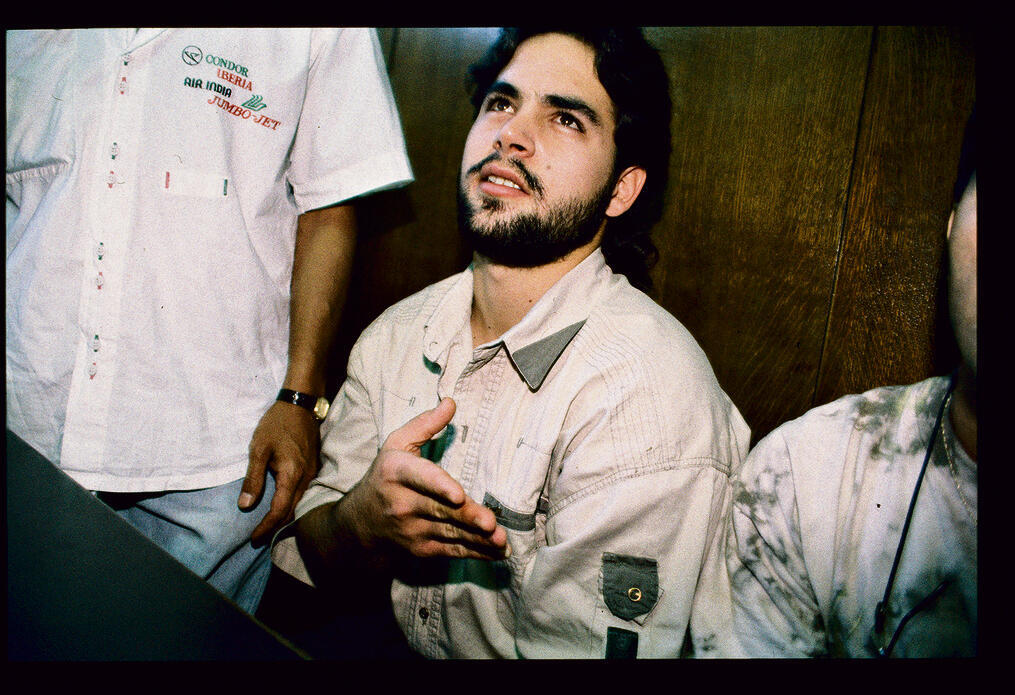
Most names were dismissed, but reducing Popper’s sentence — not a full pardon — emerged as a serious option being weighed by Herzog. It remains unclear by how much his sentence would be shortened, but an immediate release is not being considered. Popper has five more years left, with his sentence scheduled to end in 2030. He was convicted in 1990 of murdering seven Palestinian laborers at the Gan HaVradim junction in Rishon Lezion, after stealing his soldier brother’s weapon and spraying bullets at them.
Popper was initially sentenced to seven life terms, but in 1999, following a recommendation from then-Justice Minister Tzachi Hanegbi, President Ezer Weizman commuted the sentences of seven Jewish security prisoners. Among them were Popper, whose sentence was reduced to 40 years, Yoram Shkolnik, and the Kahalani brothers — all convicted of nationalist murders or attempted murders of Palestinians. At the time, Hanegbi said: “When we ease punishments and release Arab prisoners, we cannot ignore the Jewish prisoners who committed these ‘terrible acts’ amid the violent conflict between us and the Palestinians.”
Based on that precedent, and citing “balance, equality and reconciliation” while Israel continues to free Palestinian prisoners, the right-wing legal aid group Honenu has led a campaign pressing for Popper’s early release. The group, which represents Jewish security prisoners, lobbied ministers, lawmakers and rabbis in an effort to persuade Herzog and Justice Minister Yariv Levin — whose signature is required alongside the president’s for a pardon to take effect.

Ami Popper in Ma'ashiyahu Prison
(Photo: Shaul Golan)
Only last November, the parole board rejected Popper’s request for early release. The state prosecution and the Shin Bet security service opposed it, with Shin Bet warning in an opinion that his early release could inspire copycat attacks and encourage other extremists to act violently. Popper’s lawyers argued at the hearing that he leaves prison daily for work and returns in the evening, that he is socially integrated, and that he has claimed he was sexually assaulted by a Palestinian worker prior to the murders.
During one prison furlough, Popper’s first wife, Sarah Goldberg, and their son Shimshon were killed in a car accident while he was driving without a valid license. He was later convicted in a plea deal and sentenced to six months in prison, added to his existing sentence.
The President’s Office said in response: “The President’s Residence received a request for a sentence reduction based on the precedent set by President Ezer Weizman concerning the release of prisoners in past hostage deals. It should be emphasized that no decision has been made. The issue will be discussed only if a hostage deal is reached, which is undoubtedly an important and noble goal. Any decision will be made only after the president receives all relevant opinions from the appropriate authorities, in accordance with established procedures.”
Justice Minister Levin’s office did not respond to a request for comment.