

Police arrested 17 suspects, including Kfar Saba Mayor Rafi Saar, his wife and the CEO of the city's municipal economic development company, and detained seven others for questioning Monday in a sweeping corruption investigation involving alleged cash bribes, rigged tenders and ties to criminal figures. Officers from Lahav 433, Israel's national major crimes investigation unit, raided approximately 30 locations, including municipal offices, as an undercover investigation lasting nearly a year and a half became public.
Investigators suspect Saar and his wife promoted the interests of associates and businesspeople, including known criminal figures, in exchange for cash payments, helping them secure lucrative municipal contracts and projects. "The city was sold, nothing less than that," a source in the National Fraud Investigations Unit said, describing the suspected scale of the corruption.
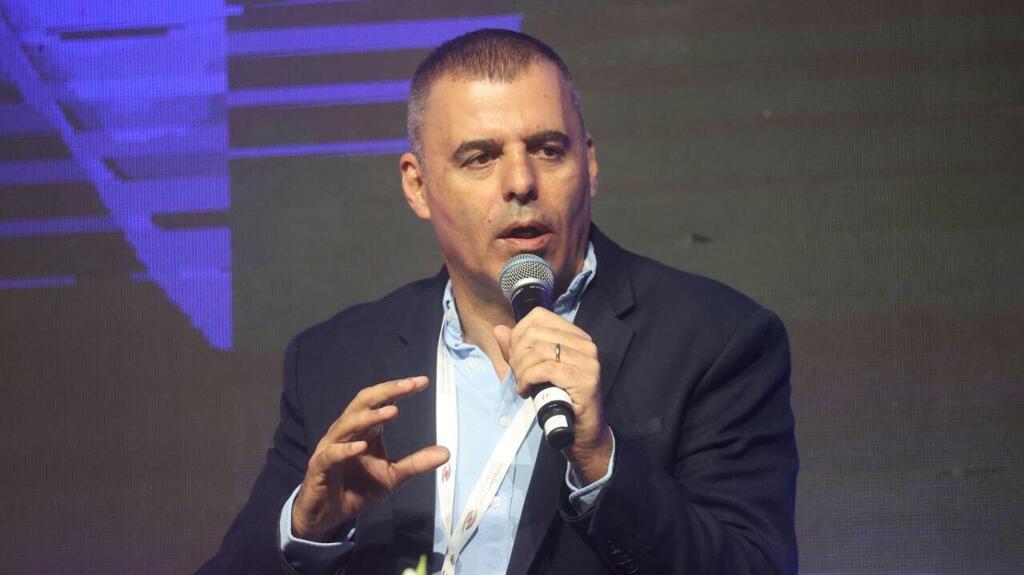
Kfar Saba Mayor Rafi Saar
(Photo: Moti Kimchi)
Officials from the National Fraud Investigations Unit, part of Lahav 433, said the undercover investigation began in May 2025 after police received dozens of intelligence reports pointing to suspected widespread corruption at Kfar Saba City Hall, allegedly involving the mayor and his wife directly. According to investigators, although Saar's wife holds no official public position, she played a dominant and central role in the alleged scheme. "He is an elected official, she has no public standing, but she has a hand in everything," officials said.
During the covert investigation, detectives employed various investigative methods to substantiate their suspicions. According to information gathered, the couple allegedly worked to channel municipal tenders, properties and projects to associates, businesspeople and individuals with financial interests, some of whom are known to police as criminals. In return, investigators suspect Saar's wife received bundles of cash from those individuals, with whom she maintained direct contact.
The suspected method was straightforward: Businesspeople would approach the mayor's wife, establish a quid pro quo arrangement, and she would allegedly work to ensure they won municipal tenders and projects.
Police suspect that, to conceal preferential treatment of certain businesspeople and the alleged manipulation of tenders, projects were transferred from Kfar Saba City Hall to the municipal economic development company. Investigators believe the couple coordinated with the company's CEO, who allegedly knew in advance which bidder was supposed to win each tender brought before him.
Sources familiar with the investigation said detectives were surprised to discover that, in some cases, obstacles had allegedly been placed in the way of competing bidders until they were forced to withdraw. The projects were then allegedly awarded to businesspeople whose connections with the couple were suspected of benefiting them.
The allegations span nearly every area of municipal activity, including renovations of educational institutions, the placement of food trucks, the opening of businesses, the development of leisure and entertainment complexes, sports projects, transportation, traffic lights, street lighting and municipal cleaning services.
Another major element of the investigation concerns the couple's lifestyle and their allegedly extensive use of cash. According to National Fraud Investigations Unit officials, Saar and his wife maintained a lavish lifestyle, with numerous expenses paid in cash, including overseas travel, jewelry, clothing and handbags.
During police searches, investigators seized expensive jewelry and luxury watches, along with evidence of overseas flights and purchases. During the couple's most recent return from overseas, customs officials found 20,000 shekels in cash in Saar's wife's possession at Ben Gurion Airport, and she was questioned by customs authorities.
The couple also owned vehicles described by investigators as considerably more expensive than average. Saar drives a privately owned Tesla, while his wife recently purchased a new Audi.
"We are not investigating a technical violation involving the use of cash. If that were the issue, we would find a great many offenses of that kind," investigators explained, emphasizing that the cash transactions were being examined as part of the suspected bribery scheme.
During the police raids and searches, investigators discovered large quantities of cash, packaged and concealed in locations where detectives had anticipated finding it.
Investigators also revealed that Saar and his wife had grown increasingly concerned about the possibility that they were under surveillance. According to a source in the National Fraud Investigations Unit, rumors about the mayor's wife's influence over municipal affairs had circulated for some time, including reports in local newspapers suggesting that she effectively held the keys to running Kfar Saba.
The couple allegedly carried out technical checks to determine what surveillance methods might be used against them. Throughout the undercover investigation, they reportedly feared they were being monitored and investigated covertly.
"They had serious suspicions," the police source said. "There was a great deal of talk about the mayor's wife holding the key to running the city, and reports appeared in local newspapers. They conducted technical checks concerning measures that could be used against them. Throughout the investigation, they feared they were being monitored and investigated covertly. It sounded as though they believed they were the subject of a journalistic investigation, and they checked for devices that might have been installed but found nothing. Even so, their desire and sense of gratification blinded them."
Another line of investigation concerns suspected ties between Saar, his wife and criminal figures operating in the Sharon region. According to intelligence obtained by police, individuals known to the Israel Police's Central District for criminal activity allegedly helped Saar during the local election campaign.
Investigators suspect those individuals pressured political candidates running against Saar in an effort to influence the election. Police are examining the nature of the relationships between the criminal figures and the couple, as well as suspicions that those same individuals subsequently exerted pressure on the mayor and his wife.
The investigation centers on suspected bribery, fraud and breach of trust, with suspected money laundering and tax offenses also under examination. Among those arrested are businesspeople and individuals, some of whom are known to police for criminal activity. According to investigators, the common factor linking the suspects is their alleged involvement in quid pro quo arrangements in which financial interests were advanced in exchange for benefits.
Police said the investigation remains ongoing, with detectives examining the full scope of the suspected offenses and the alleged role of each individual involved. The case is being overseen by the Economic Department of the State Attorney's Office. Investigators are expected to seek extensions of detention for suspects where necessary at the Rishon LeZion Magistrate's Court.