

Rishon LeZion is considering charging nonresidents NIS 150 a day to park near its beaches on Fridays and Saturdays, in an effort to deter visitors from other cities and ease severe weekend congestion along the city’s limited coastline.
Deputy Mayor Idan Mizrahi submitted the proposal to the City Council, which is due to convene in early September. Under the plan, Rishon LeZion residents would continue to park free of charge at municipal beach parking lots, while visitors from outside the city would pay the steep daily rate.
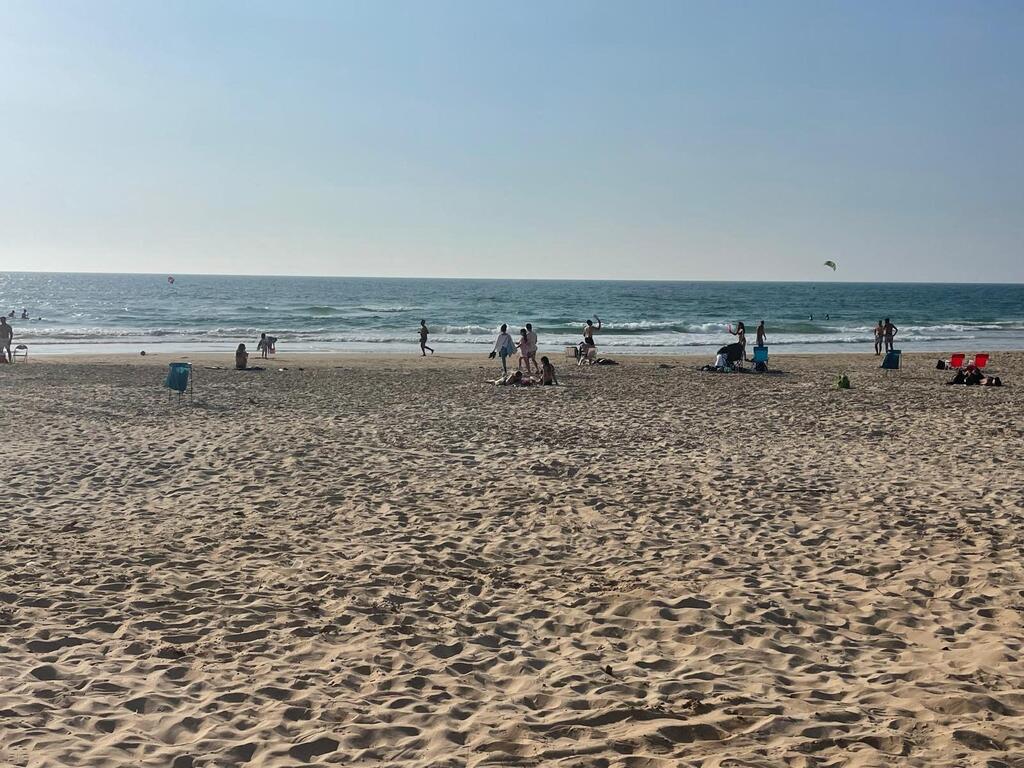
The proposal is aimed at effectively reserving more beach access for local residents during the busiest days of the week. Rishon LeZion has a relatively short stretch of coastline that struggles to accommodate the tens of thousands of people who arrive on weekends. On many Saturdays, the municipality issues notices by around 11 a.m. asking motorists not to drive to the beach because the parking lots are already full.
Mizrahi, who serves as deputy to Mayor Raz Kinstlich and belongs to his political faction, said the goal was straightforward. “The purpose of my proposal is to give the beach back to the residents of Rishon LeZion,” he said.
The proposal is considered relatively likely to win City Council support because of Mizrahi’s position in the mayor’s coalition.
Mizrahi himself described the proposed NIS 150 fee as “crazy,” saying that was precisely the point: to encourage residents of other central Israeli cities to choose a different beach. Rishon LeZion’s shore is particularly accessible by car, with both Route 431 and the Ayalon Highway connecting through the Moshe Dayan interchange to the road leading to the beach.
“Today I submitted my proposal to the City Council following the traffic congestion in the beach parking lots on weekends,” Mizrahi said. “Under the proposal, Rishon LeZion residents will continue to enjoy free parking at the beach, while nonresidents will pay a daily rate of NIS 150.”
He said the measure was intended “to make things easier for city residents, reduce congestion and prolonged parking by visitors from outside the city, and restore and expand the ability of Rishon LeZion residents to enjoy their beach.”
“I believe in a simple principle: the poor of your own city come first,” Mizrahi added, invoking the traditional Hebrew expression used to argue that local residents should receive priority.
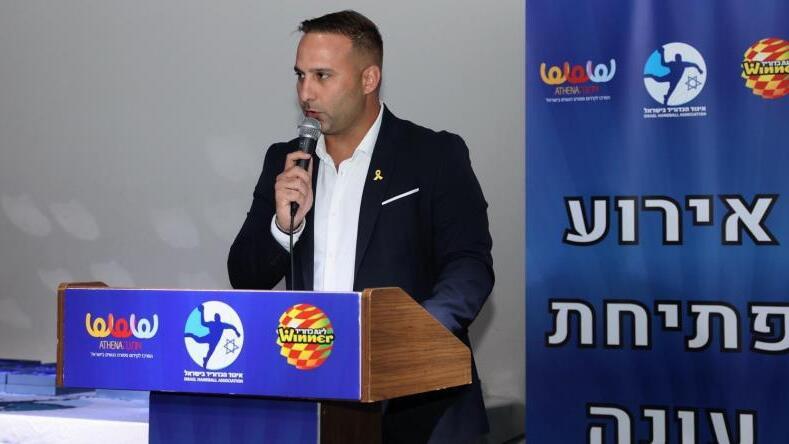
Deputy Mayor Idan Mizrahi
(Photo: Hadar Van Kola, Israel Handball Association)
“When it comes to a limited municipal resource such as the beach, Rishon LeZion residents should have clear priority,” he said. “I will work together with Mayor Raz Kinstlich so that the proposal is approved at the next City Council meeting and so that we can say simply: We are giving the beach back to the residents.”
The proposal could, however, face opposition from environmental or public-access groups. Beaches are generally regarded as a public resource rather than one belonging exclusively to residents of the municipality in which they are located, and the proposed price is explicitly intended to discourage people from reaching the sea simply because they live elsewhere.
The lack of public transportation on Saturdays could add to the controversy. For many visitors, a private vehicle is the only practical way to reach the beach, meaning a NIS 150 parking charge could make a few hours by the sea prohibitively expensive for people coming from outside Rishon LeZion.