


Iran has moved its remaining nuclear scientists into secure locations following the assassination of more than 30 researchers by Israel as part of Operation Rising Lion, UK-based outlet The Telegraph reported Saturday.
According to the British daily, most of the surviving scientists are no longer living at home or teaching at universities. Instead, they and their families have been relocated to safe houses in Tehran or to villas in northern coastal cities. “Those who were teaching at universities are replaced with people who have no connection with the nuclear programme,” a senior Iranian official told the outlet.
The Telegraph said it has seen the names of more than 15 of these scientists on a list of roughly 100 people in Israeli possession. Israel reportedly believes they must now decide whether to continue their work—and risk being targeted—or change careers altogether.
The report noted the heightened concerns in Iran following the execution of Roozbeh Vadi, a nuclear scientist accused of passing information to Israel during the June 12-day war. Vadi was hanged on Wednesday after being accused of facilitating the assassinations of colleagues.
Israeli experts told the paper a new generation of Iranian scientists has already stepped into the roles of those killed, describing them as “dead men walking.” Ronen Solomon, an Israeli intelligence and defense analyst, said the remaining figures are involved in adapting Shahab-3 missiles for nuclear warheads, making them “equally strategic targets for Israel.”
The Telegraph reported that Israeli strikes in June also hit Shahid Beheshti University and Imam Hossein University in Tehran, both tied to Iran’s military and nuclear programs. Israel believes some of the surviving scientists are now working at the Organisation of Defensive Innovation and Research (SPND) on projects involving explosives, neutron physics and warhead design.
Get the Ynetnews app on your smartphone: Google Play: https://bit.ly/4eJ37pE | Apple App Store: https://bit.ly/3ZL7iNv
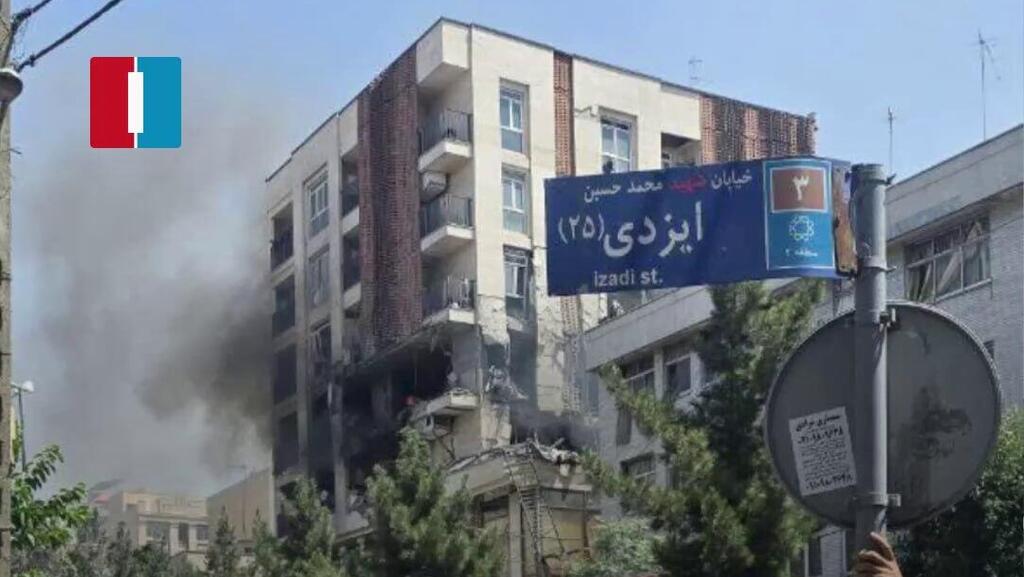
Israeli strike on nuclear scientist in Tehran
Danny Citrinowicz, former head of the Iranian strategic desk in Israel's Military Intelligence, told the paper, “Any scientist that deals with the nuclear issue will be eliminated or will be threatened with elimination.”
The June war saw the U.S. strike Iranian nuclear facilities with bunker-busting bombs, prompting Iran to retaliate with missile fire on Israel. Since then, Tehran has overhauled its protection for scientists, shifting from a single Revolutionary Guard unit to multiple security agencies. “They were all asked if they still trust their bodyguards—some said no and were provided with new ones,” the Iranian official said.
The killings have fueled domestic calls to abandon Iran’s official stance against nuclear weapons. Seyed Alireza Sadighi Saber, whose brother Mohammad Reza Sadighi Saber was killed alongside his family in Israeli strikes, urged Tehran to withdraw from the Nuclear Non-Proliferation Treaty. “If Iran had the will to build nuclear weapons, it would certainly have achieved it within two years,” he said.
The June 13 strikes reportedly wiped out decades of expertise, killing scientists and researchers in nuclear physics and radiopharmaceuticals, including Amir Hossein Faghi, a leading figure in cancer-treatment research using nuclear technology. Iran denies it is pursuing nuclear weapons, insisting its program is for civilian purposes. Israel, however, has signaled it will continue targeting any figures tied to the program.
First published: 18:22, 08.09.25